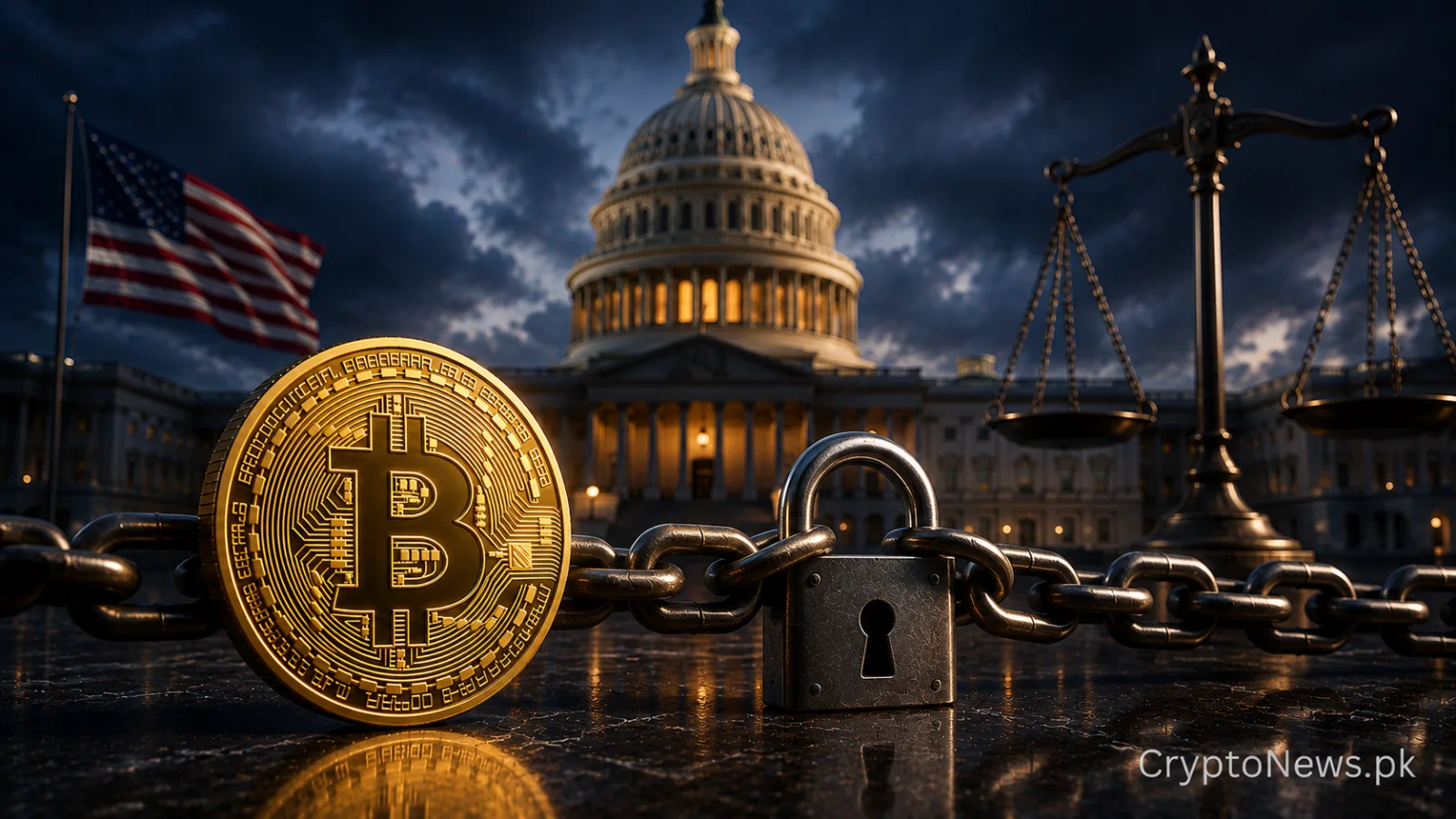
Legislative Gridlock in Washington
As of early August, the United States Senate remains deadlocked over the Crypto Clarity Act, a landmark piece of legislation intended to establish a comprehensive market structure for digital assets. According to Bitcoin Magazine, Republican lawmakers are actively urging their colleagues to expedite the bill before the upcoming August 7 recess. However, the path forward appears increasingly narrow as the legislative window closes.
Partisan Standoff Over Cloture
The primary obstacle facing the bill is a planned move by Senate Democrats to deny cloture, a procedural maneuver that would effectively block the bill from advancing to a final vote. Reports from Punchbowl News indicate that the bill currently lacks the necessary 60 votes required to bypass a filibuster. According to Bitcoin.com News, the opposition is largely rooted in stalled ethics negotiations, with some lawmakers suggesting that there is no visible progress on the underlying political disputes hindering the process.
Implications for Market Structure
The Crypto Clarity Act is viewed by industry proponents as a critical step toward providing legal certainty for crypto businesses operating within the United States. By defining the roles of the Securities and Exchange Commission and the Commodity Futures Trading Commission, the bill aims to reduce the regulatory ambiguity that has plagued the sector for years. Supporters argue that without this legislation, the US risks falling behind global jurisdictions that have already implemented clear frameworks for digital asset classification.
The Pakistan Perspective
For Pakistani crypto holders, the legislative stalemate in the United States carries indirect but significant weight. As the US market dictates global sentiment and sets regulatory standards that often influence international policy, the delay in clarity can contribute to continued market volatility. While the Federal Board of Revenue and the State Bank of Pakistan maintain their own cautious stance on digital assets, local investors should monitor these US developments as they often precede shifts in global exchange compliance policies. Pakistani users of international exchanges may find that their access to certain services remains tied to how US-based firms navigate these evolving legal landscapes. Currently, there is no direct impact from this specific bill on local Pakistani crypto taxation or the ongoing PVARA discussions, but the lack of global consensus keeps the local regulatory environment in a state of watchful waiting.
Looking Ahead
With only days remaining before the Senate enters its recess, the window for passing the bill during this session is rapidly shrinking. If the legislation fails to gain traction now, it will likely be pushed into the next legislative cycle, leaving the digital asset industry to navigate another period of regulatory uncertainty. Stakeholders remain divided on whether a compromise can be reached in the final hours, or if the bill will remain stalled until after the recess concludes.