The Core Allegations
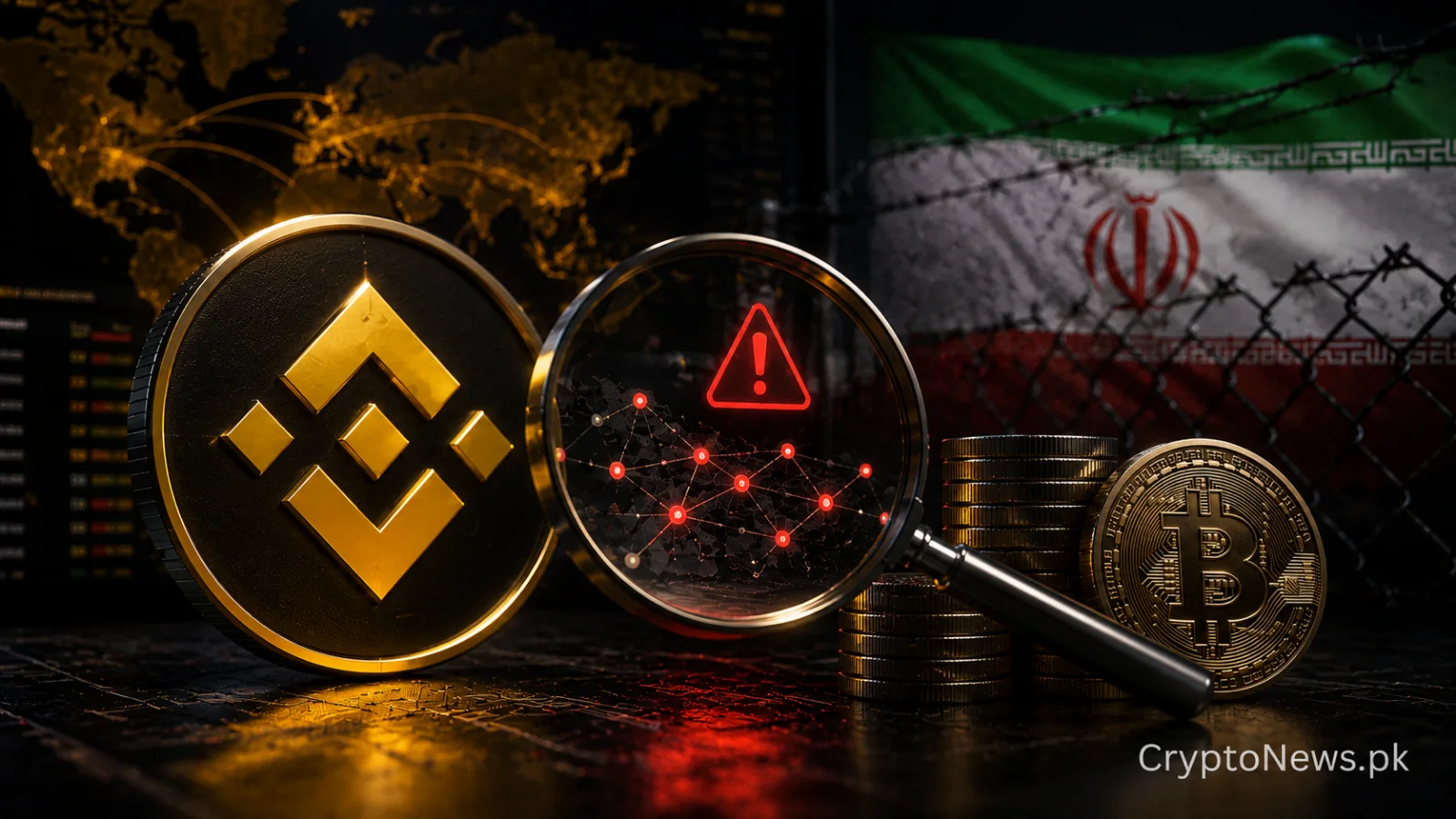
An investigative report by Reuters has brought fresh scrutiny to the world of global cryptocurrency exchanges, alleging that approximately $676 million in funds linked to Iranian entities flowed through Binance. The report suggests that these transactions occurred despite strict international sanctions designed to isolate the Iranian financial sector from the global economy.
According to the investigation, the funds were primarily processed through Iranian front companies that utilized the exchange to facilitate cross-border movements. This development has sparked renewed conversations regarding the efficacy of anti-money laundering and know-your-customer protocols within centralized digital asset platforms.
Global Regulatory Pressure
Binance has consistently maintained that it adheres to international sanctions laws and works closely with global law enforcement agencies to prevent illicit activity. In response to the findings, the exchange stated that it maintains a rigorous compliance program and continues to update its systems to identify and mitigate risks associated with sanctioned jurisdictions.
Regulators worldwide have been increasing their oversight of crypto exchanges to ensure they do not become conduits for sanctioned capital. The Reuters report highlights the ongoing tension between the decentralized nature of blockchain technology and the centralized regulatory requirements imposed by national governments on major service providers.
Impact on the Pakistani Crypto Community
For Pakistani crypto holders, this news serves as a reminder of the importance of platform transparency and regulatory compliance. As the local market continues to mature under the watchful eye of the State Bank of Pakistan and the Federal Board of Revenue, users are increasingly encouraged to utilize platforms that prioritize robust identity verification and regulatory alignment.
While this report focuses on international sanctions, it underscores why Pakistani investors should remain vigilant regarding the platforms they choose. As the regulatory landscape in Pakistan evolves, local users should prioritize exchanges that are proactive in their compliance efforts to avoid potential account freezes or legal complications arising from global enforcement actions.
Navigating Future Compliance
The broader implications of this report suggest that the era of loosely regulated crypto trading is coming to an end. As international bodies put more pressure on exchanges to enforce sanctions, users in emerging markets like Pakistan may see changes in how they access global liquidity pools.
Maintaining a focus on secure and compliant platforms remains the best strategy for local traders. Investors should keep an eye on how these global investigations influence the operational policies of major exchanges, as these shifts often result in stricter requirements for international account holders.