The Surge in Sophisticated Phishing
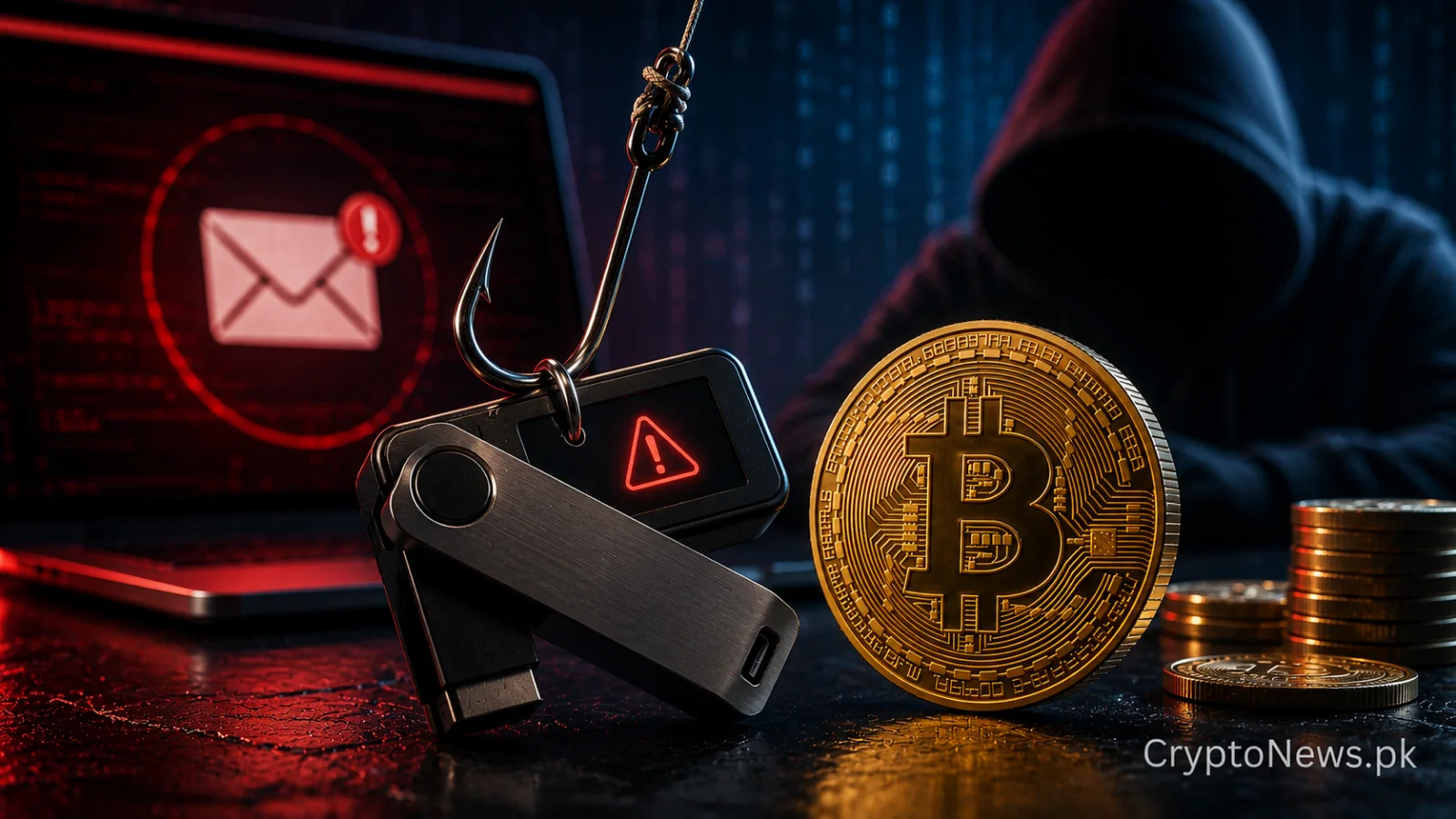
Security researchers have identified a coordinated phishing campaign that specifically targets owners of Coldcard hardware wallets. According to reports from Decrypt, attackers are sending fraudulent emails that claim to be part of a mandatory hardware security audit. These messages direct unsuspecting users to a sophisticated, cloned version of the official Coldcard website.
Once on the malicious site, users are prompted to download software that purports to be a necessary update or security patch. In reality, this software installs remote access tools that allow attackers to compromise the user's private keys and drain their digital asset holdings. The scale of these losses is significant, with industry estimates suggesting that related scams have resulted in nearly $130 million in total losses.
Protecting Your Digital Assets
Hardware wallets are generally considered one of the safest ways to store cryptocurrency because they keep private keys offline. However, these devices are not immune to social engineering attacks that trick users into compromising their own security. Security experts emphasize that hardware wallet manufacturers will never ask users to input their seed phrases or download remote access software via email links.
Users are advised to verify all communications by navigating directly to the official manufacturer website rather than clicking links provided in unsolicited emails. Enabling multi-signature requirements and utilizing air-gapped signing methods can provide additional layers of protection against these types of remote access exploits. Always ensure that the firmware update process is conducted through the official, verified desktop application provided by the manufacturer.
The Pakistan Context
For Pakistani cryptocurrency holders, this surge in phishing highlights the critical need for heightened digital hygiene. While local exchanges like Binance or OKX are commonly used for trading, many long-term investors in Pakistan have moved their assets to cold storage to mitigate risks associated with platform insolvency. However, the lack of local support offices for international hardware wallet manufacturers means that Pakistani users are often left to navigate these technical threats without localized assistance.
Furthermore, as the Federal Board of Revenue (FBR) continues to monitor digital asset activity, the loss of funds through phishing scams presents a complex tax reporting challenge. If a user loses their assets to a scam, they may struggle to claim these losses as tax-deductible events under current Pakistani financial regulations. It is essential for local investors to prioritize self-custody security, as there is currently no local legal framework to recover assets lost to international phishing syndicates.
Maintaining Vigilance
Staying informed about the latest attack vectors is a fundamental responsibility for anyone managing their own crypto keys. As scammers become more adept at mimicking legitimate corporate communications, the burden of security rests entirely on the individual user. By maintaining a skeptical approach to all unsolicited correspondence, Pakistani investors can better safeguard their digital wealth against these evolving global threats.
Takeaway: Pakistani crypto holders must treat all unsolicited emails regarding hardware wallet updates as potential scams and should only interact with official manufacturer websites to secure their assets.