The Current State of Stablecoin Integration
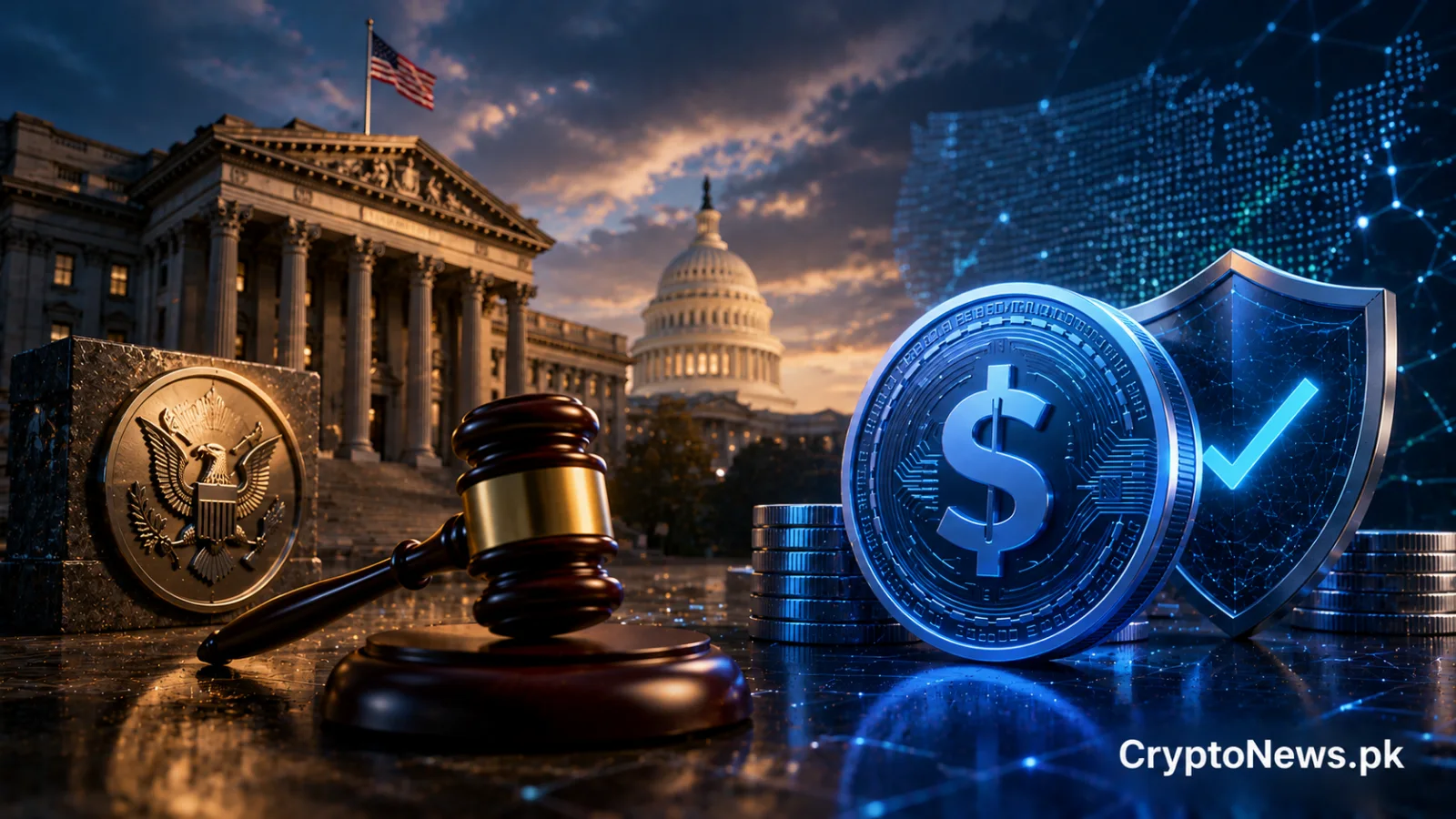
A recent report published by the World Trade Organization (WTO) has identified regulatory fragmentation as the primary obstacle preventing stablecoins from achieving widespread adoption in international finance. According to the WTO, stablecoins currently account for only 3% of global payments, despite their potential to significantly reduce friction in cross-border trade settlements. The organization noted that while these digital assets offer faster transaction speeds and lower costs compared to traditional banking systems, the lack of a unified global framework creates uncertainty for financial institutions.
Challenges in Global Compliance
The WTO emphasizes that the diversity of national approaches to digital asset oversight creates a complex environment for businesses. When countries implement vastly different compliance standards, it becomes difficult for multinational corporations to integrate stablecoins into their supply chain finance operations. The report suggests that without a harmonized approach, the efficiency gains promised by blockchain technology remain largely theoretical for most global trade participants.
Potential for Trade Finance Efficiency
Despite the current limitations, the WTO acknowledges that stablecoins could serve as a vital tool for improving trade finance accessibility. By reducing the reliance on traditional intermediary banks, stablecoins could theoretically lower the barriers for small and medium enterprises that often struggle with high transaction fees. The organization suggests that if regulators can align their policies, the technology could play a transformative role in digitizing global trade documentation and payment processes.
The Pakistan Angle: Remittances and Regulatory Clarity
For Pakistani crypto holders, the WTO findings underscore the ongoing challenges regarding the local adoption of stablecoins. While many Pakistanis utilize stablecoins as a hedge against currency volatility or as a tool for international remittances, the absence of a clear regulatory framework in Pakistan remains a significant hurdle. The Federal Board of Revenue (FBR) and other financial authorities continue to monitor digital asset activity, but the lack of formal integration with the banking sector means that stablecoin usage remains largely confined to peer-to-peer (P2P) platforms. As international standards evolve, Pakistani users should remain aware that global regulatory shifts could eventually influence how local exchanges operate and how digital assets are treated under national law.
Future Outlook for Digital Assets
The WTO report concludes that the future of stablecoins in international trade depends heavily on the willingness of central banks and international regulators to collaborate. While the technology is ready for large-scale deployment, the legal infrastructure is currently lagging behind. Stakeholders are now looking toward international forums to establish common definitions and compliance standards that could bridge the gap between innovation and institutional adoption.
For the Pakistani reader, the global trend toward regulatory harmonization suggests that stablecoin utility will remain restricted until domestic policy catches up with international standards.