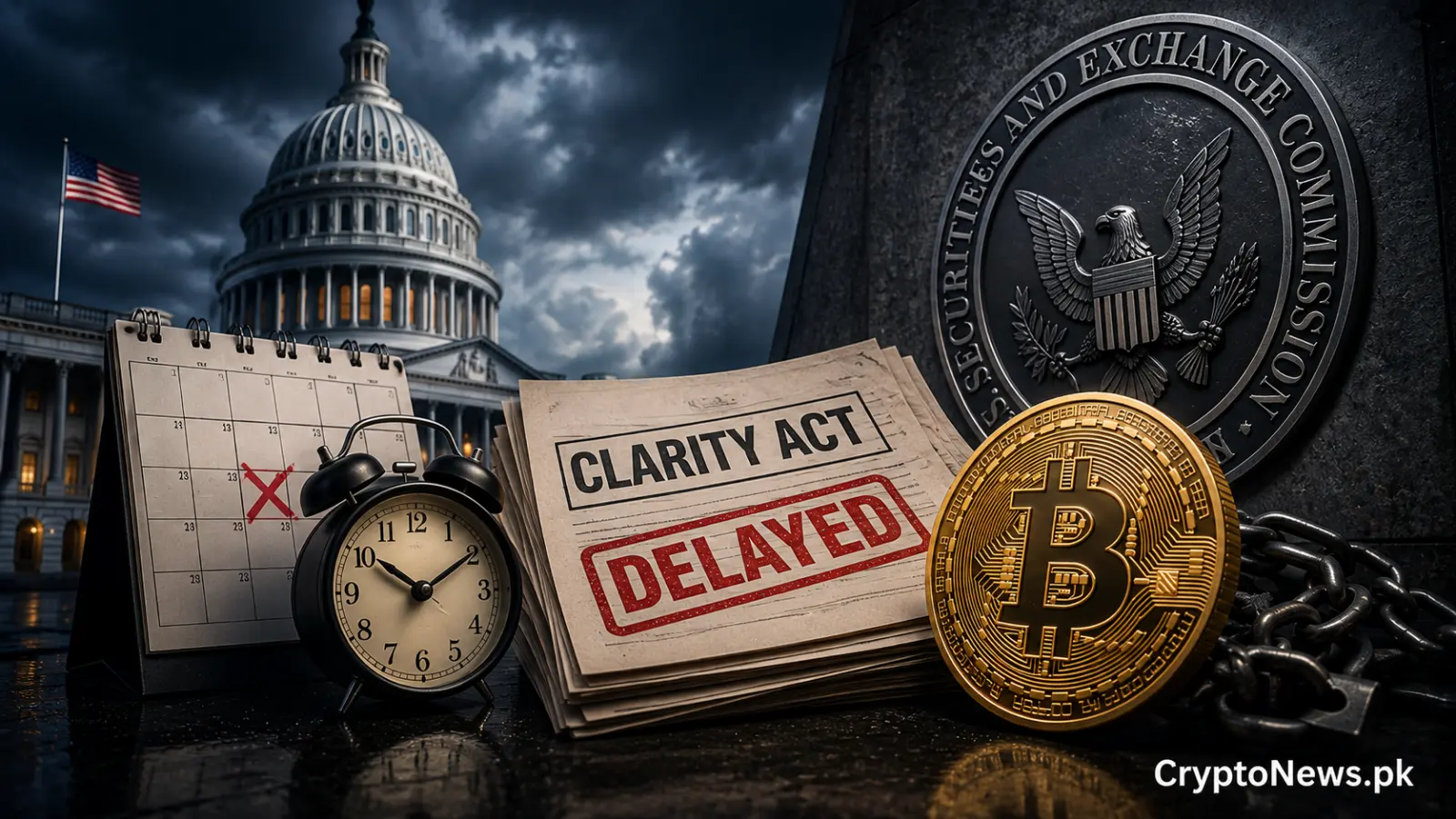
Legislative Standoff in Washington
U.S. Senator Cynthia Lummis, a prominent advocate for digital asset integration, recently stated that she has reached a limit regarding further revisions to the Lummis-Gillibrand Responsible Financial Innovation Act. Having worked on this comprehensive market structure bill for over five years, the Senator noted that she is no longer willing to accommodate additional requests from Democratic negotiators for more changes.
According to CoinDesk, the legislative process has been characterized by a back and forth exchange between proponents of the bill and those seeking stricter oversight or different structural requirements. Senator Lummis indicated that the current iteration of the bill reflects years of compromise and technical feedback from industry experts and regulatory bodies. The impasse highlights the broader difficulty of achieving bipartisan consensus on digital asset governance in the United States.
The Complexity of Market Structure
The proposed legislation aims to provide a clear regulatory path for digital assets, distinguishing between commodities and securities. By defining the roles of the Commodity Futures Trading Commission and the Securities and Exchange Commission, the bill seeks to offer legal certainty to market participants. However, the disagreement persists over how these agencies should divide authority in a rapidly evolving technological landscape.
Market observers suggest that the lack of a unified legislative framework continues to influence global sentiment toward digital assets. Without a clear signal from the United States, international markets often face uncertainty regarding compliance standards and institutional adoption. The stalled progress in Washington serves as a reminder that comprehensive crypto regulation remains one of the most debated topics in current financial policy.
Implications for Pakistani Crypto Holders
For Pakistani investors, the legislative developments in the United States hold indirect but significant weight. As the U.S. market often dictates global price trends and institutional interest, any delay in regulatory clarity can contribute to continued market volatility. Pakistani holders should remain aware that international regulatory shifts often influence the global liquidity of major assets like Bitcoin.
Furthermore, while the Lummis-Gillibrand bill is a domestic U.S. matter, its passage or failure could influence how global exchanges operating in Pakistan adjust their own compliance protocols. Pakistani users are encouraged to monitor local updates from the Federal Board of Revenue and the State Bank of Pakistan regarding digital asset policies, as these local regulatory stances remain the primary factor for domestic operations. Currently, there is no direct impact on Pakistani remittances or local exchange access stemming from this specific U.S. legislative stalemate.
Looking Ahead
The future of the Lummis-Gillibrand Act remains uncertain as the legislative window narrows. Whether the bill can move forward without further concessions remains a point of contention among lawmakers. As the global crypto industry watches the U.S. Congress, the focus remains on whether a compromise can be reached to provide the long-awaited regulatory clarity for digital asset markets.
Pakistani crypto investors should prioritize monitoring local regulatory announcements from the SBP and FBR, as these will have a more direct impact on their ability to trade and store digital assets than current legislative delays in the United States.