Regulatory Action Against Crypto Networks
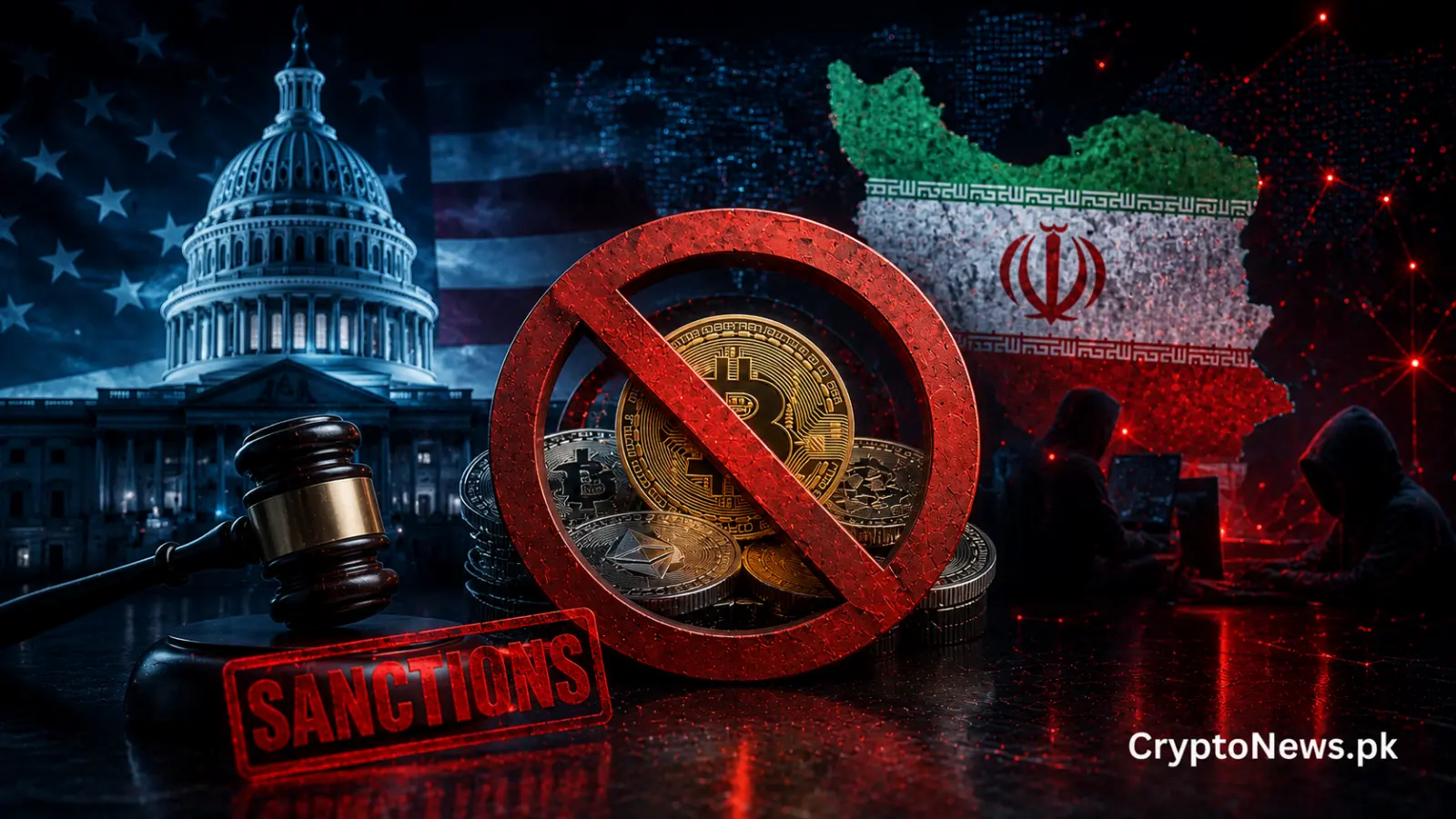
The United States Treasury Department, through its Office of Foreign Assets Control (OFAC), officially sanctioned two entities, Shelbit and Aban Tether, on November 20, 2024. According to reports from Reuters, these entities are accused of facilitating cryptocurrency laundering operations on behalf of the Iranian Revolutionary Guard Corps (IRGC). This move follows a series of heightened tensions in the Strait of Hormuz, where the US government has sought to restrict the financial channels used by Iranian-affiliated groups.
The Role of Tether in Sanctioned Operations
Aban Tether, a platform involved in the exchange of digital assets, has been identified by US authorities as a critical node for converting Iranian rials into Tether (USDT). By utilizing stablecoins, these networks allegedly circumvent traditional banking sanctions that prevent Iran from accessing global financial markets. The Treasury claims that these digital asset flows provide the IRGC with the necessary liquidity to fund activities that the US government deems destabilizing to regional security.
Implications for Global Compliance
The designation of these entities signals a continued shift toward stricter oversight of centralized and decentralized crypto exchanges that operate within sanctioned jurisdictions. Reuters reported that these actions are part of a broader effort to disrupt the financial infrastructure supporting the IRGC. For global exchanges, this development underscores the increasing necessity of robust Know Your Customer (KYC) and Anti-Money Laundering (AML) protocols to prevent the accidental processing of funds linked to designated terrorist organizations or sanctioned states.
The Pakistan Angle: Local Impact and Compliance
For Pakistani cryptocurrency users, these sanctions serve as a reminder of the importance of using regulated and transparent platforms. While these specific entities are not major players in the Pakistani retail market, the broader crackdown highlights the risks associated with peer-to-peer (P2P) trading on platforms that lack stringent oversight. Pakistani investors should be aware that interacting with entities flagged by international bodies like OFAC can lead to frozen assets or account closures on reputable exchanges. Furthermore, the Federal Board of Revenue (FBR) and the State Bank of Pakistan continue to monitor digital asset flows, and users should ensure their activities remain compliant with local guidelines to avoid potential legal complications regarding remittance and foreign exchange laws.
Conclusion for Local Investors
As international regulatory pressure on crypto-based money laundering intensifies, Pakistani traders must prioritize security and compliance by utilizing verified exchanges that adhere to international financial standards.