Regulatory Action Against Iranian Digital Assets
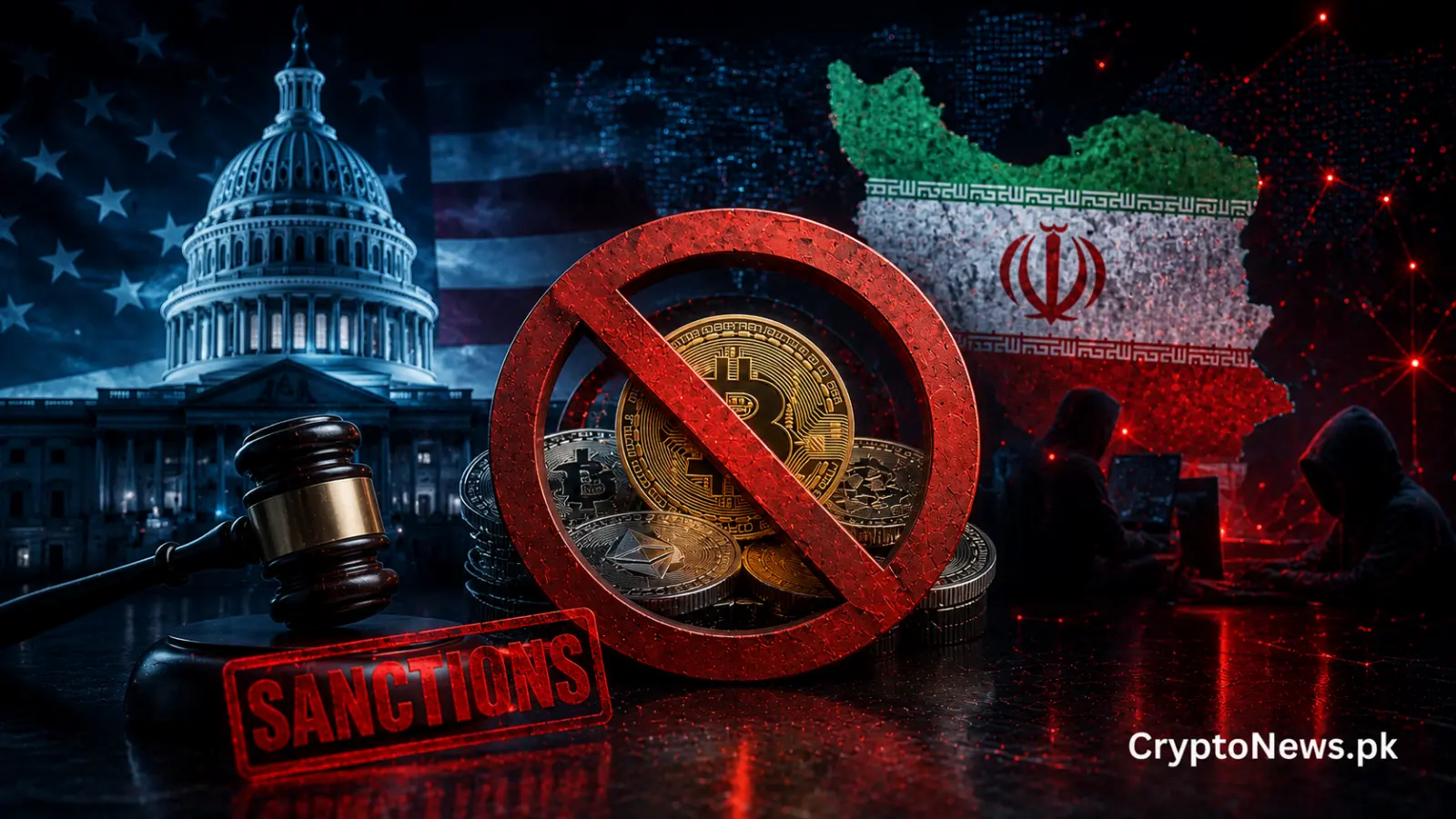
The United States Department of the Treasury has implemented a new round of sanctions targeting Iranian cryptocurrency exchanges. According to reports cited by Reuters and the Caspian Post, these measures are designed to disrupt financial networks allegedly used by the Islamic Revolutionary Guard Corps to bypass international sanctions and move funds across borders. The sanctioned entities were accused of providing services that allowed restricted organizations to maintain access to liquidity.
These sanctions represent a significant development in the use of digital asset oversight as a tool of foreign policy. By targeting the infrastructure of these exchanges, the US aims to restrict the ability of sanctioned entities to utilize platforms for financial activity. This action highlights the increasing focus of global regulators on the intersection of blockchain technology and national security.
Global Crypto Surveillance Trends
The move underscores a broader trend where international authorities are prioritizing the monitoring of crypto to fiat gateways. This development serves as a warning to other exchanges globally regarding the necessity of robust anti-money laundering and know your customer compliance protocols. As blockchain analysis firms continue to improve their ability to trace transactions, the anonymity once associated with cryptocurrency is becoming increasingly difficult to maintain.
Regulators are now leveraging this transparency to identify and flag wallets associated with sanctioned actors. This shift is forcing many platforms to adopt stricter verification standards to avoid becoming targets of international enforcement actions. The focus on these exchanges is likely to set a precedent for how future sanctions are applied to the digital asset sector.
The Pakistan Perspective
For Pakistani cryptocurrency holders, this development reinforces the importance of using reputable platforms that adhere to international compliance standards. While these specific sanctions target Iranian entities, they serve as a reminder that the global financial system is deeply interconnected. Pakistani investors should be aware that interacting with platforms or wallets linked to sanctioned jurisdictions can lead to account freezes or legal complications.
Currently, the regulatory environment in Pakistan remains in development, as authorities continue to evaluate digital asset activities in line with Financial Action Task Force recommendations. Local users should prioritize security and transparency to avoid unintended exposure to global sanctions lists. As the local market matures, the ability to demonstrate the origin of funds will become increasingly critical for those engaging in digital asset trading through international exchanges.
Future Outlook for Digital Finance
The landscape of global finance is undergoing a shift as governments integrate digital assets into their existing regulatory frameworks. Investors and market participants should remain vigilant regarding the platforms they choose to utilize for their transactions. Ensuring that an exchange maintains a transparent and compliant operation is the best defense against the volatility of international regulatory shifts. The ongoing scrutiny of crypto infrastructure is a clear indicator that the era of unregulated digital finance is evolving.
Disclaimer: This article is for informational purposes only and does not constitute financial advice. Pakistani investors should conduct their own research and consult with legal professionals regarding local compliance.