Legislative Update on U.S. Crypto Policy
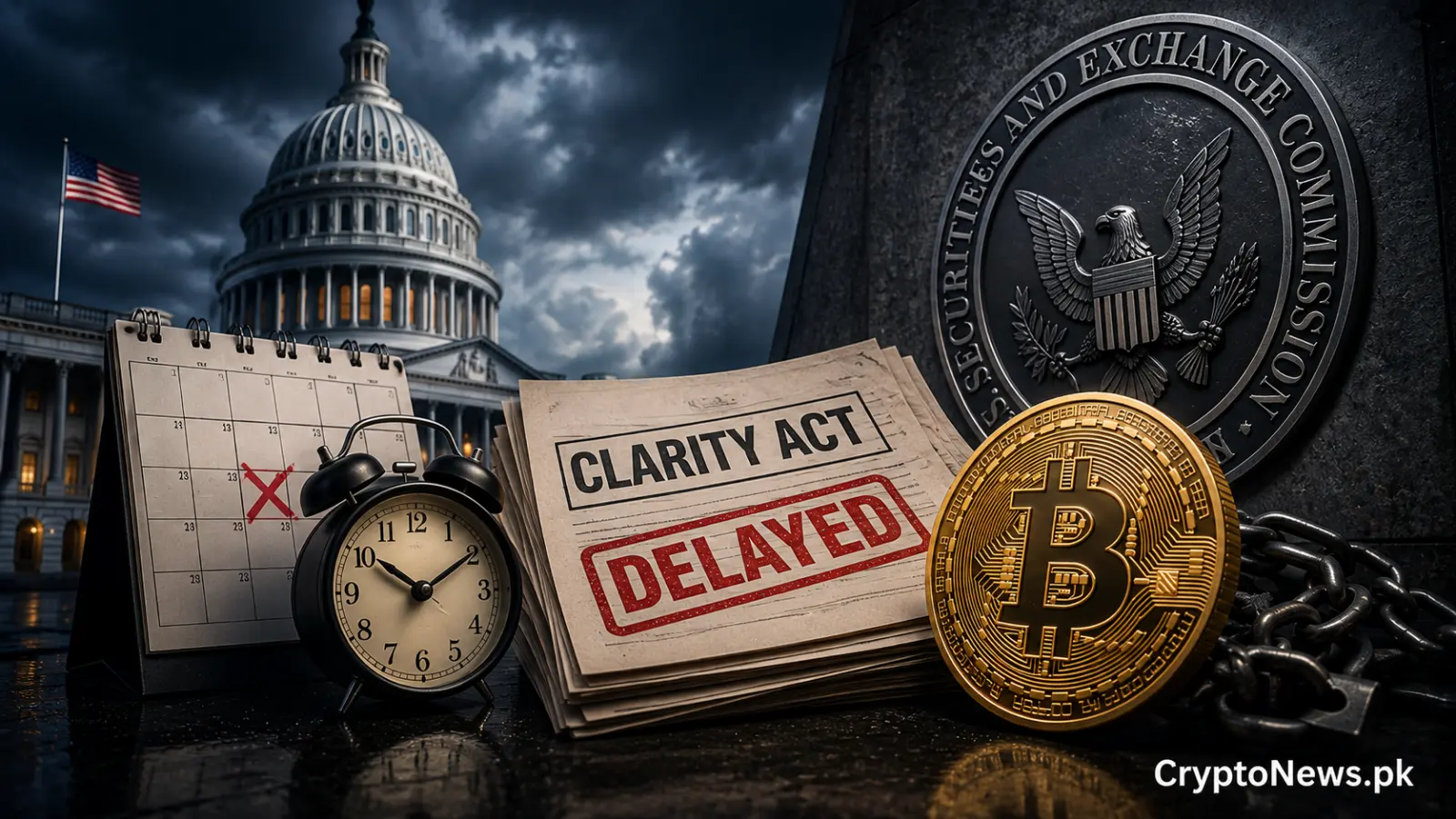
Senate Republicans circulated a new draft of the Digital Asset Market Clarity Act on Thursday, marking a significant development following the August Congressional recess. According to reports from Bitcoin.com News, the updated document spans 630 pages, which is 14 pages longer than the version released on July 22. This legislative effort aims to establish a comprehensive regulatory framework for digital assets in the United States.
Bipartisan Revisions and Negotiation
Senator Cynthia Lummis stated that the revised text incorporates more than 100 changes specifically requested by Democratic lawmakers. By addressing these concerns, proponents hope to bridge the partisan divide that has previously stalled progress on crypto-related legislation. BeInCrypto reported that Senator Lummis has actively urged her colleagues across the aisle to support the bill as it moves toward a procedural vote.
Market Sentiment and Political Hurdles
Despite the revisions, the bill faces a significant challenge in the Senate, where it requires a 60-vote threshold to advance. Market participants are closely monitoring the situation, with Polymarket bettors increasing the odds of the legislation passing this year from 16 percent to 19 percent following the announcement. The upcoming procedural vote will be a critical indicator of whether the legislative body is prepared to move forward with federal crypto oversight.
Impact on Pakistani Crypto Holders
For Pakistani crypto holders, the U.S. regulatory landscape remains a significant external factor. While the Digital Asset Market Clarity Act is a domestic U.S. policy, its passage would likely influence global crypto market liquidity and institutional adoption. Pakistani investors should note that increased clarity in major economies often leads to more stable market conditions. However, local holders must remain aware of the current regulatory environment in Pakistan, where the Federal Board of Revenue (FBR) and the State Bank of Pakistan continue to monitor digital asset activities. As of now, there is no direct legal linkage between U.S. legislative progress and local Pakistani exchange operations, but global trends often dictate the sentiment and accessibility of platforms used by local traders.
The Path Forward
Legislators are now under pressure to finalize the framework before the end of the current session. The success of this bill could set a precedent for how other nations approach the regulation of decentralized finance and digital assets. Stakeholders are waiting to see if the concessions made to Democratic requests will be sufficient to secure the necessary votes for passage.