A New Milestone for Islamic Finance
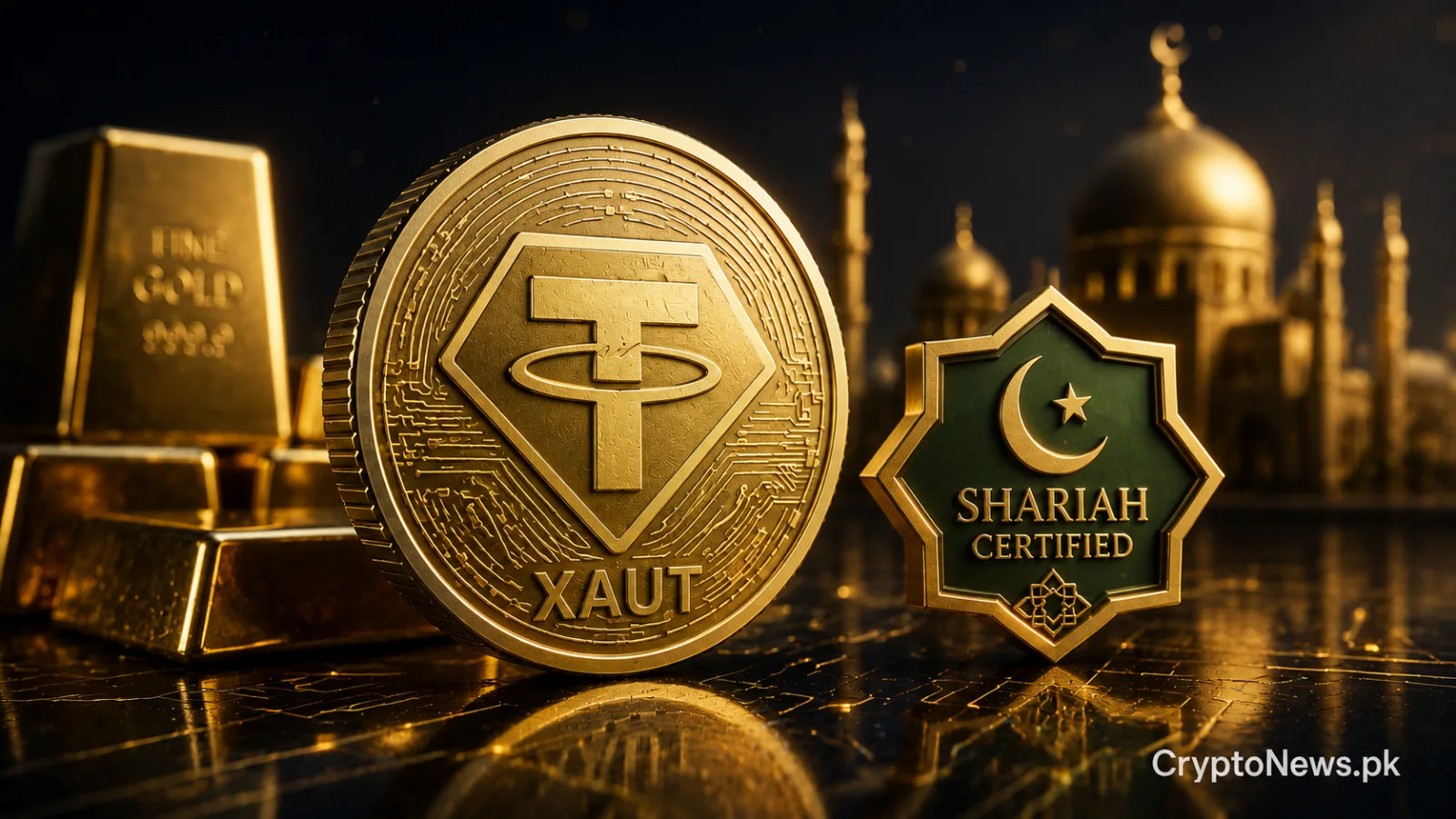
Tether, the issuer of the world's largest stablecoin, announced on October 28, 2024, that its gold-backed digital asset, Tether Gold (XAUt), has officially received Shariah certification. This development marks a notable shift in the intersection of traditional Islamic finance principles and the rapidly evolving digital asset sector, as the token is now verified to align with specific Shariah standards regarding gold ownership and digital transactions.
According to Cointelegraph, this certification was conducted by a team of Shariah scholars who evaluated the token's structure to ensure it meets the requirements for Islamic investment. By obtaining this verification, Tether aims to broaden the appeal of XAUt to Islamic financial institutions and individual investors who require strict adherence to religious guidelines when managing their wealth or diversifying portfolios through gold exposure.
Understanding the XAUt Mechanism
Each XAUt token represents one troy fine ounce of physical gold stored in vaults in Switzerland. Unlike traditional gold-backed assets that may involve complex derivative structures or speculative futures, XAUt is designed to offer direct ownership of the underlying physical commodity in a digital format. This transparency is a key component of why the asset was able to meet the criteria for Shariah compliance, as the principles often emphasize the necessity of tangible asset backing.
Proponents of the certification argue that it bridges the gap between decentralized finance and established Islamic banking practices. By removing uncertainty regarding the compliance status of the asset, Tether is positioning itself to capture a larger share of the market among investors who prioritize ethical and religiously compliant financial instruments.
Implications for Pakistani Investors
For Pakistani investors, the Shariah certification of XAUt presents an interesting development in the local discourse surrounding digital assets. While the State Bank of Pakistan and the Federal Board of Revenue maintain a cautious stance on cryptocurrency trading, the concept of gold-backed tokens aligns closely with traditional Pakistani investment preferences, where physical gold has historically served as a primary hedge against currency devaluation and inflation.
However, Pakistani holders should remain aware that the legal status of crypto-assets in the country remains largely unregulated under the current framework. While the certification provides a religious consensus on the asset's structure, it does not override local financial regulations or the policies of the Federal Board of Revenue regarding capital gains and digital asset reporting. Investors should continue to monitor updates regarding the Prevention of Electronic Crimes Act (PECA) and any future digital asset guidelines issued by the Securities and Exchange Commission of Pakistan before engaging with international platforms that offer such tokens.
Future Outlook for Islamic Crypto
The integration of Shariah-compliant digital assets is expected to accelerate as more institutions seek to provide inclusive financial solutions. If this model proves successful for XAUt, it could set a precedent for other stablecoins and tokenized real-world assets to seek similar certifications. This trend suggests a maturing market where digital assets are no longer viewed solely as speculative instruments, but as viable tools for structured, compliant wealth management.
Pakistani investors interested in gold-backed digital assets should prioritize legal compliance and local regulatory updates before exploring international platforms that offer Shariah-certified tokens.