The Core Conflict: Speculation Versus Utility
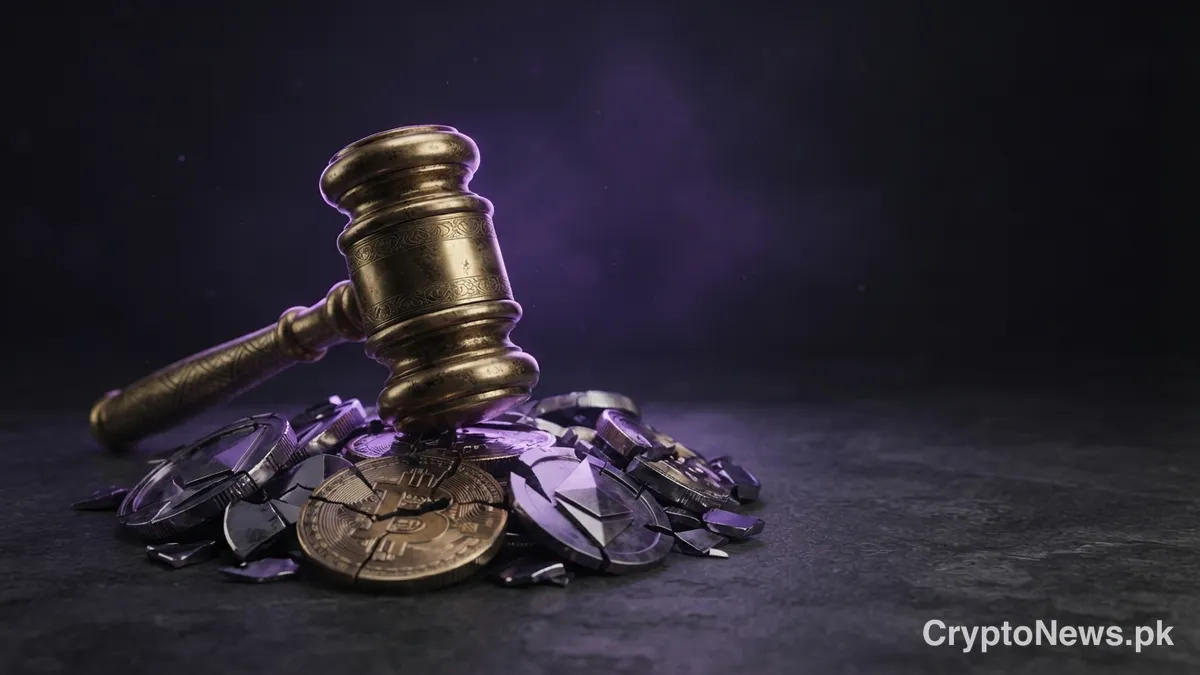
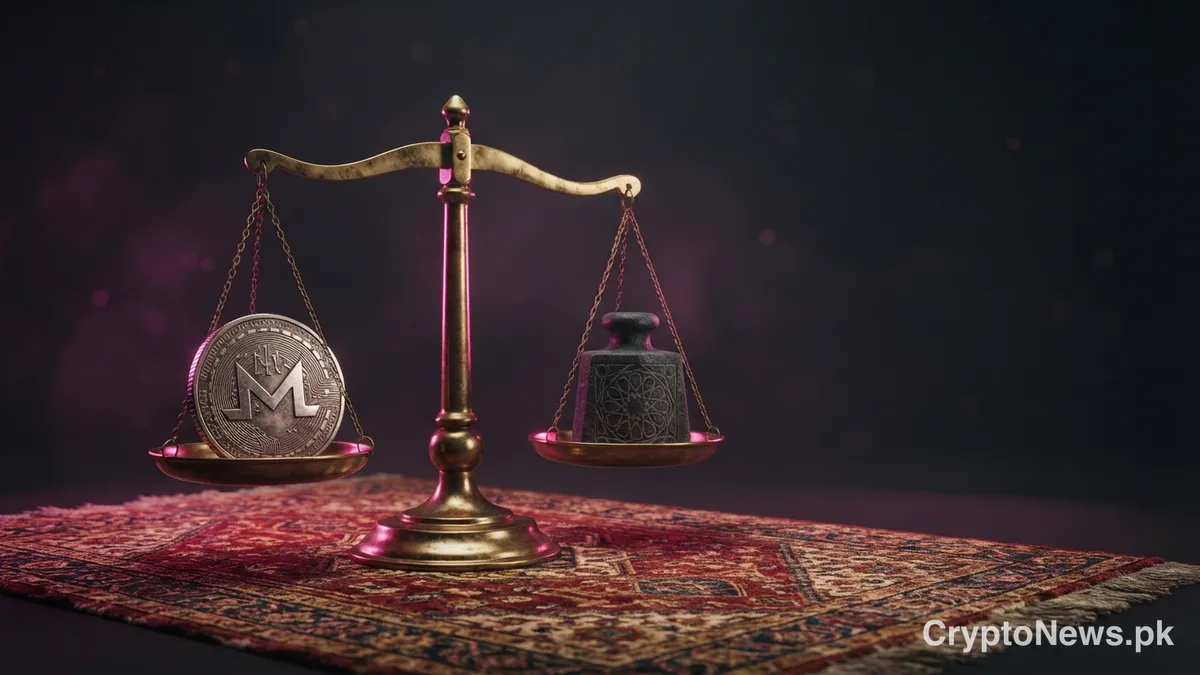
As of October 2024, the debate over whether cryptocurrency is permissible under Islamic law has intensified across Pakistan. According to BeInCrypto, the primary point of contention among religious scholars is the distinction between speculative trading, which many clerics equate to prohibited gambling, and asset-backed tokens that serve a functional utility in the digital economy.
The Role of Regulatory Frameworks
Regulatory bodies and proponents of the Pakistan Virtual Assets Regulatory Authority (PVARA) are working to create a framework that separates high-risk speculative assets from stable, asset-backed digital currencies. The goal is to provide clarity for local investors who are currently operating in a legal gray area. Experts suggest that if a clear distinction can be made, it may help bridge the gap between traditional Islamic finance and modern blockchain technology.
Diverse Perspectives Among Clerics
There is no unified consensus among Pakistani religious scholars regarding the status of digital assets. Some argue that because Bitcoin lacks physical backing and is subject to extreme price volatility, it fails to meet the requirements of a currency under Shariah law. Conversely, other scholars point to the potential for blockchain technology to facilitate transparent, decentralized transactions that could theoretically align with Islamic economic goals if managed correctly.
Implications for Pakistani Holders
For Pakistani crypto holders, this ongoing debate creates significant uncertainty regarding the long-term legality and tax treatment of their holdings. While the Federal Board of Revenue (FBR) continues to monitor digital asset activity, the lack of a formal Shariah-compliant classification means that users cannot yet rely on local banking institutions to facilitate crypto-related transactions. Pakistani investors should remain cautious, as the absence of a clear legal or religious consensus means that the status of these assets remains subject to future policy shifts.
Future Outlook for Local Adoption
Moving forward, the integration of crypto in Pakistan will likely depend on the success of the PVARA in establishing a balanced regulatory environment. If authorities can successfully categorize specific tokens as compliant, it could pave the way for broader adoption within the country. Until such frameworks are finalized, the local community remains in a state of watchful waiting, balancing the potential for innovation against the need for religious and legal compliance.
Pakistani investors should prioritize staying informed on local regulatory updates, as the intersection of Shariah law and government policy will ultimately dictate the future of digital asset accessibility in the country.