The Economic Impact of Stablecoin Integration
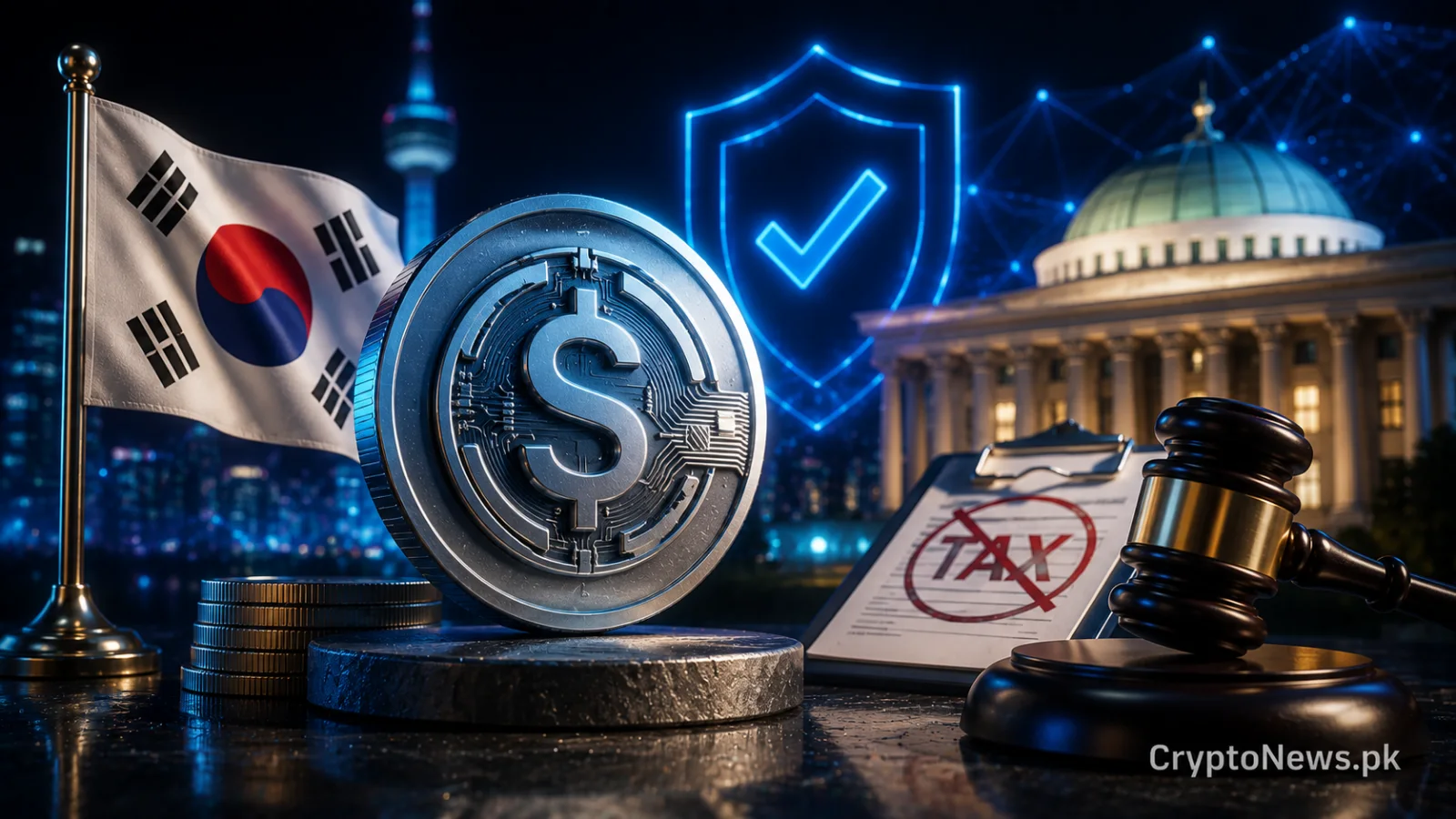
A recent report released by South Korea's National Assembly Budget Office indicates that the adoption of stablecoins could save local merchants up to $3.8 billion annually in transaction fees. By bypassing traditional payment rails and credit card intermediaries, businesses could significantly reduce the overhead costs associated with digital settlements. According to the report, this shift represents a move toward more efficient digital finance infrastructure.
Risks to Traditional Banking Systems
Despite the potential for cost reduction, the budget office issued a stern warning regarding the broader financial landscape. The report highlighted that increased reliance on stablecoins could diminish the role of commercial banks as credit intermediaries. If banks lose their traditional function in the payment ecosystem, the overall stability of the national credit market could be negatively impacted.
Concerns Over Market Stability
Beyond banking concerns, the report addressed the inherent volatility risks associated with digital assets. The budget office specifically warned that mass redemptions could destabilize token pegs, potentially leading to liquidity crises. According to the findings, the lack of a robust regulatory framework for stablecoins remains a primary concern for the South Korean government as it evaluates the integration of these assets into the mainstream economy.
The Pakistan Perspective
For Pakistani crypto holders, the South Korean experience serves as a case study in the tension between financial innovation and regulatory caution. While the potential for reduced transaction costs is attractive, Pakistan's current regulatory environment remains restrictive regarding the use of cryptocurrencies for commercial payments. Local users should remain aware that the State Bank of Pakistan continues to maintain a cautious stance on digital assets, and the use of stablecoins for business-to-business settlements remains largely outside the scope of legal compliance. Pakistani investors utilizing stablecoins for remittances or store-of-value purposes should monitor local developments regarding the Prevention of Electronic Crimes Act and potential future frameworks from the Federal Board of Revenue.
Moving Forward
The South Korean analysis reflects a global trend where governments are weighing the efficiency gains of blockchain technology against the risks to monetary policy. As international regulators continue to debate the status of stablecoins, the path toward institutional adoption remains complex and highly dependent on local legislative progress. For the average user, these developments underscore the importance of staying informed about how global policy shifts may eventually influence the local digital asset landscape.