The Scope of the Breach
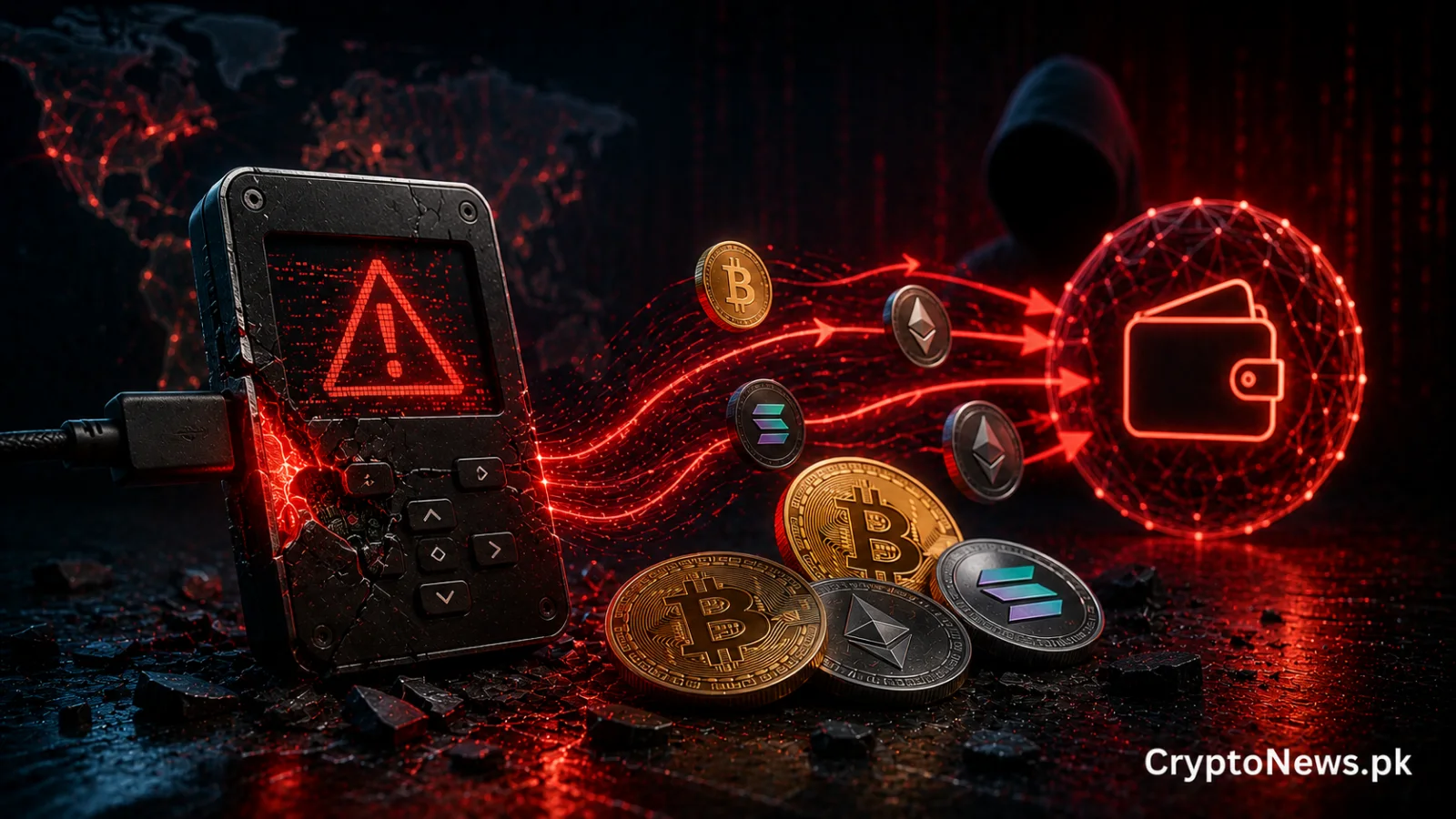
According to a report by The Block, researchers at Galaxy Digital have identified that an exploiter responsible for the 'Wave 3' attacks on Coldcard hardware wallets has successfully moved 45 percent of the stolen assets. As of mid-August, the investigation revealed that roughly 1,779 BTC had been siphoned from 190 individual victims. These funds were traced across more than 8,600 unique addresses, highlighting the complexity of the attacker's obfuscation tactics.
Understanding the Attack Vector
The 'Wave 3' attacks have drawn significant attention due to the reputation of Coldcard wallets as high-security hardware solutions. While hardware wallets are generally considered safer than hot wallets, this incident serves as a stark reminder that no storage method is entirely immune to sophisticated exploits. Security experts emphasize that users must remain vigilant about firmware updates and the physical security of their devices to mitigate such risks.
Tracking the Stolen Assets
The movement of these funds is being closely monitored by blockchain analytics firms. By tracking the flow of the 1,779 BTC, investigators hope to identify potential off-ramps or centralized exchanges where the attacker might attempt to liquidate the assets. This level of transparency is a core feature of the Bitcoin network, allowing the community and security researchers to observe the movement of illicit funds in real time.
Impact on Pakistani Crypto Holders
For Pakistani crypto enthusiasts, this incident underscores the importance of local security practices, especially as many users rely on hardware wallets to store assets away from local exchanges. While there is no direct link between this specific exploit and local Pakistani platforms, the event serves as a warning for those managing self-custody assets. Pakistani investors should ensure they source hardware wallets only from official manufacturers rather than third-party resellers to avoid supply chain tampering. Furthermore, users should remain cautious of phishing attempts that might claim to offer 'recovery' services for stolen funds, as these are often secondary scams targeting victims of previous breaches.
Best Practices for Asset Protection
To protect digital assets, experts recommend implementing multi-signature setups and keeping recovery seeds offline and protected from physical damage. Staying informed about security advisories from reputable sources is essential for anyone holding significant amounts of cryptocurrency. As the ecosystem matures, the responsibility of asset security remains firmly with the individual user, making education the first line of defense against potential exploits.