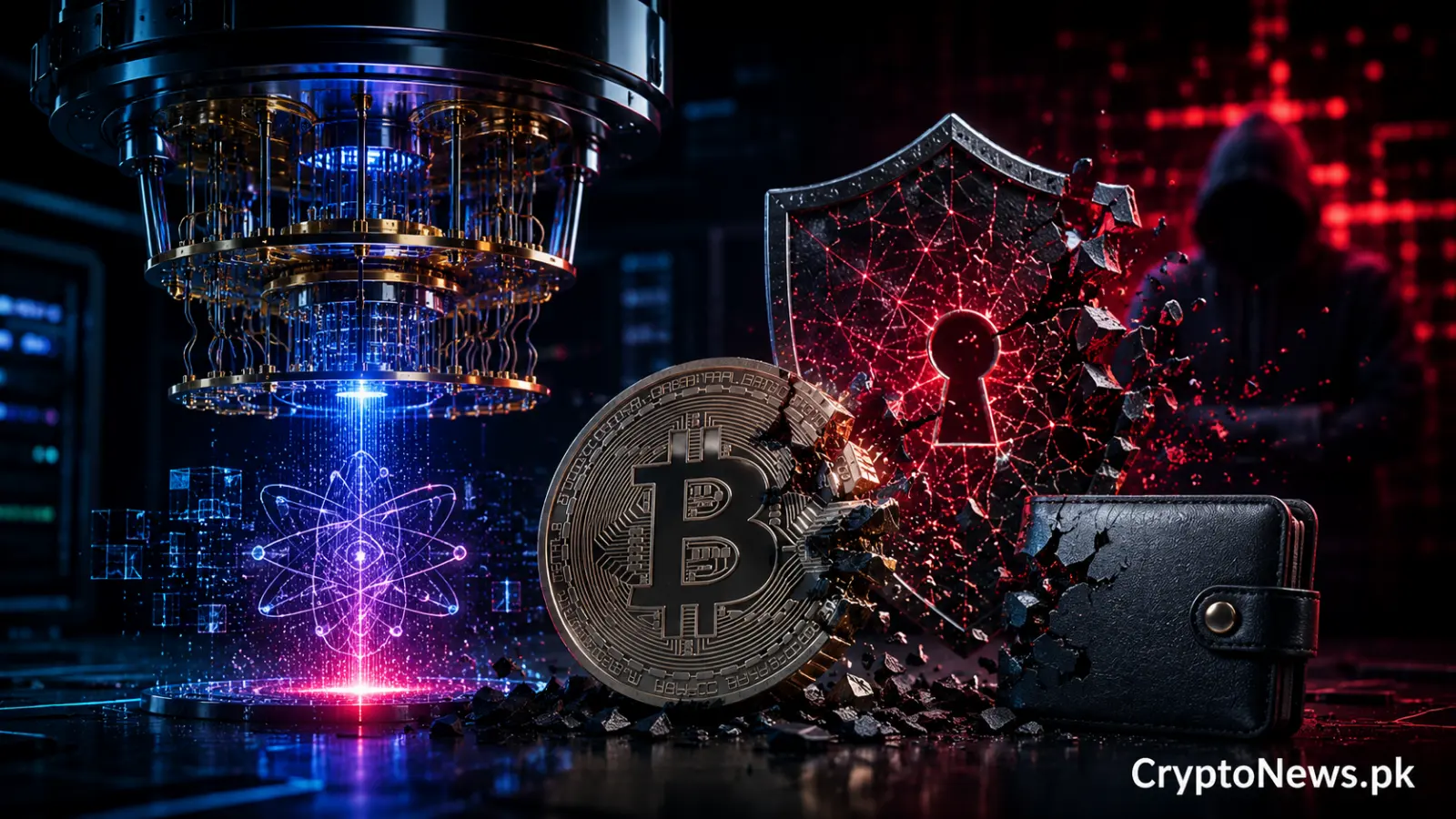
The Quantum Threat to Distributed Ledgers
Blockchain technology relies heavily on cryptographic protocols to secure transactions and verify ownership. As quantum computing advances, there is growing concern that these machines could eventually solve the complex mathematical problems that currently protect digital wallets and smart contracts. If a quantum computer were to break these encryption standards, the integrity of decentralized networks could be compromised.
Rethinking the Security Paradigm
According to Muriel Médard, a professor at MIT and co-founder of Optimum, the industry does not necessarily need to wait for quantum hardware to achieve quantum-safe status. Instead, the focus should remain on implementing advanced mathematical structures that are inherently resistant to quantum algorithms. Médard argues that classic math already provides the necessary tools to build these defenses, emphasizing that software-based resilience is a more immediate and scalable solution than hardware-based fixes.
Implementing Quantum-Resistant Algorithms
Many blockchain developers are already exploring post-quantum cryptography to ensure their networks remain secure for decades. By transitioning to lattice-based cryptography or other quantum-resistant signatures, networks can protect themselves against future decryption attempts. This proactive approach ensures that even if a powerful quantum machine is developed, the underlying data remains shielded from unauthorized access.
The Pakistan Perspective for Crypto Holders
For Pakistani crypto holders, the conversation around quantum security might seem distant, but it remains relevant for long-term asset custody. As global exchanges and wallets move toward quantum-resistant standards, users should prioritize platforms that demonstrate a commitment to security upgrades. While the Federal Board of Revenue (FBR) and local regulatory bodies continue to monitor the digital asset space, Pakistani investors should remain aware that technical obsolescence is a risk factor for any long-term digital store of value. Currently, the local impact is minimal as most retail activity remains focused on short-term trading, but those holding significant assets in cold storage should monitor how major protocols update their cryptographic foundations.
Future-Proofing Digital Assets
Security is a continuous process rather than a one-time achievement. As the global crypto ecosystem evolves, the integration of quantum-safe math will likely become a standard requirement for institutional-grade blockchains. Investors and developers alike must prioritize these security foundations to maintain the trust and utility of decentralized systems in an increasingly complex digital landscape.
As the industry matures, Pakistani investors should prioritize using wallets and platforms that actively update their security protocols to stay ahead of evolving technological threats.