The Core Conflict Over Tokenized Assets
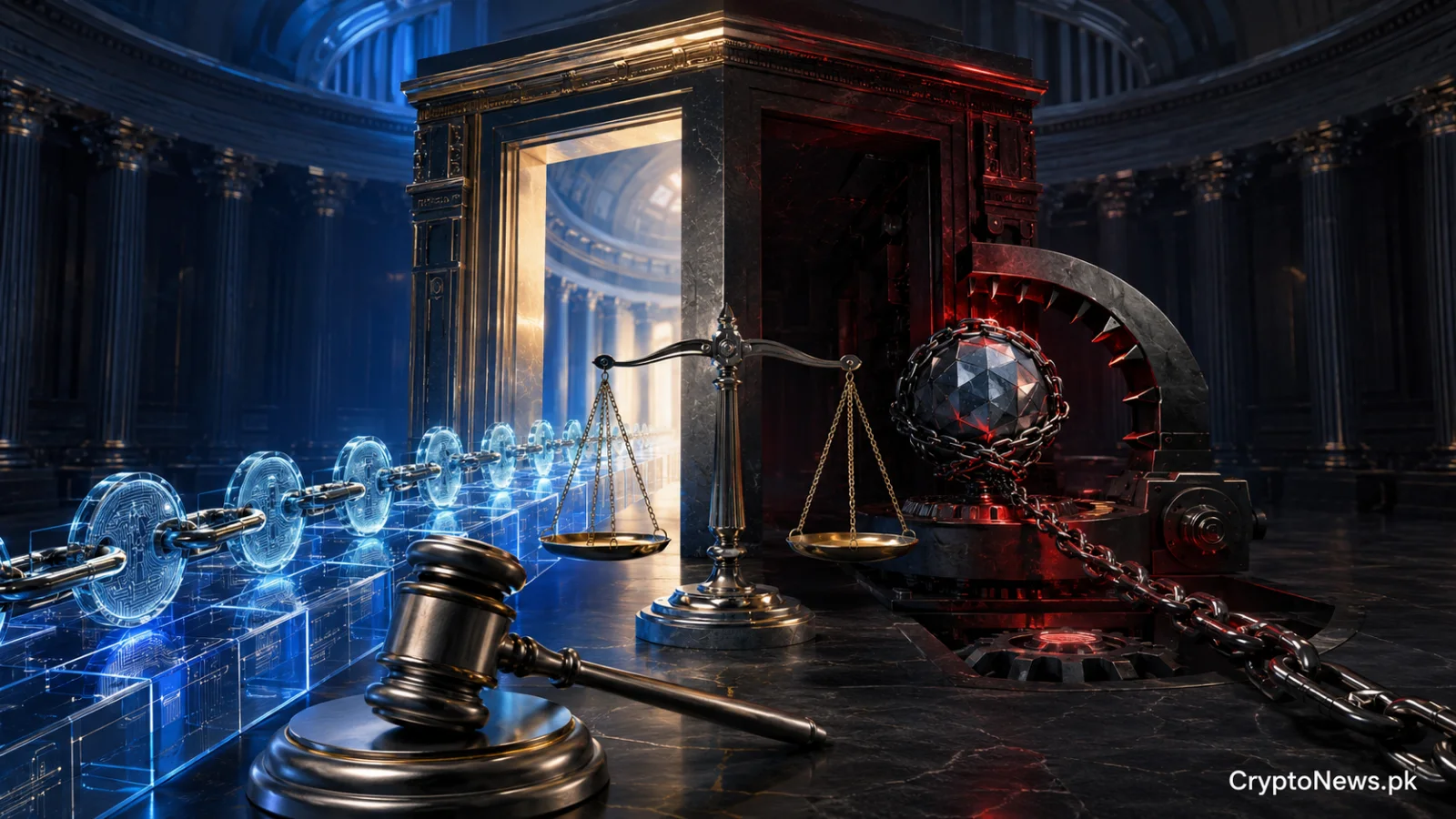
Robinhood CEO Vlad Tenev stated on Friday that securities issuers should maintain control over shareholder rights, but they should not have the power to veto separate products that track their publicly traded shares. This commentary follows a broader industry debate regarding how traditional equity markets interact with the burgeoning world of tokenized assets and blockchain technology. According to CoinDesk, Tenev emphasized that the ability for third parties to create tracking tokens is a matter of market innovation that should remain independent of corporate interference.
Implications for Market Infrastructure
Tokenized stocks allow investors to gain exposure to equity price movements through digital assets, often operating outside the traditional settlement cycles of standard stock exchanges. By separating the underlying corporate governance from the price tracking mechanism, proponents argue that retail investors gain more flexible access to global markets. Tenev suggests that while corporations have a legitimate interest in their own equity structure, extending that control to secondary tracking products could stifle technological progress in financial services.
The Regulatory Landscape
This dispute highlights the ongoing tension between centralized corporate entities and decentralized finance platforms. Regulators globally are currently examining how to classify these tracking tokens, with many jurisdictions debating whether they constitute securities themselves. While some firms advocate for strict corporate oversight to protect shareholders, others argue that tokenization provides essential liquidity and accessibility that traditional brokerage models may lack.
The Pakistan Perspective
For Pakistani investors, the debate over tokenized stocks remains largely theoretical due to the current regulatory framework surrounding virtual assets. The State Bank of Pakistan and the Federal Board of Revenue maintain a cautious stance on digital assets, and local exchanges do not currently offer tokenized versions of international stocks. Pakistani holders looking to access global equity markets typically rely on traditional brokerage accounts that comply with local foreign exchange regulations. Until there is a clear legal pathway for digital securities in Pakistan, local users should remain aware that trading such assets on international platforms may fall outside the protection of local financial laws.
Future Outlook for Digital Equities
As the financial industry continues to experiment with blockchain technology, the definition of what constitutes a security will likely evolve. The stance taken by leaders like Tenev indicates that the industry is pushing for a more open ecosystem where digital representations of value can exist alongside traditional equities. Whether this leads to a unified global market or remains a fragmented landscape of proprietary products will depend on future regulatory clarity and corporate cooperation.
Pakistani investors should prioritize using regulated platforms that adhere to local financial guidelines while monitoring global developments in tokenization for future opportunities.