A Shift in Decentralized Trading
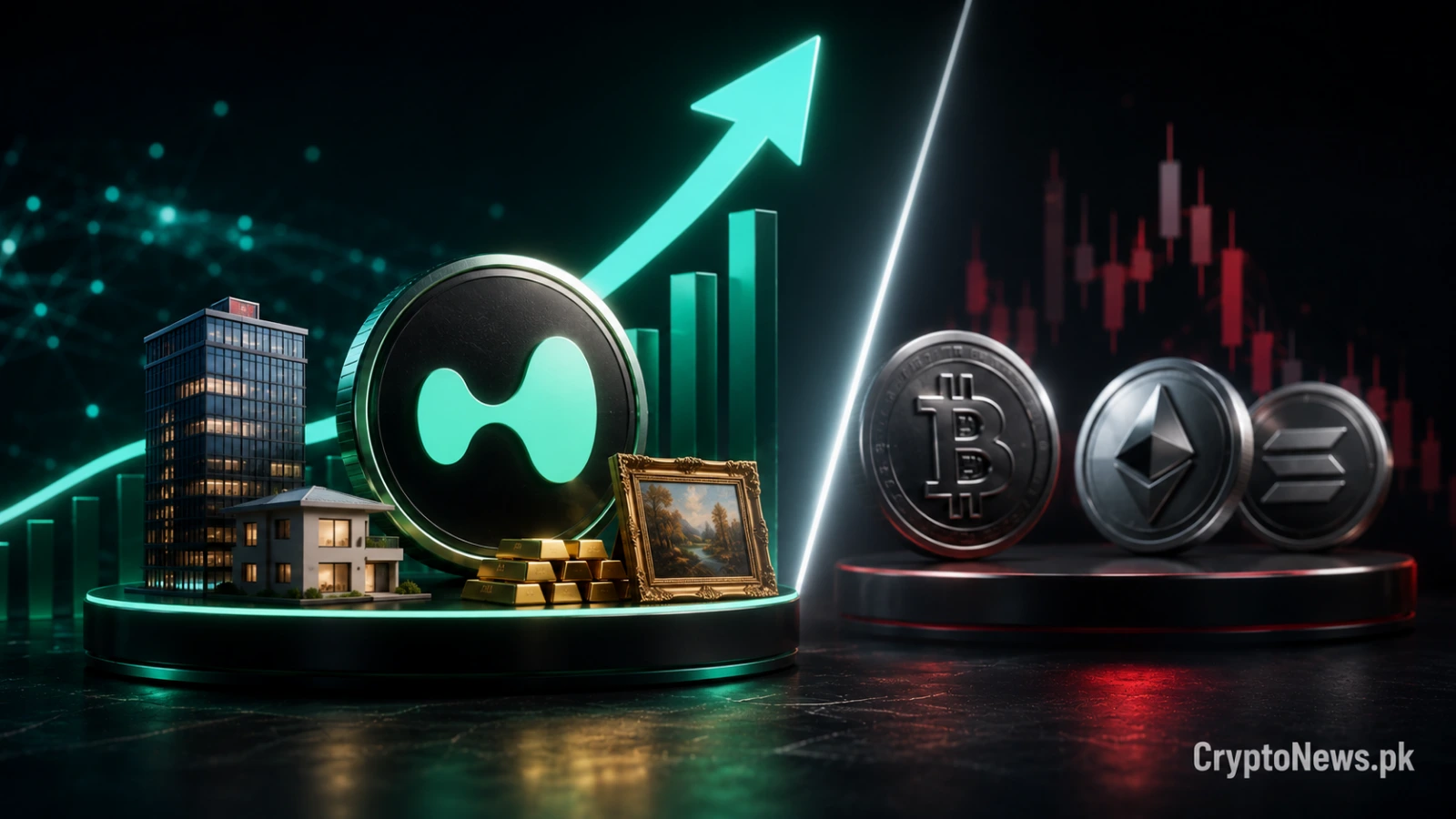
For the first time in its history, the decentralized derivatives exchange Hyperliquid recorded trading volumes where real world assets, including traditional stocks, commodities, and market indices, outperformed crypto-native assets. According to Decrypt, this milestone marks a departure from the platform's historical focus on digital tokens and reflects a broader industry trend toward the integration of traditional financial instruments into decentralized finance protocols.
The Rise of Tokenized Assets
Analysts from ARK Invest have suggested that this development signals a transformative period for digital markets. By allowing users to gain exposure to traditional equities through decentralized rails, platforms like Hyperliquid are bridging the gap between legacy finance and blockchain technology. This trend suggests that investors are increasingly seeking the efficiency of decentralized execution for assets that were previously restricted to centralized brokerage environments.
Market Implications
The ability to trade tokenized stocks on a decentralized exchange offers users 24/7 market access and reduced reliance on traditional clearing houses. As reported by Decrypt, this shift highlights the growing demand for hybrid ecosystems where decentralized infrastructure supports a wider array of global financial products. While crypto assets remain a core component of these platforms, the expansion into commodities and indices represents a diversification of the decentralized finance landscape.
The Pakistan Perspective
For Pakistani crypto enthusiasts, the emergence of real world assets on decentralized exchanges presents both opportunities and complexities. While local investors often use decentralized platforms to bypass the limitations of traditional banking systems, trading tokenized stocks may fall into a regulatory gray area under current Pakistani financial guidelines. The Federal Board of Revenue and the State Bank of Pakistan have maintained a cautious stance on digital assets, and users should remain aware that trading tokenized equities does not provide the same legal protections as holding shares through a licensed local brokerage. Furthermore, the volatility of crypto-based decentralized exchanges remains a significant risk factor for retail participants in the region.
Future Outlook
As decentralized exchanges continue to incorporate traditional assets, the fundamental nature of global trading is evolving. This transition could lead to more accessible global markets, provided that regulatory frameworks adapt to the technological realities of blockchain-based asset ownership. Investors should continue to monitor how these platforms manage liquidity and security as they scale beyond the crypto-native audience.
Investors in Pakistan should exercise caution and prioritize compliance with local financial regulations when engaging with decentralized platforms that offer tokenized traditional assets.