The Potential of Climate-Linked Assets
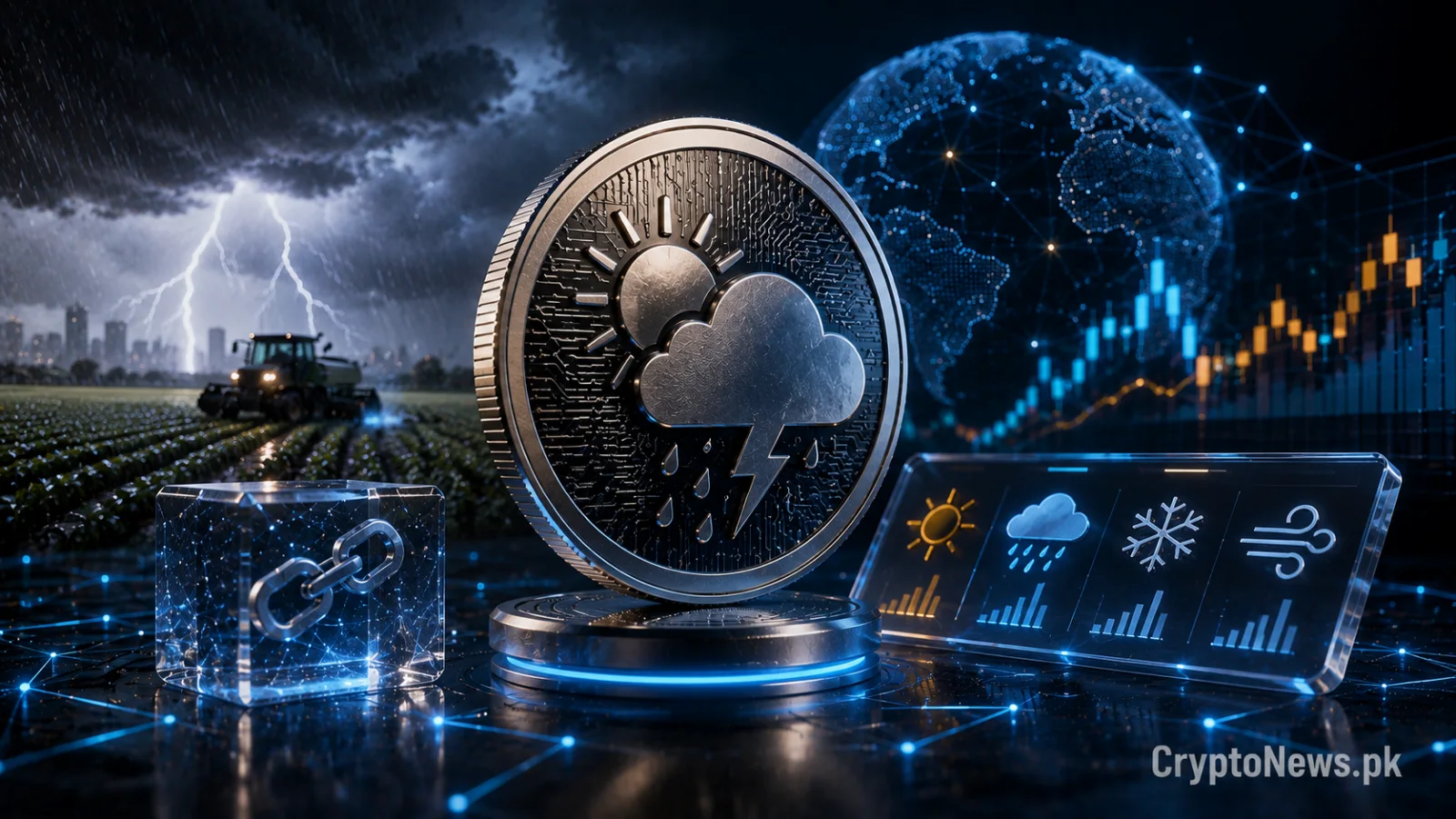
Blockchain technology is increasingly being positioned as a solution for democratizing access to weather derivatives, a financial instrument typically reserved for large corporations. According to a recent analysis by CoinDesk, tokenizing these assets could provide a critical hedge for businesses vulnerable to climate-related financial risks. By moving these derivatives on-chain, proponents argue that the high barriers to entry, such as complex legal structures and high capital requirements, could be significantly lowered.
Weather derivatives are financial contracts that allow entities to hedge against adverse weather conditions, such as extreme heat or unexpected rainfall. Currently, these products are primarily accessible to institutional players. CoinDesk reports that by leveraging smart contracts, developers can create automated, transparent platforms where small business owners can purchase protection against specific weather events without the need for traditional intermediaries.
Bridging the Gap for Main Street
Small businesses often lack the resources to access traditional insurance or hedging markets, leaving them exposed to climate volatility. The integration of real world assets into decentralized finance frameworks aims to solve this by providing liquidity and accessibility. By using blockchain technology, the settlement process can be automated through oracle data feeds, which verify weather conditions in real time to trigger payouts.
This shift towards tokenized climate products represents a broader movement in the crypto sector toward tangible utility. Rather than focusing solely on speculative trading, the industry is exploring how distributed ledger technology can serve as a functional layer for global finance. This approach seeks to provide a more inclusive financial system that accounts for the growing unpredictability of global weather patterns.
The Pakistan Angle
For Pakistani business owners, particularly in the agricultural and logistics sectors, climate volatility poses a significant threat to profitability. While the local regulatory environment remains cautious regarding digital assets, the concept of tokenized weather derivatives could eventually offer a pathway to manage risks that traditional banking in Pakistan currently struggles to cover. However, Pakistani holders should note that such platforms are still in their infancy and operate outside the current oversight of the State Bank of Pakistan or the Securities and Exchange Commission of Pakistan. Engaging with such protocols involves significant technical and regulatory risks, as there is currently no local legal framework to protect participants in decentralized climate-hedging initiatives.
Future Outlook for On-Chain Finance
As the crypto industry matures, the focus on real world assets is expected to intensify. The ability to hedge risks on-chain could change how small enterprises interact with global financial markets. While technical and regulatory hurdles remain, the development of these tools highlights a growing consensus that blockchain can provide value beyond traditional currency speculation. Future adoption will likely depend on the reliability of oracle data and the establishment of clear legal standards for cross-border digital contracts.
Pakistani readers should monitor these developments as potential future tools for risk management, while remaining aware of the strict regulatory landscape currently governing digital asset interactions in the country.