New Regulatory Directives in Japan
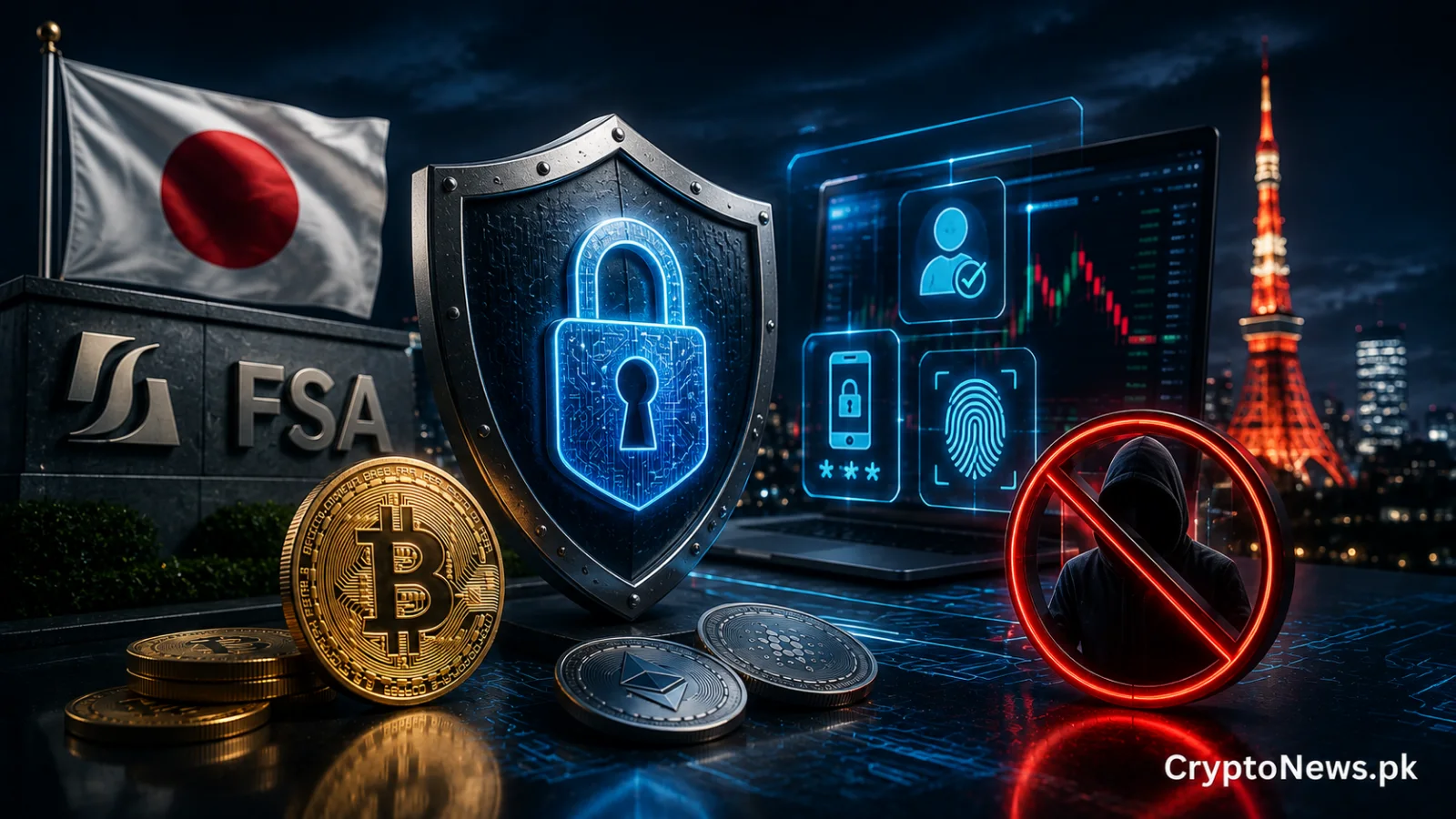
The Japanese Financial Services Agency (FSA) has issued a formal request to all registered cryptocurrency exchanges operating within the country, urging them to implement mandatory withdrawal delays and stricter security measures. According to Cointelegraph, these guidelines are designed to combat the rising tide of digital asset scams and unauthorized account access that have plagued the industry globally. The regulator emphasized that exchanges must now prioritize customer-specific limits and robust authentication processes to prevent illicit actors from quickly moving stolen funds off platforms.
Strengthening Account Security
Beyond withdrawal delays, the FSA is pushing for comprehensive address registration systems that link user accounts more tightly to verified identities. The agency suggests that by slowing down the movement of assets, exchanges can provide a critical window for victims to report fraud and for security teams to freeze suspicious transactions. This proactive stance reflects a broader trend among global regulators who are moving away from self-regulation toward standardized, state-mandated safety protocols for digital asset service providers.
Global Context of Exchange Oversight
This move by Japanese authorities aligns with international efforts to harmonize anti-money laundering and counter-terrorism financing standards within the crypto sector. By requiring exchanges to implement these controls, Japan aims to maintain its status as a regulated hub for digital finance while minimizing the risks associated with rapid, anonymous transactions. Industry analysts note that while these measures may introduce friction for high-frequency traders, they are essential for long-term institutional adoption and user trust.
Implications for Pakistani Crypto Holders
For Pakistani crypto enthusiasts, the Japanese regulatory shift serves as a reminder of the evolving global standards for exchange security. While the FSA directive does not directly govern Pakistani exchanges, it highlights the importance of choosing platforms that prioritize user safety through multi-factor authentication and identity verification. Pakistani users should remain cautious when using international platforms, as local regulatory frameworks under the FBR and PVARA remain complex. There is currently no direct impact on PKR remittances or local exchange operations, but the global move toward stricter verification reinforces the need for Pakistani users to maintain high security standards on their own accounts to prevent potential losses.
Future Outlook for Digital Asset Safety
The demand for increased security is likely to spread to other jurisdictions as regulators observe the effectiveness of Japan's new policies. As the crypto industry matures, the balance between decentralization and user protection continues to shift toward regulated oversight. Investors should monitor how these security requirements influence the liquidity and accessibility of major global exchanges in the coming months.