A New Regulatory Era for Russian Crypto
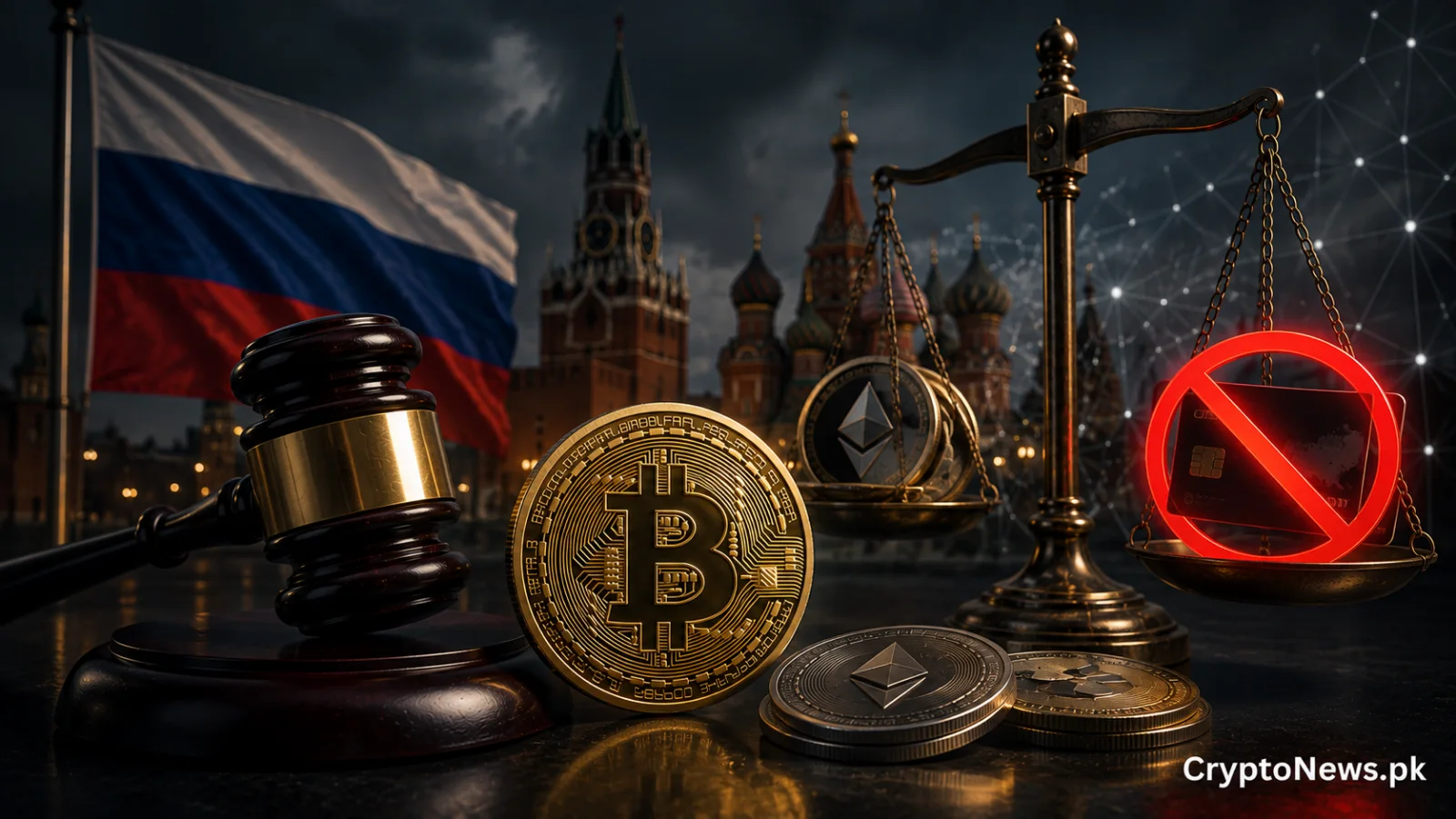
On August 8, 2024, Russian President Vladimir Putin signed into law a comprehensive framework that officially legalizes cryptocurrency trading within the country. According to Decrypt, the legislation establishes a supervised market for digital assets, placing oversight under the Central Bank of Russia. This move marks a significant shift from the country's previously ambiguous stance on digital currencies.
The new legal framework mandates that all platforms facilitating the exchange of digital assets must obtain specific licenses and adhere to strict reporting requirements. By bringing crypto trading under the purview of the central bank, Russian authorities aim to curb illicit financial flows while capturing tax revenue from the burgeoning digital asset sector. Despite this formalization, the government has maintained a strict prohibition on using cryptocurrencies for domestic payments, ensuring the Russian Ruble remains the sole legal tender for goods and services.
Balancing Innovation and Monetary Sovereignty
Russian policymakers have long expressed concerns regarding the potential for decentralized currencies to undermine the national monetary system. By allowing trading but banning payments, the Kremlin is attempting to balance the need for technological innovation with the desire to maintain absolute control over the domestic economy. This dual approach is designed to attract institutional interest in digital asset infrastructure while preventing the bypass of traditional banking systems.
Industry analysts note that this legislation provides a clearer path for companies looking to engage in crypto-related activities within Russia. However, the requirement for central bank supervision suggests that the industry will operate within a tightly controlled environment. The law also establishes mechanisms for the state to monitor transactions, which is a common feature in many jurisdictions currently developing their digital asset regulatory frameworks.
Implications for Pakistani Crypto Holders
For investors and crypto enthusiasts in Pakistan, the Russian development serves as a reminder of the global trend toward regulated digital asset markets. While Pakistan currently lacks a comprehensive legal framework for cryptocurrency, the Russian model of separating trading from payments is a strategy often discussed by regulators worldwide. Pakistani holders should remain aware that the legal status of digital assets in one jurisdiction does not change the regulatory landscape at home.
Currently, Pakistani crypto users operate in a grey area, with the Federal Board of Revenue (FBR) increasingly focusing on the taxation of digital assets under existing income tax laws. The absence of formal exchange licensing in Pakistan means that local users often rely on international platforms, which carry inherent risks regarding compliance and fund accessibility. As Russia formalizes its market, it highlights the growing global pressure for clear, local regulatory guidelines that could eventually influence how Pakistani authorities approach the sector.
Future Outlook
As Russia begins to implement these new rules, the global crypto community will be watching to see how effectively the central bank can manage the oversight of digital asset exchanges. The success of this model could provide a blueprint for other nations that are hesitant to fully integrate crypto into their financial systems. For the Pakistani reader, it is essential to monitor how international regulatory shifts may eventually inform local policies regarding digital asset taxation and exchange operations.