The Security Breach Explained
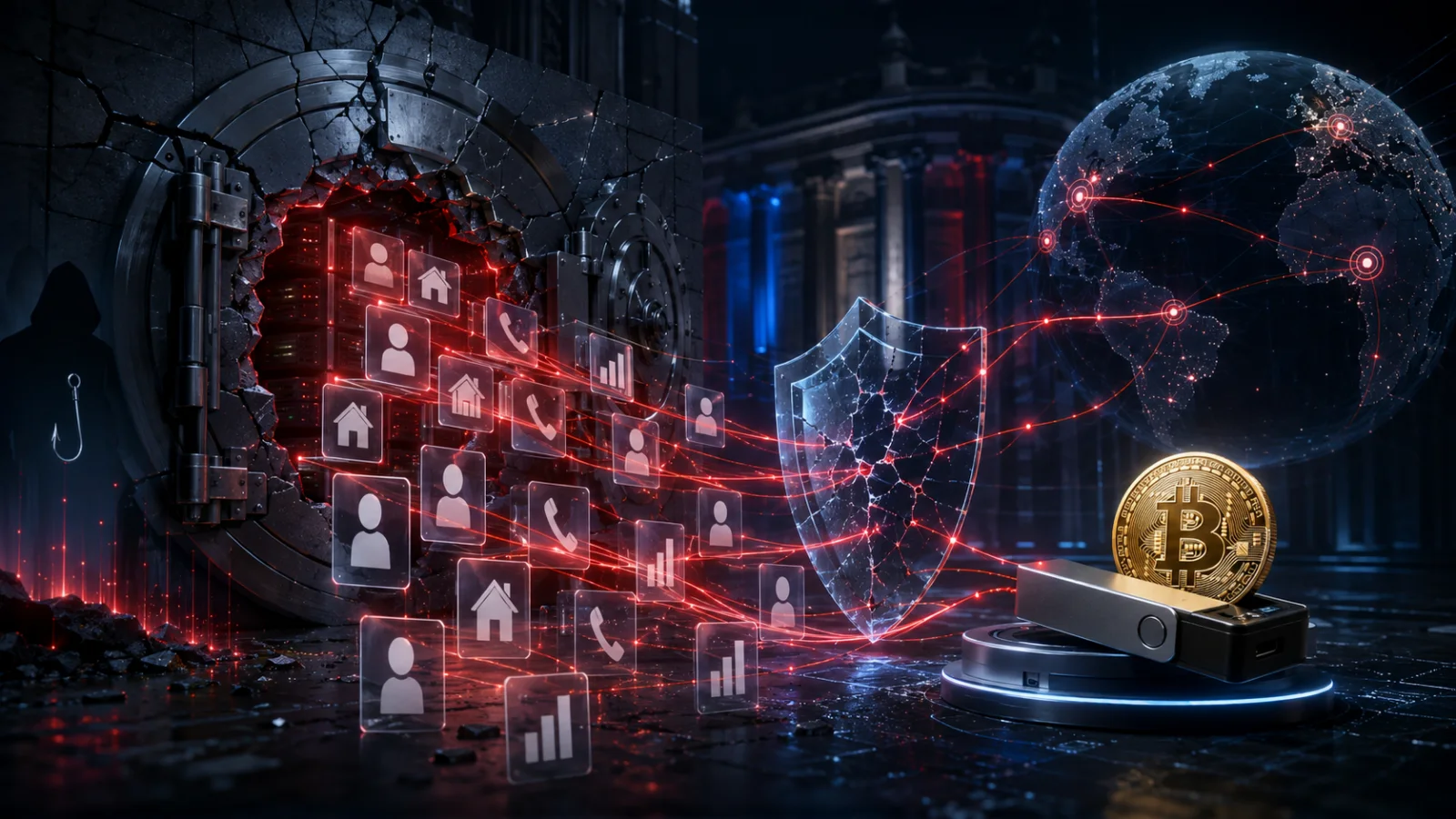
Major hardware wallet manufacturers Trezor and BitBox have issued urgent warnings to their users regarding a series of sophisticated phishing attacks. According to reports from Cointelegraph, the security incidents originated from a breach at a third-party email service provider used by multiple companies in the Bitcoin and cryptocurrency sector. This breach allowed unauthorized actors to access email lists and distribute deceptive messages.
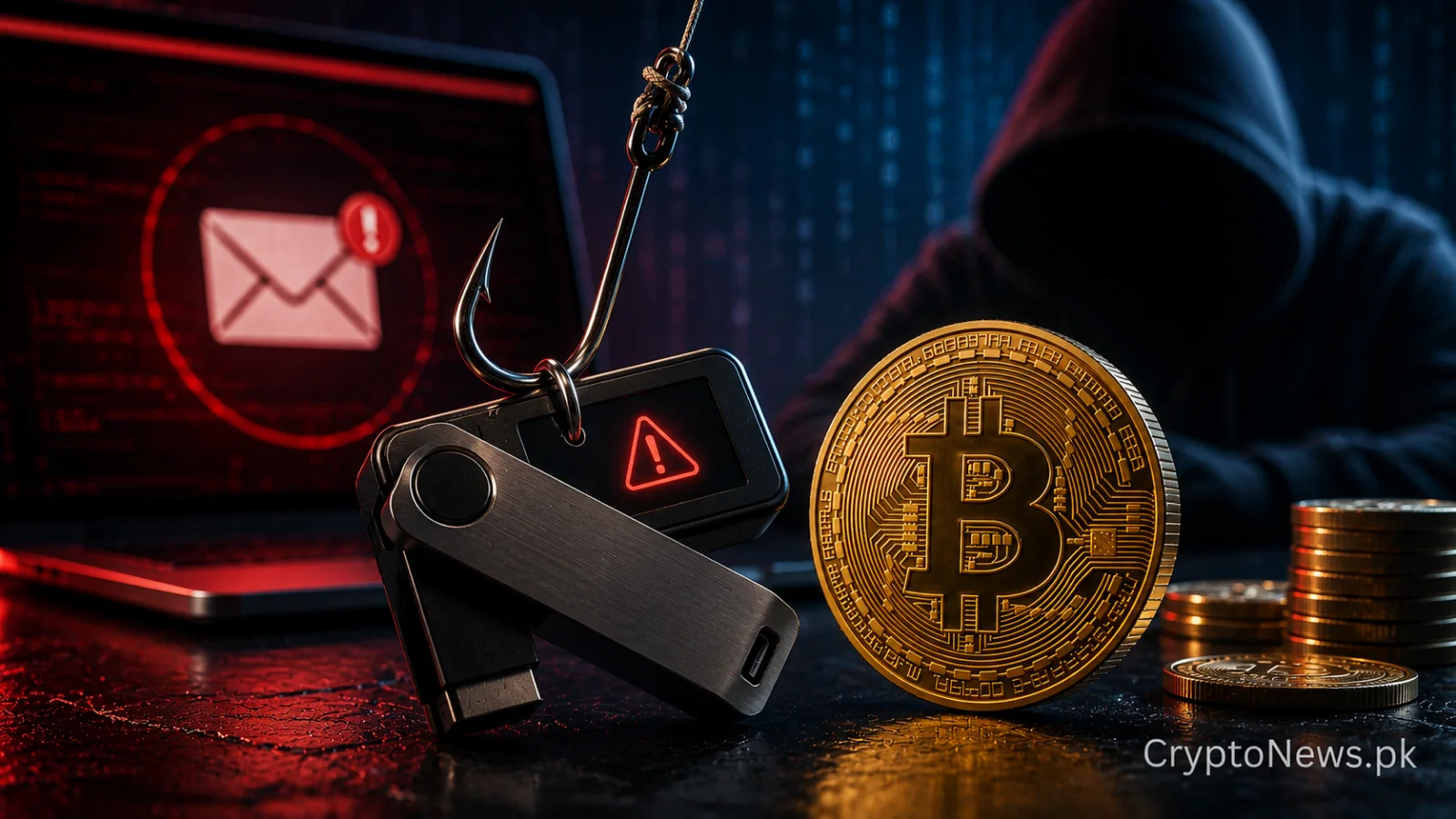
The malicious emails were designed to mimic official communications from these hardware wallet providers. These messages often contained urgent alerts regarding security vulnerabilities or requests for users to authenticate their recovery phrases on fraudulent websites. Both companies have clarified that their actual hardware devices remain secure and that the breach was limited to communication infrastructure rather than the wallets themselves.
Protecting Assets from Phishing
Industry experts emphasize that hardware wallets are designed to keep private keys offline, meaning they are immune to remote digital breaches. However, the human element remains the weakest link in the security chain. Phishing campaigns rely on social engineering to trick users into revealing their 24-word recovery seeds or PIN codes, which grants attackers total control over the associated funds.
Both Trezor and BitBox have reiterated that they will never contact users via email to request their recovery seed or password. Users are advised to exercise extreme caution when clicking links in emails, even if the sender appears to be a trusted brand. Verifying the sender's email address and navigating directly to the official company website instead of clicking provided links is the safest practice for digital asset management.
Implications for Pakistani Crypto Holders
For Pakistani cryptocurrency holders, this incident serves as a critical reminder of the importance of operational security. While local exchanges in Pakistan often provide custodial services, many advanced users prefer hardware wallets for self-custody. Because Pakistan lacks a formal regulatory framework for digital assets, users who lose their funds to phishing attacks have virtually no legal recourse or consumer protection mechanisms to recover their stolen assets.
Local investors should be aware that phishing attempts often target regions with growing crypto adoption. Pakistani users should enable two-factor authentication on all associated email accounts and avoid storing sensitive recovery information in digital formats like cloud storage or email drafts. Given the current economic climate and the volatility of the PKR, protecting your long-term crypto holdings from such social engineering attacks is essential for financial safety.
Staying Vigilant in a Global Market
As the cryptocurrency industry continues to mature, attackers are increasingly targeting the infrastructure surrounding the ecosystem rather than the blockchain protocols themselves. The use of shared service providers creates a single point of failure that can affect multiple companies simultaneously. Users should treat any unsolicited communication regarding their wallet security with skepticism and cross-reference warnings with the official social media channels of the wallet provider.
Maintaining a healthy level of paranoia regarding digital communications is the best defense against evolving phishing tactics. By keeping recovery phrases offline and ignoring suspicious links, Pakistani crypto enthusiasts can ensure their assets remain secure despite third-party service vulnerabilities.