New Security Protocols for MetaMask Users
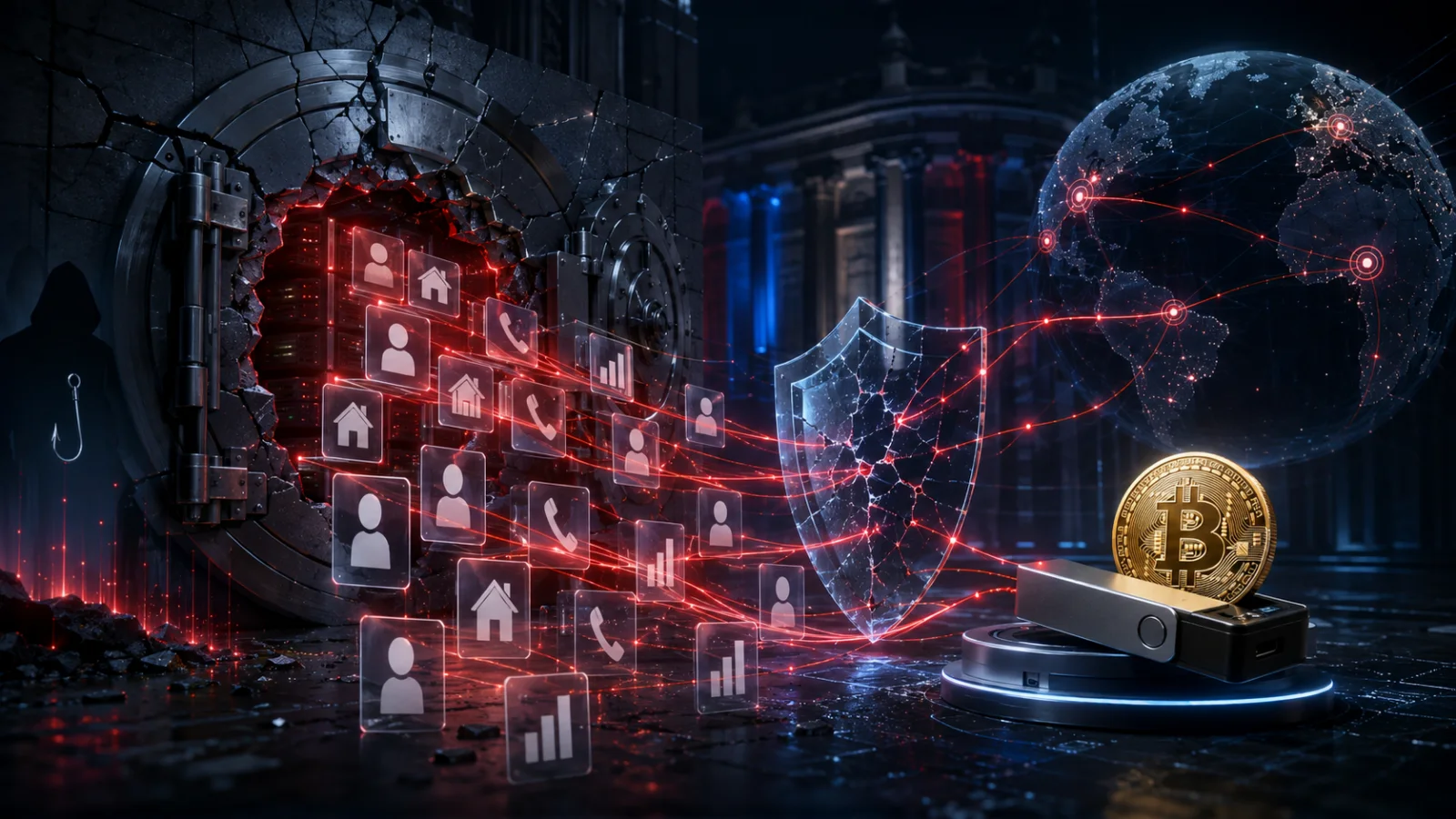
MetaMask, one of the most widely used self-custody crypto wallets, announced the launch of new security features on October 24, 2024, aimed at protecting users from increasingly sophisticated crypto scams. The update introduces automated safeguards that actively monitor transactions for signs of malicious intent. According to Decrypt, these tools are designed to flag suspicious transfers and stop transactions that do not align with their initial previews, providing a critical layer of defense for retail investors.
How the Safeguards Function
The new security layer operates by analyzing the destination of funds and the nature of the smart contract interaction. If the wallet detects that a transaction is interacting with a known malicious address or a high-risk decentralized application, it will trigger an immediate warning. This proactive approach helps users avoid common pitfalls such as phishing links or fraudulent token approvals that have historically drained millions from user wallets.
The Importance of Self-Custody Security
As the crypto ecosystem grows, the responsibility of asset protection rests heavily on the individual user. By integrating these warnings directly into the wallet interface, MetaMask aims to reduce the technical barrier to safety. These features act as a digital safety net, ensuring that users have a moment to reconsider before confirming a transaction that could lead to the permanent loss of their digital assets.
Impact on the Pakistani Crypto Community
For Pakistani crypto holders, who often rely on self-custody wallets to manage assets outside of centralized exchanges, these updates are highly relevant. While the Federal Board of Revenue (FBR) and the State Bank of Pakistan maintain strict oversight on crypto-related activities, local users remain vulnerable to international phishing scams that target decentralized wallets. Adopting these new MetaMask features provides a necessary buffer against global cyber threats, especially for those utilizing wallets to manage remittances or participate in decentralized finance. Users in Pakistan should ensure their MetaMask browser extensions or mobile applications are updated to the latest version to benefit from these security patches.
Navigating the Evolving Threat Landscape
Security experts note that while software-based safeguards are a significant improvement, they should not replace fundamental security hygiene. Users are still encouraged to verify transaction details manually, use hardware wallets for long-term storage, and avoid clicking on suspicious links sent via social media or email. The integration of these tools marks a shift toward a more user-friendly, yet secure, environment for decentralized finance participants globally.
Pakistani crypto users should prioritize updating their MetaMask wallets immediately to leverage these new protections against the rising tide of digital asset theft.