Global Exchange Landscape Shifts
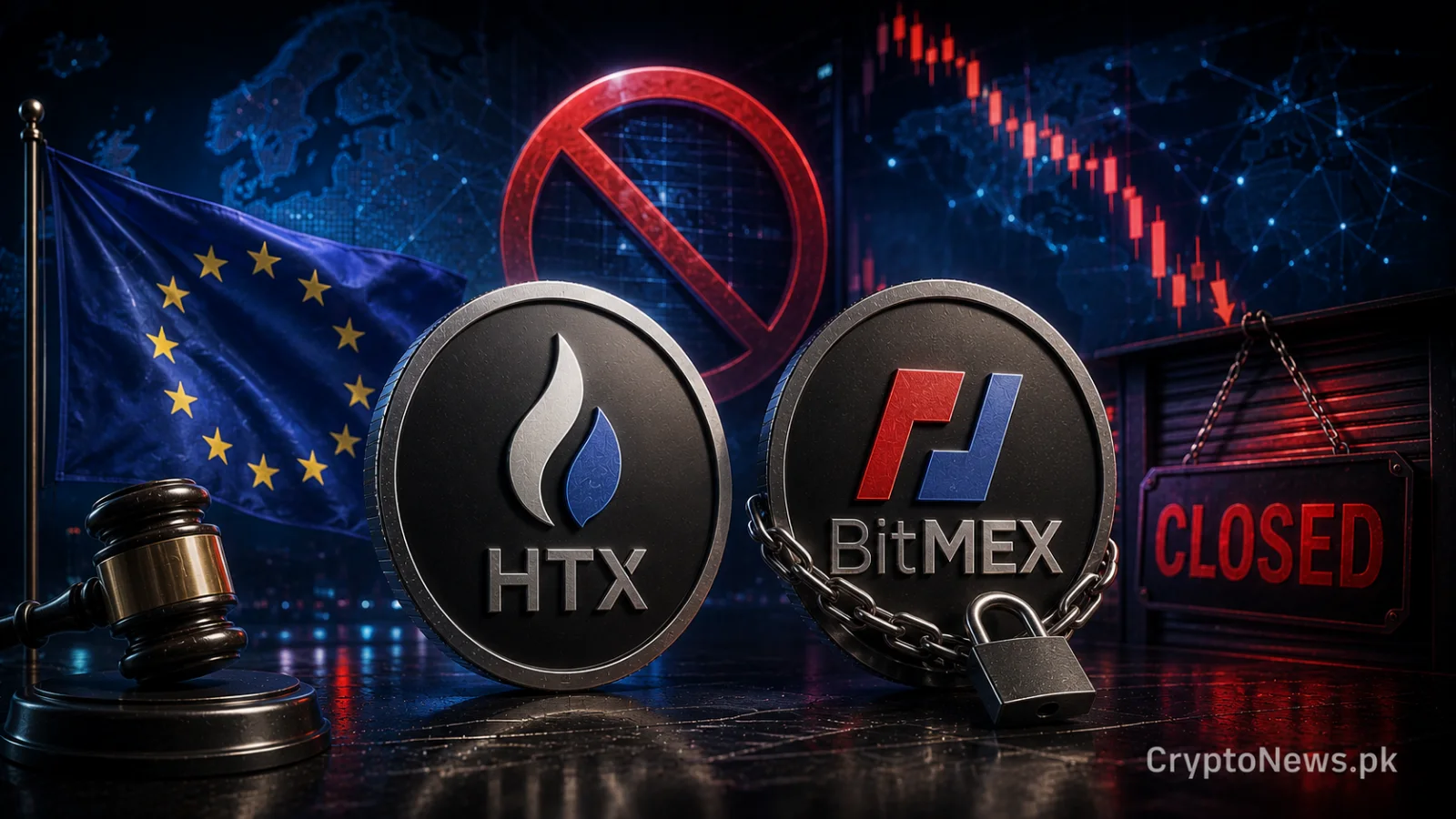
This week, the international cryptocurrency market experienced significant turbulence as major exchanges announced structural changes and faced increased regulatory pressure. According to Reuters, the exchange HTX has become entangled in European Union sanctions, while the derivatives platform BitMEX has confirmed plans to shut down its operations. These developments highlight the ongoing challenges exchanges face as they attempt to balance global growth with tightening international compliance standards.
Regulatory Scrutiny on HTX
The involvement of HTX in European Union sanctions marks a notable development for the exchange, which has long been a fixture in the global trading environment. While specific details regarding the extent of the sanctions remain under review, the situation underscores the growing importance of jurisdictional compliance for centralized platforms. Observers note that such actions often lead to restricted access for users in affected regions and force platforms to reassess their operational footprints.
The BitMEX Wind Down
Simultaneously, BitMEX has officially announced that it will cease its operations. Known for its role in pioneering crypto derivatives, the platform has been a significant player in the market for years. The decision to close marks the end of a chapter for a platform that once dominated the trading volume landscape. Users are now facing the transition process, which typically involves the withdrawal of assets and the closure of open positions before the final deadline set by the company.
The Pakistan Angle
For Pakistani crypto enthusiasts and investors, these global shifts serve as a reminder of the risks associated with using offshore, non-regulated exchanges. While Pakistani users often rely on international platforms to access liquidity, the closure or sanctioning of these entities can lead to frozen assets or difficult recovery processes. Given that the Federal Board of Revenue (FBR) and local authorities continue to monitor digital asset activity, Pakistani holders are encouraged to prioritize self-custody solutions. Relying on platforms that lack a clear regulatory status in their home jurisdictions exposes local users to unnecessary counterparty risk, especially as the regulatory environment in Pakistan remains focused on preventing illicit financial flows.
Navigating Market Uncertainty
The broader implications for the market are clear: regulatory compliance is no longer optional for major exchanges. As authorities globally increase their oversight of digital asset service providers, the industry is moving toward a more transparent, albeit more restricted, model. Investors should remain vigilant regarding the status of their preferred exchanges and ensure that they have contingency plans for their digital assets in the event of sudden service interruptions.
Pakistani investors should prioritize the security of their digital assets by moving funds to cold storage rather than leaving them on international exchanges that may face sudden regulatory or operational shutdowns.