Bridging Traditional Equity and Digital Assets
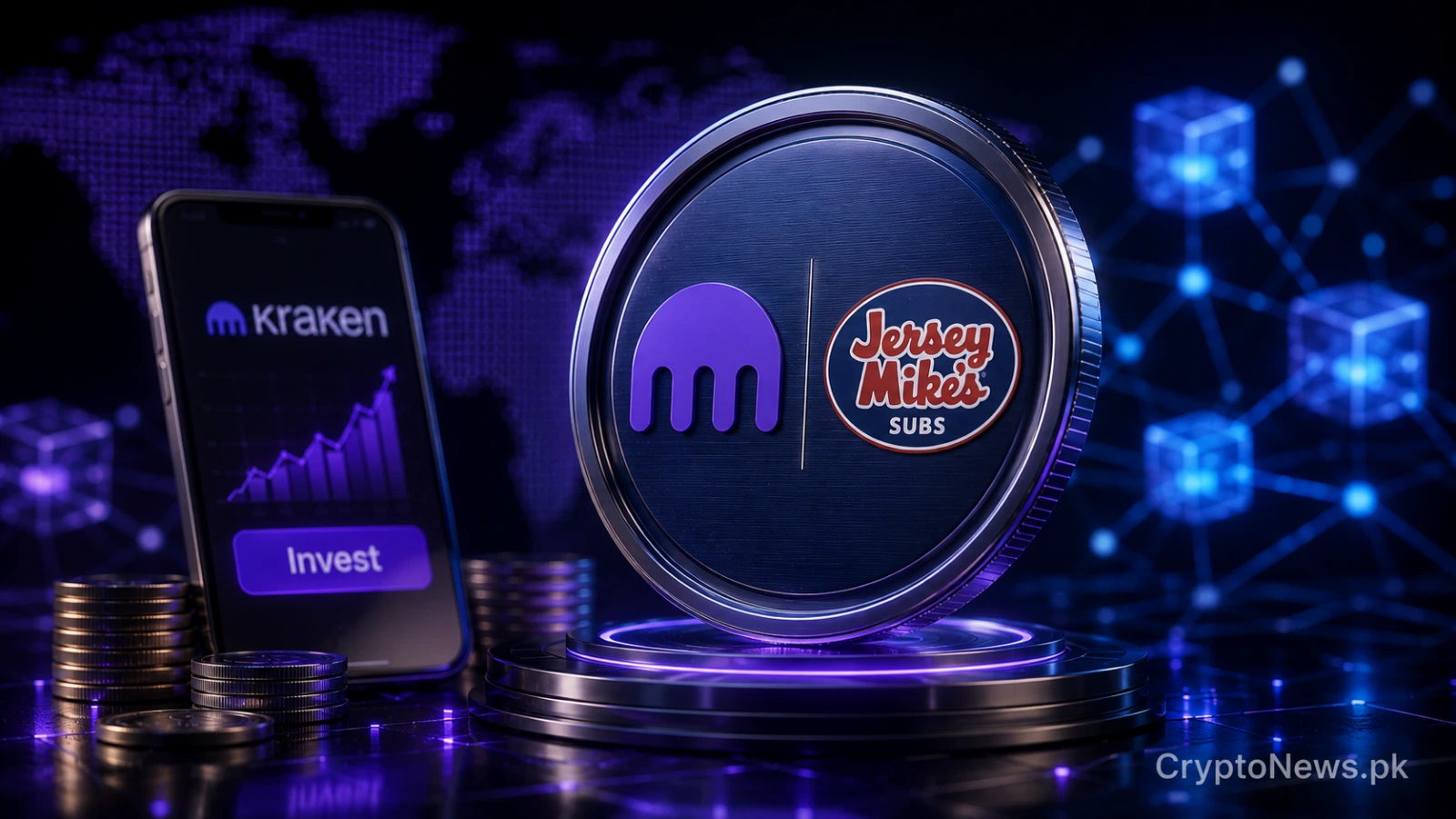
On November 20, 2024, crypto exchange Kraken announced a new initiative allowing retail investors to participate in the upcoming initial public offering of Jersey Mike’s. According to Cointelegraph, the platform is offering eligible United States users the ability to request IPO allocations, while international customers across more than 110 countries can access tokenized versions of the shares.
These tokenized shares are designed to be backed one to one by the underlying stock. This structure aims to provide a seamless bridge between conventional equity markets and the decentralized nature of blockchain technology. By utilizing tokenization, Kraken seeks to lower the barriers to entry for participants who might otherwise face challenges accessing traditional IPO processes.
The Mechanics of Tokenized Ownership
The tokenization process involves creating a digital representation of traditional financial assets on a blockchain. Kraken stated that this approach ensures that each digital token corresponds directly to a share of the company, providing transparency and verifiable ownership for the holder. This mechanism is part of a broader trend where major financial platforms experiment with asset digitization to increase liquidity and accessibility.
Market analysts suggest that this development reflects a growing appetite for hybrid investment products. By integrating traditional corporate shares into a crypto exchange environment, Kraken is attempting to consolidate the investment experience for users who are already active in the digital asset space. The move highlights how established exchanges are diversifying their offerings beyond native cryptocurrencies like Bitcoin or Ethereum.
Global Reach and Regulatory Considerations
The rollout spans over 110 countries, though the specific availability of these products often depends on local regulatory frameworks. While US investors have access to direct IPO allocations, international users are primarily engaging with the tokenized equity product. Kraken has emphasized that these offerings are subject to strict compliance standards to ensure that the tokenized assets remain fully backed by the underlying securities.
Regulatory scrutiny remains a significant factor for any platform offering tokenized securities. As these products gain traction, global regulators are expected to continue monitoring how exchanges manage the custody of underlying assets and the transparency of the tokenization process. Investors are encouraged to review the specific terms of service provided by the platform regarding the legal status of these tokens in their respective jurisdictions.
Impact on Pakistani Crypto Holders
For Pakistani crypto holders, the impact of this development is currently limited due to the local regulatory environment. The State Bank of Pakistan and the Securities and Exchange Commission of Pakistan maintain a cautious stance on digital assets, and most international exchanges face restricted access or banking hurdles within the country. Furthermore, the Federal Board of Revenue requires clear tax reporting on all foreign income, which can be complex when dealing with tokenized equity products.
While this innovation represents a significant leap in global financial inclusion, Pakistani users should remain aware that accessing foreign tokenized stocks through international platforms may involve significant legal and financial risks. Local investors should prioritize compliance with existing PVARA guidelines and ensure that any investment activity aligns with the current legal status of digital assets in Pakistan. The lack of a formal framework for tokenized securities means that local protections are currently unavailable for such international products.
Pakistani investors should exercise caution and prioritize local regulatory compliance before attempting to access international tokenized equity offerings.