The European Regulatory Warning
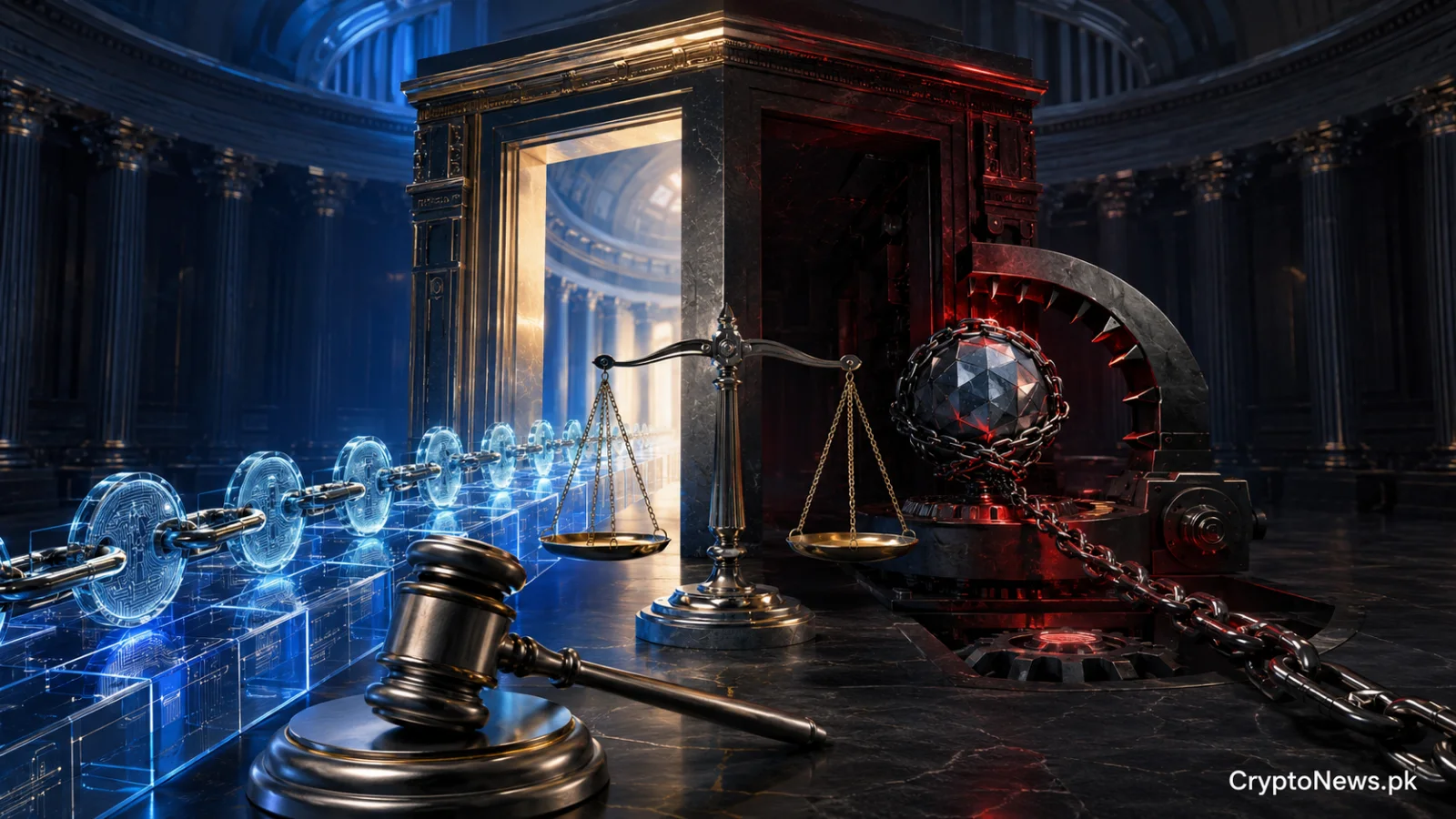
The European Securities and Markets Authority (ESMA) released a report on October 24, 2024, warning that the deepening connections between digital assets and traditional financial systems could amplify systemic risks. According to the regulator, the expansion of tokenized equities, decentralized finance (DeFi) protocols, and prediction markets represents a significant shift that requires closer oversight to prevent potential contagion during market volatility.
Key Areas of Concern
ESMA identified three primary channels through which crypto-related risks might flow into the broader economy. The regulator specifically pointed to the rise of tokenized assets, which bridge the gap between legacy stocks and blockchain technology. Furthermore, the report noted that exploits within DeFi ecosystems and the increasing popularity of prediction markets could lead to unexpected liquidity crunches or market manipulation that traditional safeguards are not currently equipped to manage.
"The growing interconnectedness between crypto-assets and the traditional financial system could amplify risks to financial stability," ESMA stated in its latest risk assessment. The agency emphasized that while the current scale of these interactions remains limited, the rapid pace of innovation necessitates a proactive regulatory approach to ensure that traditional market integrity is maintained.
Global Market Implications
Financial analysts suggest that this warning reflects a growing consensus among global regulators that cryptocurrencies can no longer be viewed as isolated assets. As institutional interest in blockchain-based financial products continues to grow, the potential for cross-market shocks increases. The ESMA report serves as a reminder that the boundary between regulated securities and decentralized digital assets is becoming increasingly porous, complicating the task for central banks and market watchdogs.
The Pakistan Angle
For Pakistani crypto holders, the ESMA warning highlights the importance of global regulatory trends that eventually influence local policy. While Pakistan does not yet have a formal framework for tokenized equities or mainstream DeFi integration, the Federal Board of Revenue (FBR) and the State Bank of Pakistan continue to monitor how digital assets interact with the PKR and the local banking sector. Pakistani investors should remain aware that international regulatory shifts often precede stricter local compliance requirements, particularly regarding the use of centralized exchanges and the reporting of digital asset holdings for tax purposes.
Moving Toward Oversight
Regulatory bodies worldwide are currently debating how to balance the benefits of blockchain efficiency with the need for consumer protection. ESMA's stance suggests that future policy will likely focus on stricter transparency requirements for entities that act as bridges between crypto and traditional finance. As the landscape evolves, local market participants should prioritize platforms that emphasize regulatory compliance and security.
Pakistani investors should monitor global regulatory developments closely, as they often signal future changes in local compliance requirements for digital asset holdings.