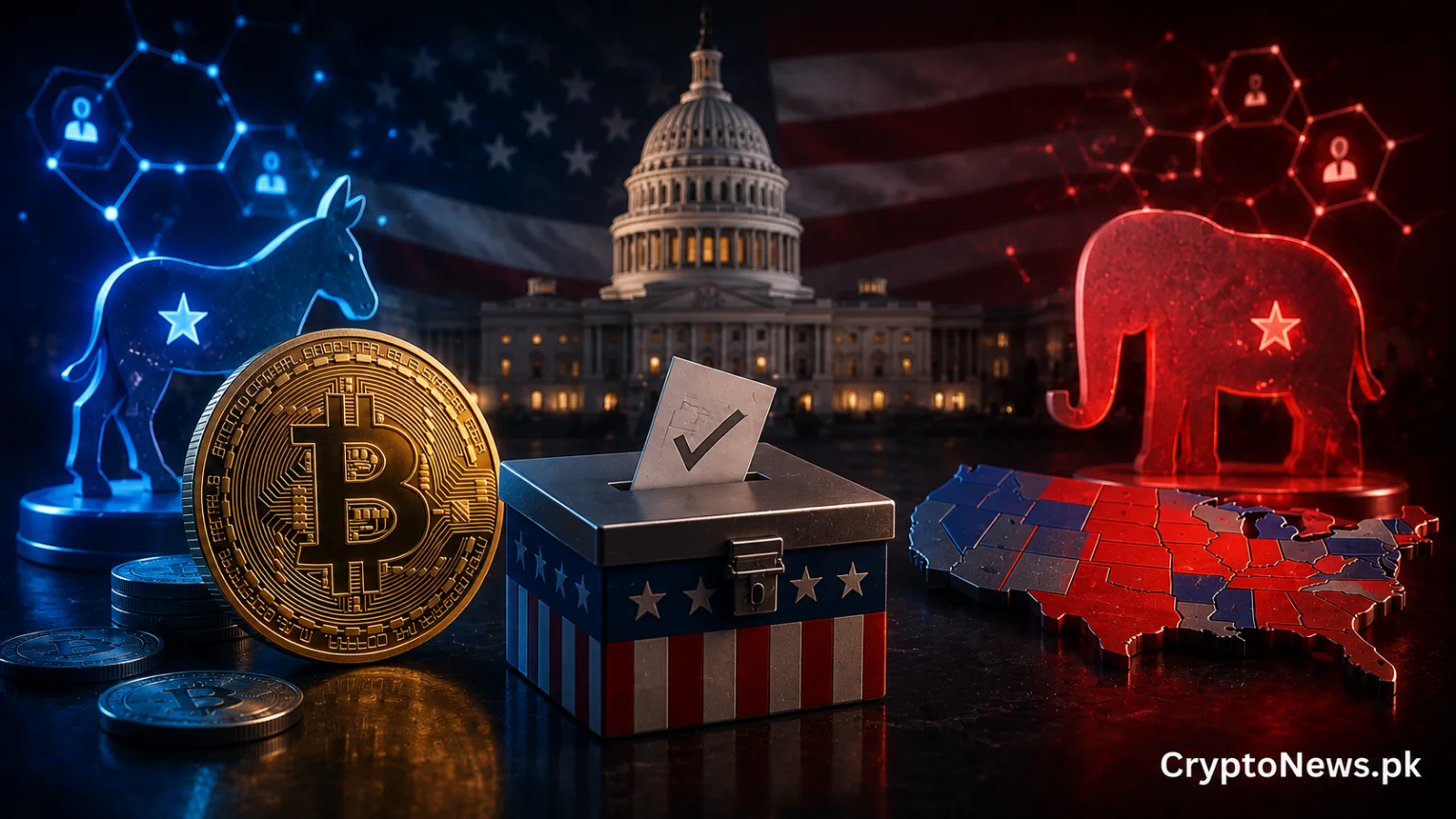
The Influence of Crypto PACs in U.S. Primaries
During the recent primary election cycle, cryptocurrency-backed political action committees, most notably Fairshake, have actively participated in congressional races across the United States. According to The Block, Fairshake successfully supported several candidates in Michigan and Washington, including Bill Huizenga, Suzan DelBene, Kim Schrier, Marilyn Strickland, and Amanda McKinney. These efforts are part of a broader strategy by the digital asset industry to support lawmakers who are viewed as favorable toward crypto innovation and regulatory clarity.
Mixed Outcomes in Michigan
While some candidates backed by crypto interests secured victories, the industry also faced notable challenges. Cointelegraph reported that a significant investment of $2 million by a crypto-aligned PAC failed to prevent the defeat of an incumbent in a Midwest Democratic primary. This outcome highlights the complexity of political campaigning, where industry support does not always guarantee a win against local political dynamics or incumbent challenges.
Strategic Industry Objectives
The primary focus for these PACs is to ensure that future U.S. legislation remains supportive of blockchain technology and digital assets. By backing candidates across both major political parties, these organizations aim to build a bipartisan coalition in Congress. Supporters argue that this approach helps foster a stable environment for technological growth, while critics often debate the role of large-scale corporate funding in local democratic processes.
Implications for Pakistani Crypto Holders
For Pakistani crypto enthusiasts, these U.S. political developments may seem distant, yet they carry long-term global implications. The regulatory environment in the United States often sets the tone for international standards, which eventually influence how global exchanges operate and how financial authorities, such as the FBR or the State Bank of Pakistan, view digital assets. While there is no direct impact on the PKR or local remittance channels at this moment, a more favorable U.S. regulatory landscape could lead to increased institutional adoption and stability for global crypto markets. Pakistani users should continue to monitor how these legislative shifts affect the availability of international platforms and the overall security of the digital asset ecosystem.
Looking Ahead
As the U.S. election season progresses, the influence of crypto-focused funding will likely remain a topic of intense discussion. Market participants are watching these races closely to gauge the potential for future policy changes in the world's largest economy. Whether these investments will lead to meaningful legislative progress remains to be seen as the political landscape continues to evolve.