The Shift Toward Manual Entropy
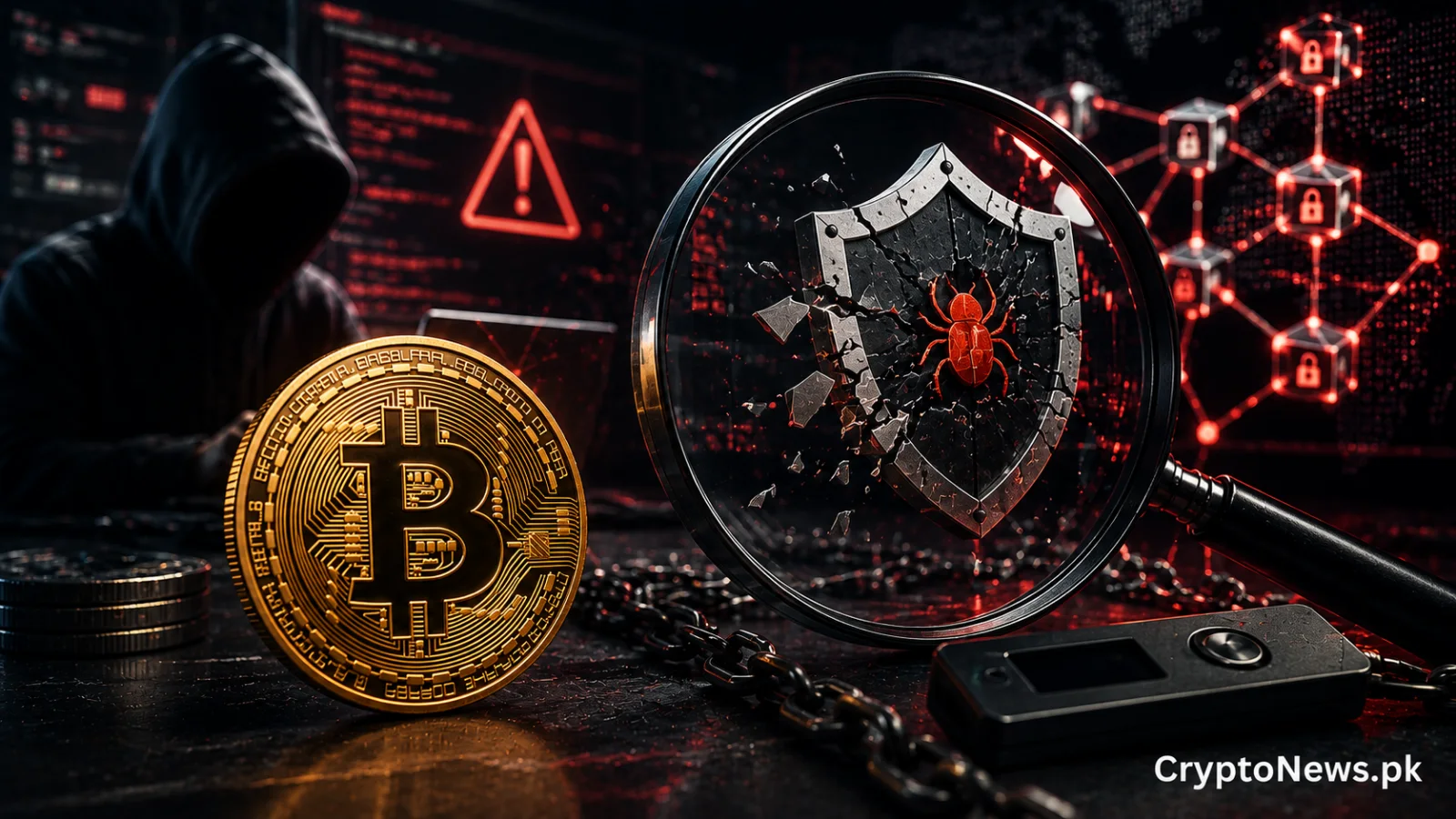
Recent discussions within the Bitcoin community have highlighted a shift in how users approach self-custody security, particularly following concerns over hardware wallet firmware vulnerabilities. According to Cointelegraph, many Bitcoiners are re-evaluating their reliance on digital random number generators embedded in hardware devices. Instead, some are turning to manual methods, such as dice rolls, to generate the entropy required for their seed phrases.
This move toward physical randomness is motivated by a desire to minimize reliance on third-party manufacturers. By using a series of dice throws to create a private key, users can ensure the process remains offline. This method, known as dice entropy, allows individuals to generate their own cryptographic material without relying solely on the hardware wallet's internal software, which could potentially be compromised.
Understanding Digital Randomness
Hardware wallets are designed to be secure, but they rely on internal components to generate the secret numbers that form a user's recovery seed. Some in the Bitcoin community have expressed concern that if a manufacturer's firmware contains a flaw, the randomness of these keys could theoretically be impacted. This has prompted a segment of the community to embrace more transparent, manual processes.
Experts suggest that while hardware wallets remain effective for many, advanced security practices are becoming more common as the ecosystem matures. By documenting their own entropy, users can create a backup that is independent of any specific device. This approach aligns with the principle of self-sovereignty, where the user maintains control over their assets without relying on a central entity.
The Pakistan Perspective
For Pakistani crypto enthusiasts, these developments underscore the importance of understanding the technical foundations of self-custody. The State Bank of Pakistan has historically maintained a cautious stance on digital assets, often citing risks regarding financial stability and anti-money laundering compliance. Consequently, many local users utilize decentralized wallets to manage their holdings independently of centralized platforms.
This shift toward manual entropy is relevant for Pakistani holders who prioritize long-term security, especially as they navigate the volatility of the PKR against major global currencies. While non-custodial solutions offer a way to manage wealth, users must exercise caution. Manual methods require extreme precision and secure storage of the resulting physical backup, as losing a dice-generated seed phrase is irreversible. This article does not constitute financial advice.
Best Practices for Secure Storage
Regardless of the method used to generate a seed phrase, the physical security of the backup remains paramount. Whether using dice or a hardware device, the recovery phrase must be stored in a secure, fireproof, and hidden location. Some users are opting for durable materials to ensure their keys survive environmental hazards.
As the industry evolves, the focus on user-controlled security is likely to grow. By taking a proactive approach to how private keys are generated and stored, Bitcoin holders can mitigate risks associated with hardware failures. This evolution represents a broader trend of individual responsibility within the global digital asset market.