














The Security Vulnerability Explained
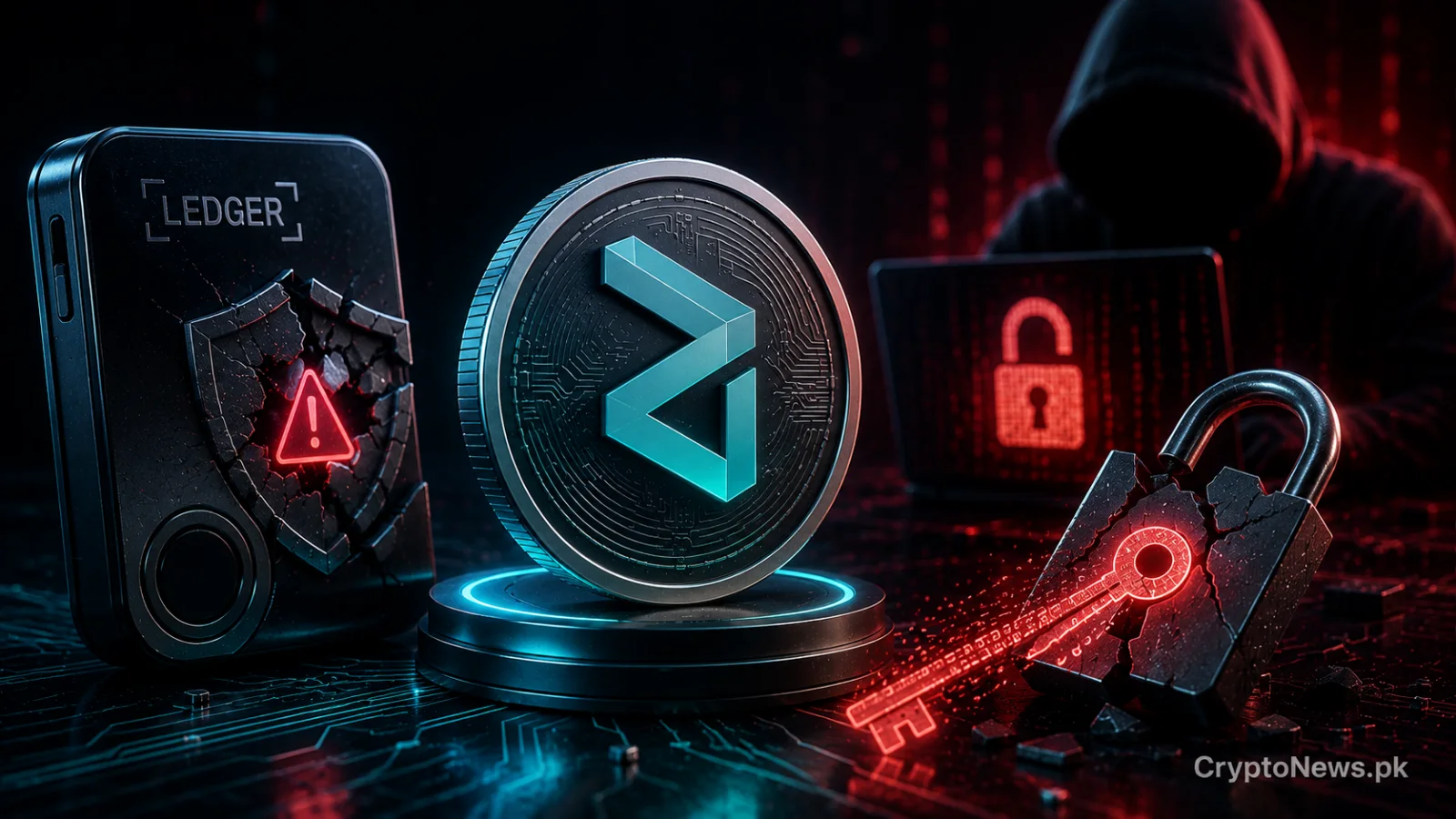
A significant security flaw has been identified within the Zilliqa application designed for Ledger hardware wallets. According to reports from Cointelegraph, this vulnerability allows attackers to reconstruct a user's private keys by leveraging publicly accessible data stored on the blockchain. The flaw essentially undermines the core security promise of hardware wallets, which is to keep sensitive cryptographic keys isolated from the internet and potential bad actors.
Potential Impact on Users
The nature of this exploit means that if a user has interacted with the Zilliqa network using the compromised application, their funds could be at risk of unauthorized access. Because the reconstruction relies on onchain data, the attack does not necessarily require direct access to the physical device. Security experts are advising users to move their ZIL holdings to a secure, unaffected wallet address immediately until a permanent fix is verified and deployed by the Zilliqa development team.
Response and Mitigation
In response to the discovery, developers are working to address the underlying code issues within the Ledger application. Users who rely on Ledger devices for cold storage are encouraged to monitor official announcements from the Zilliqa ecosystem regarding software updates. It is standard practice in such security incidents to generate a new wallet address and transfer assets to ensure that any previously exposed keys are rendered useless to potential attackers.
The Pakistan Angle
For crypto holders in Pakistan, this incident serves as a stark reminder of the risks associated with hardware wallet applications and third party integrations. While many Pakistani investors utilize Ledger devices to secure their assets against local exchange volatility or potential platform failures, they are not immune to software specific vulnerabilities. Users should verify that their firmware and individual app versions are updated to the latest releases. Furthermore, given the current regulatory climate in Pakistan and the lack of formal consumer protection for digital assets, the responsibility for asset security rests entirely with the individual holder. It is vital to remain vigilant regarding security patches and to avoid keeping large portions of a portfolio on a single wallet interface that has been flagged for security concerns.
Maintaining Digital Hygiene
Beyond this specific Zilliqa incident, the broader crypto community in Pakistan should prioritize robust security habits. This includes utilizing multisig wallets where possible, keeping seed phrases offline, and staying informed about security audits of the specific blockchain applications they use. By maintaining a proactive stance on digital hygiene, investors can better protect their holdings against both platform-specific bugs and broader cybersecurity threats.