Rising Physical Risks for Crypto Holders
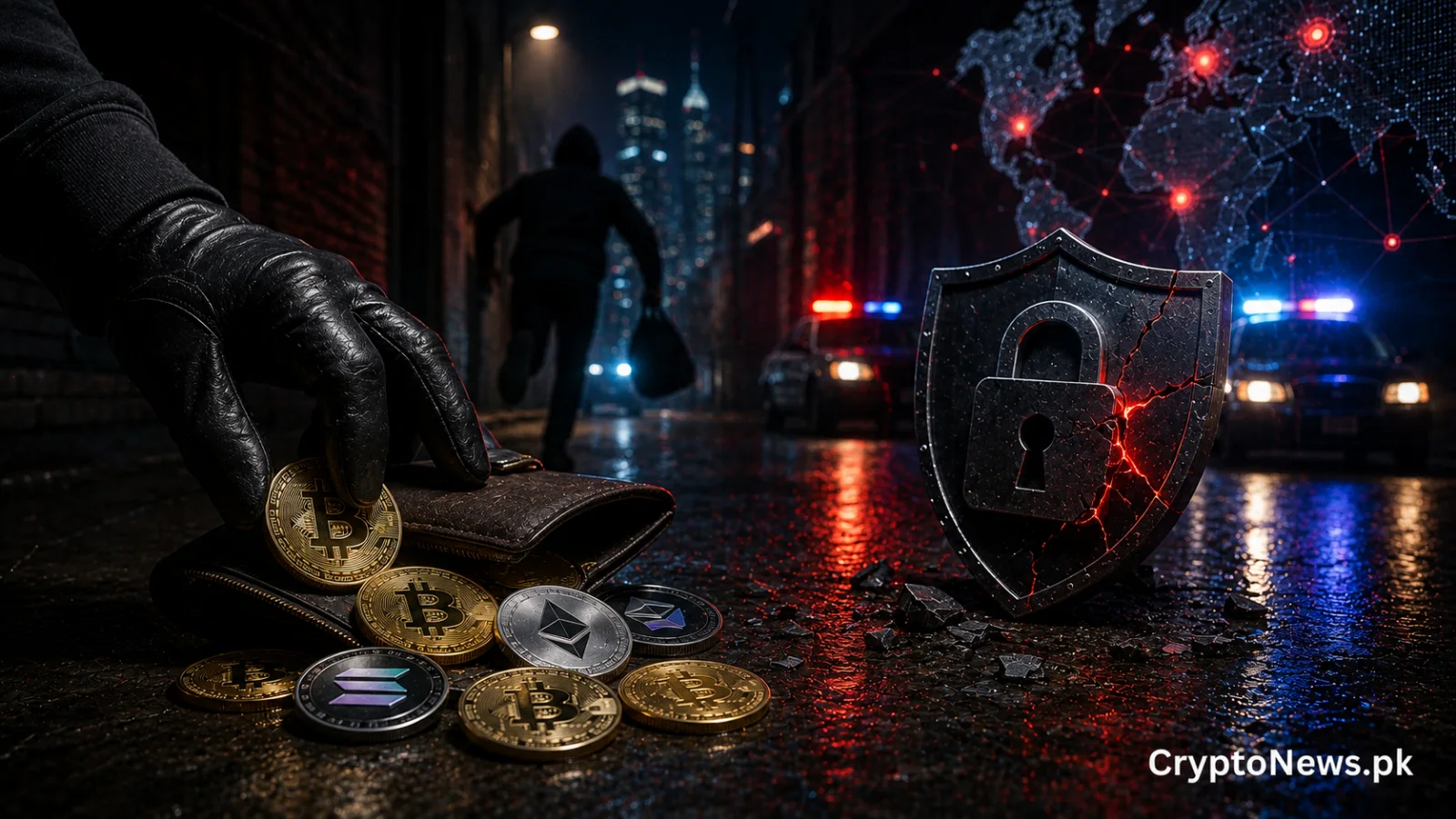
According to a report released by blockchain analytics firm Chainalysis, more than $30 million in cryptocurrency has been stolen through violent physical confrontations during the first half of 2026. These incidents, often referred to as wrench attacks, involve perpetrators using physical intimidation or home invasions to force victims to transfer digital assets from their wallets. Cointelegraph noted that while there were 46 documented attempts at such crimes, only 12 resulted in successful payments, indicating that many victims are resisting or have security measures in place.
France Emerges as a Crime Hotspot
Data provided by Chainalysis identifies France as the leading global hotspot for these violent crypto-related crimes. Decrypt reported that these attacks are becoming increasingly sophisticated, with some criminals employing advanced laundering techniques to obscure the movement of stolen funds once the initial transfer is coerced. The shift toward physical targeting suggests that as digital security protocols improve, bad actors are moving toward real world intimidation to bypass technical barriers.
The Evolution of Threat Vectors
Beyond simple home invasions, the nature of these attacks is diversifying. Reports indicate that attackers are increasingly leveraging data leaks to identify high net worth individuals, sometimes even targeting the relatives of crypto holders to gain leverage. This trend marks a significant shift in how digital asset crime is conducted, moving away from purely cyber-based exploits toward organized physical threats. Security experts emphasize that the anonymity of blockchain transactions remains a primary motivator for criminals who believe they can hide their tracks after a physical confrontation.
Implications for Pakistani Crypto Holders
For Pakistani crypto holders, the rise in global wrench attacks serves as a stark reminder of the importance of operational security. While Pakistan has not been identified as a primary hotspot in the Chainalysis report, local users should remain cautious about disclosing their holdings or wealth status on public forums or social media. In the context of Pakistan, where the regulatory environment remains complex and digital assets are often held in private wallets, the risk of physical targeting is a concern for those who manage large portfolios. Users should prioritize offline storage solutions, such as hardware wallets, and avoid sharing information about their crypto activities with individuals outside of a trusted circle. As the Federal Board of Revenue and other authorities continue to monitor digital asset activity, maintaining a low profile remains the most effective defense against both digital and physical threats.
Security Best Practices
Experts suggest that holders should treat their digital wealth with the same level of discretion as physical cash. Implementing multi-signature wallets and ensuring that recovery phrases are kept in secure, non-digital locations are essential steps for any investor. As these violent trends continue to evolve, the global crypto community is being urged to prioritize physical safety alongside cybersecurity measures to mitigate the risk of targeted theft.