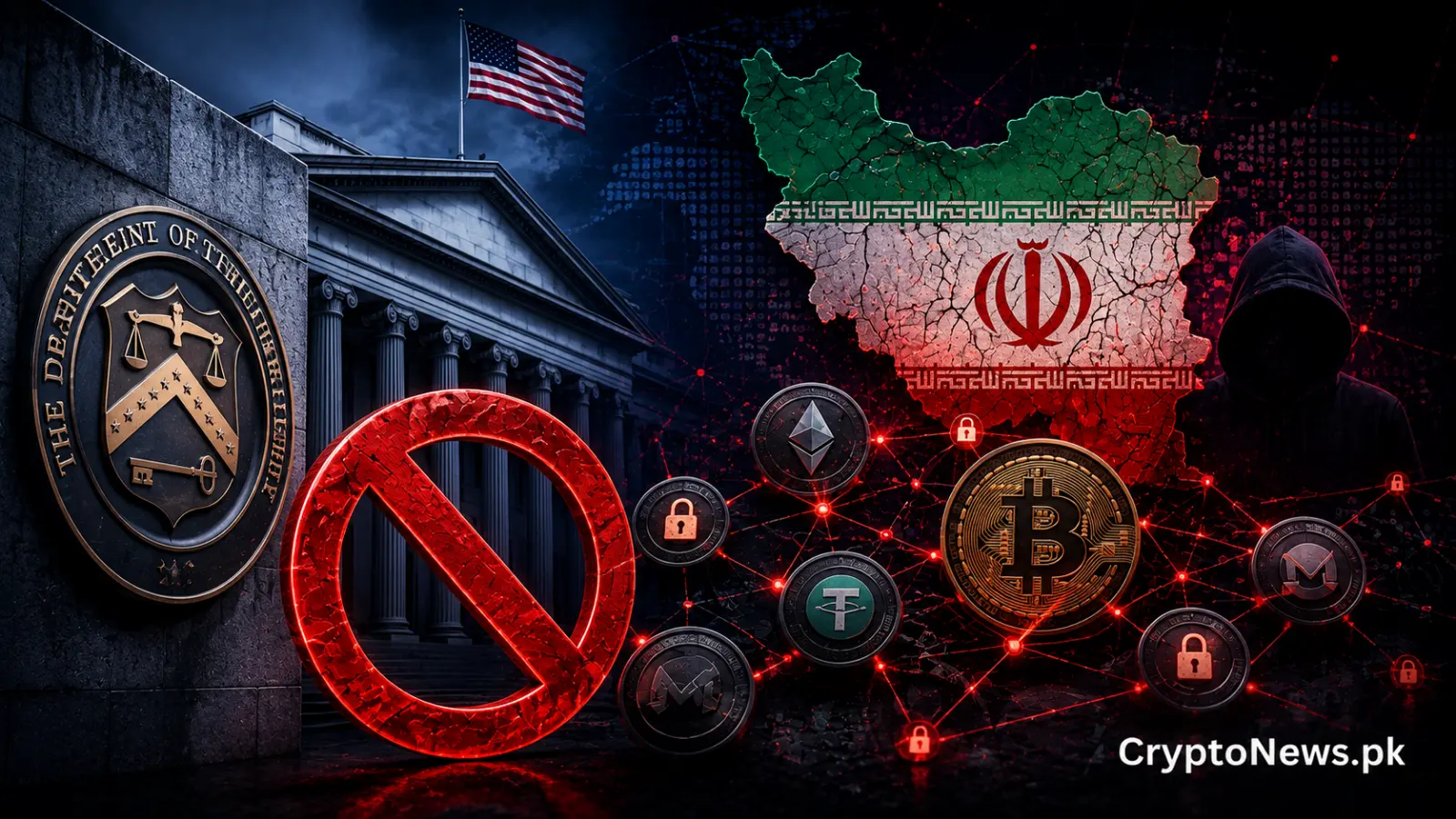
Treasury Targets Iran-Linked Crypto Infrastructure
The United States Treasury Department announced new sanctions targeting a cryptocurrency network allegedly operating on behalf of the Iranian government. According to Reuters, this action is part of a broader effort to disrupt financial channels that the US government claims are being used to bypass international sanctions and support regional activities. The move highlights the growing focus of global regulators on the intersection of digital assets and state-sponsored financial operations.
Understanding the Mechanism of Sanctions
These sanctions are designed to isolate the identified entities from the global financial system by freezing assets held within US jurisdiction and prohibiting American citizens or businesses from engaging in transactions with them. According to official statements from the Treasury, the network utilized various digital asset platforms to facilitate cross-border transfers. By targeting these specific nodes, the US aims to increase the cost of operations for entities attempting to circumvent existing economic restrictions.
Global Regulatory Scrutiny Increases
This development underscores a significant trend in international finance where digital assets are increasingly subject to the same anti-money laundering and counter-terrorism financing standards as traditional banking. Financial watchdogs worldwide are enhancing their monitoring capabilities to track blockchain transactions that may be linked to sanctioned actors. As digital asset adoption grows, regulators are prioritizing the transparency of exchanges and wallet providers to ensure compliance with global mandates.
Impact on the Pakistani Crypto Community
For Pakistani cryptocurrency holders, these international sanctions serve as a critical reminder regarding the importance of platform due diligence. While these specific sanctions target Iran-linked entities, they reinforce the necessity for local users to utilize reputable, KYC-compliant exchanges that adhere to international regulatory standards. Pakistani investors should be aware that interacting with platforms or wallets flagged by international authorities can lead to frozen accounts or restricted access to funds. Furthermore, the Federal Board of Revenue (FBR) and local financial authorities continue to monitor digital asset flows, meaning that any association with sanctioned entities could complicate tax compliance or legal standing within the country's evolving regulatory framework.
Moving Toward Compliance
The global crackdown on illicit crypto use is likely to continue as technology for tracking on-chain activity improves. For the average user, the best defense against regulatory complications is to stick to regulated, transparent platforms that maintain rigorous identity verification processes. As the landscape matures, the distinction between compliant and non-compliant actors will become even more pronounced, directly impacting how individuals manage their portfolios in a globalized digital economy.
Pakistani crypto users should prioritize security and regulatory compliance by exclusively using established, compliant exchanges to avoid potential issues with international financial monitoring.