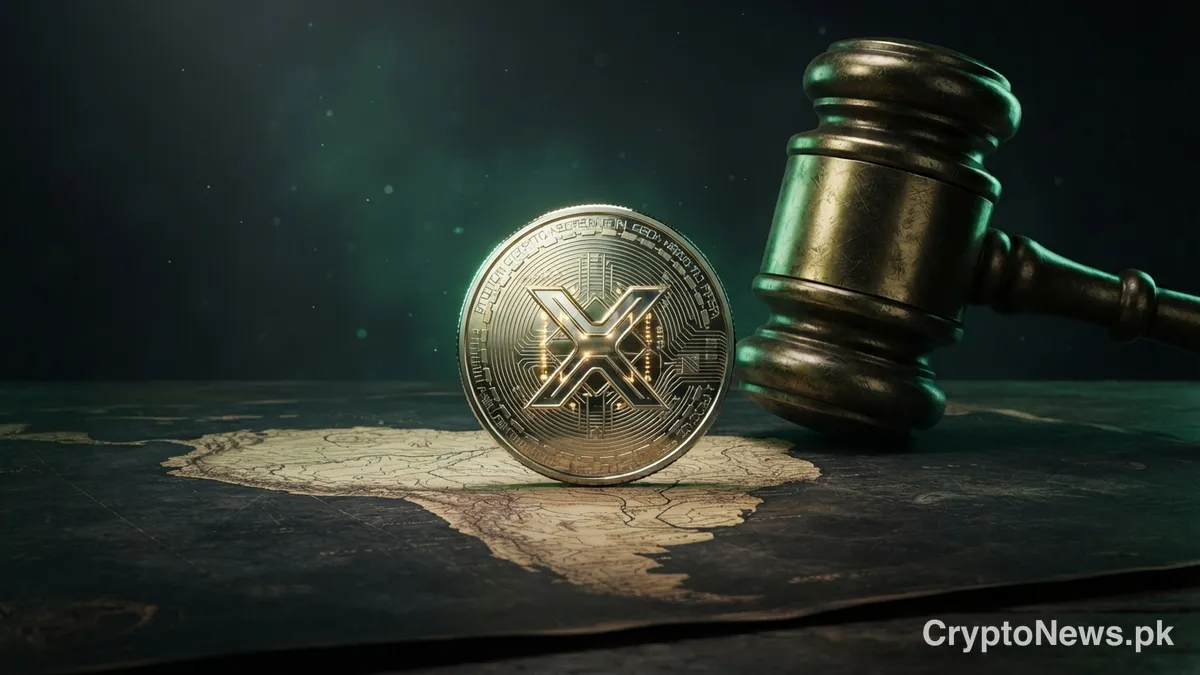
The Shift in Brazilian Digital Payments
Washington is increasingly focused on Brazil's evolving payment ecosystem, where dollar-pegged stablecoins have become the dominant medium for digital asset transactions. According to CoinDesk, these assets now account for approximately 90 percent of all cryptocurrency activity within the country. This trend persists even as the Brazilian government actively promotes Pix, its own government-backed instant payment system, and explores alternative channels for international trade.
Geopolitical Implications for the US Dollar
US policymakers are viewing the rise of non-dollar payment channels with caution, as they perceive these developments as a potential challenge to the dominance of the greenback in global commerce. While Brazil has been vocal about reducing its reliance on the US dollar for trade settlements with partners like China, the reality on the ground shows a strong preference for dollar-linked digital assets among the public. This creates a complex dynamic where the US dollar remains the preferred store of value in the crypto space, even as state-level actors seek to bypass traditional financial rails.
The Role of Stablecoins in Modern Finance
Stablecoins have effectively bridged the gap between traditional banking and the decentralized web in Brazil. By offering a digital version of the US dollar that is accessible 24/7, these assets provide a hedge against local currency volatility and facilitate faster cross-border settlements. Market observers note that the efficiency of these digital tokens often surpasses that of legacy banking systems, making them an attractive utility for both retail users and commercial enterprises looking to streamline operations.
Impact on Pakistani Crypto Holders
For Pakistani crypto enthusiasts, the Brazilian situation serves as a relevant case study on how emerging economies interact with global financial standards. While the State Bank of Pakistan continues to maintain a cautious stance on digital assets, the Brazilian model demonstrates that dollar-pegged stablecoins often serve as a primary gateway for citizens in inflationary environments. Pakistani holders should remain aware that any shift in US regulatory policy toward stablecoins could eventually influence the liquidity and availability of these assets on global exchanges accessible to local users. Furthermore, as the Federal Board of Revenue continues to refine its approach to digital asset taxation, monitoring how other developing nations manage stablecoin inflows provides a glimpse into potential future regulatory frameworks in Pakistan.
Looking Ahead
As the intersection of sovereign payment systems and private stablecoins becomes more crowded, the global financial landscape is likely to see increased scrutiny from regulators in major economies. The tension between maintaining dollar hegemony and embracing technological innovation in payments remains a defining theme for the coming decade. Whether these digital assets will be integrated into formal banking systems or continue to operate in a parallel economy remains a subject of intense debate among international policymakers.
Pakistani investors should monitor global stablecoin trends closely, as shifts in US policy regarding these assets could directly impact the accessibility and regulatory status of their digital holdings.