The Mechanics of Crypto-Backed Loans
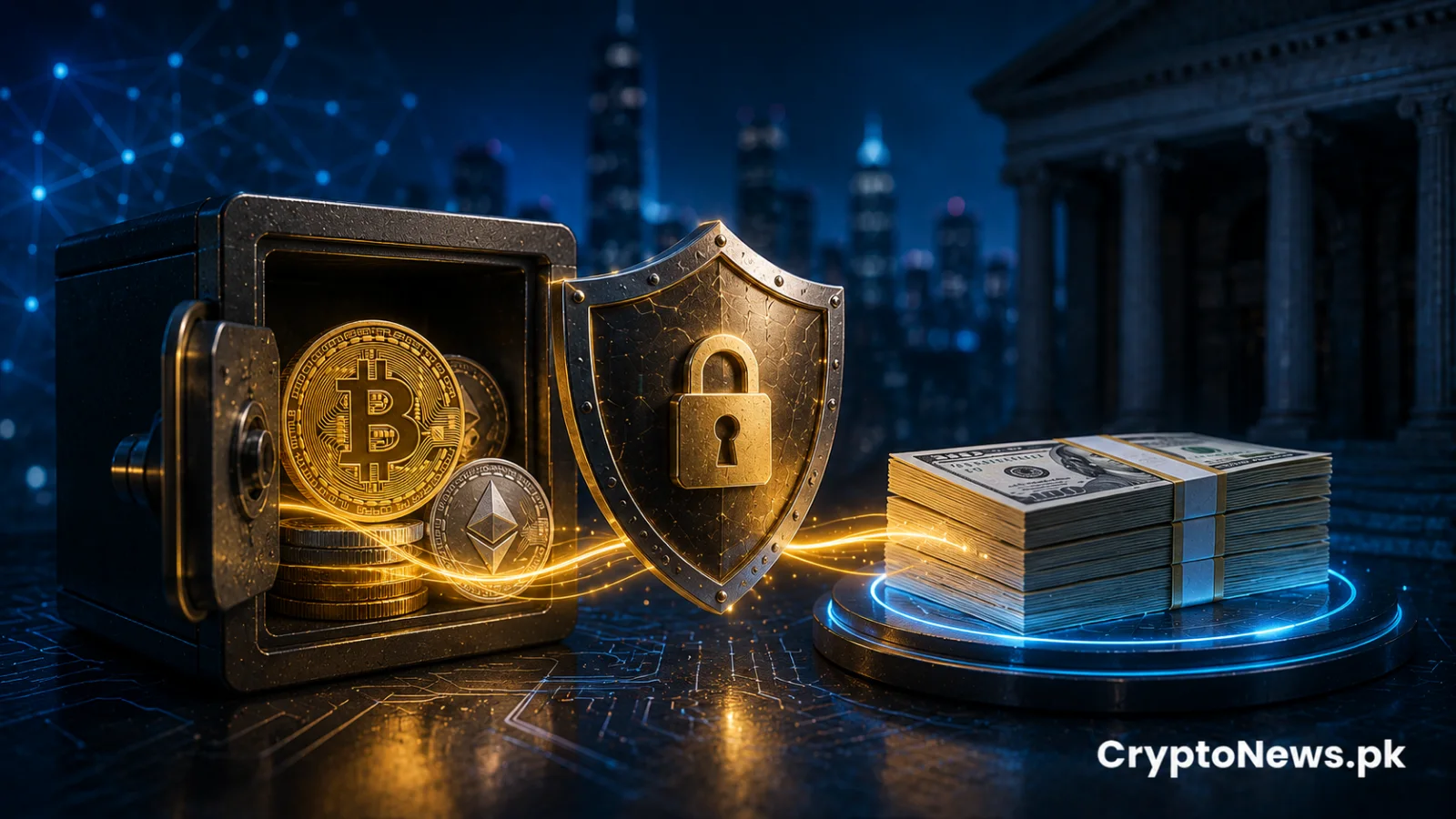
As of October 2024, crypto-backed loans have emerged as a prominent financial tool for investors who wish to access liquidity without liquidating their digital portfolios. According to Decrypt, these loans function similarly to traditional secured lending, where a borrower pledges assets such as Bitcoin, Ethereum, or Solana as collateral to secure a loan in fiat currency or stablecoins.
The primary advantage of this model is the ability to maintain market exposure. By using assets as collateral, the borrower avoids a taxable event that would otherwise occur if they were to sell their holdings to generate cash. This approach allows investors to retain ownership of their digital assets while simultaneously addressing short term capital requirements.
Managing Risk and Loan-to-Value Ratios
Lenders typically enforce a Loan-to-Value (LTV) ratio to protect against the inherent volatility of the cryptocurrency market. The LTV represents the percentage of the collateral value that a borrower can receive as a loan. If the value of the pledged crypto drops significantly, the borrower may face a margin call, requiring them to add more collateral or pay down the loan balance to maintain the agreed upon ratio.
Failure to meet these requirements can lead to the automatic liquidation of the collateral by the lending platform. Investors are encouraged to monitor their portfolios closely, as market fluctuations can rapidly alter the status of a loan. Understanding these risks is essential for anyone considering leveraging their digital assets for credit.
The Pakistan Context for Digital Asset Holders
For Pakistani crypto enthusiasts, the landscape surrounding crypto-backed loans remains complex due to the current regulatory framework. While global platforms offer these services, Pakistani users should be aware that local financial regulations do not explicitly support or protect crypto-based lending activities. The Federal Board of Revenue (FBR) continues to monitor digital asset transactions, and the lack of a clear legal status for crypto exchanges in Pakistan means that users often rely on international platforms that may not be accessible or compliant with local banking laws.
Furthermore, the volatility of the Pakistani Rupee (PKR) adds an extra layer of risk when borrowing against crypto assets. If a user takes a loan in a stablecoin or foreign currency, they must account for potential currency fluctuations in addition to the volatility of the underlying crypto collateral. Engaging with these platforms requires significant caution regarding tax reporting and the legal status of digital asset custody within the country.
Evaluating the Utility of Secured Lending
Crypto-backed loans provide a flexible alternative to traditional banking for those deeply integrated into the digital economy. By avoiding the need to exit positions, investors can potentially benefit from long term price appreciation while meeting immediate financial needs. However, the necessity of over-collateralization means that these loans are often less efficient than traditional unsecured credit.
Before engaging with any lending protocol, users should conduct thorough due diligence on the platform's security measures and history. Ensuring that the lending entity is reputable and transparent about their liquidation policies is a critical step in protecting one's digital wealth. As the ecosystem matures, more standardized practices may emerge, but for now, the responsibility for risk management lies entirely with the individual investor.