The Parliamentary Inquiry
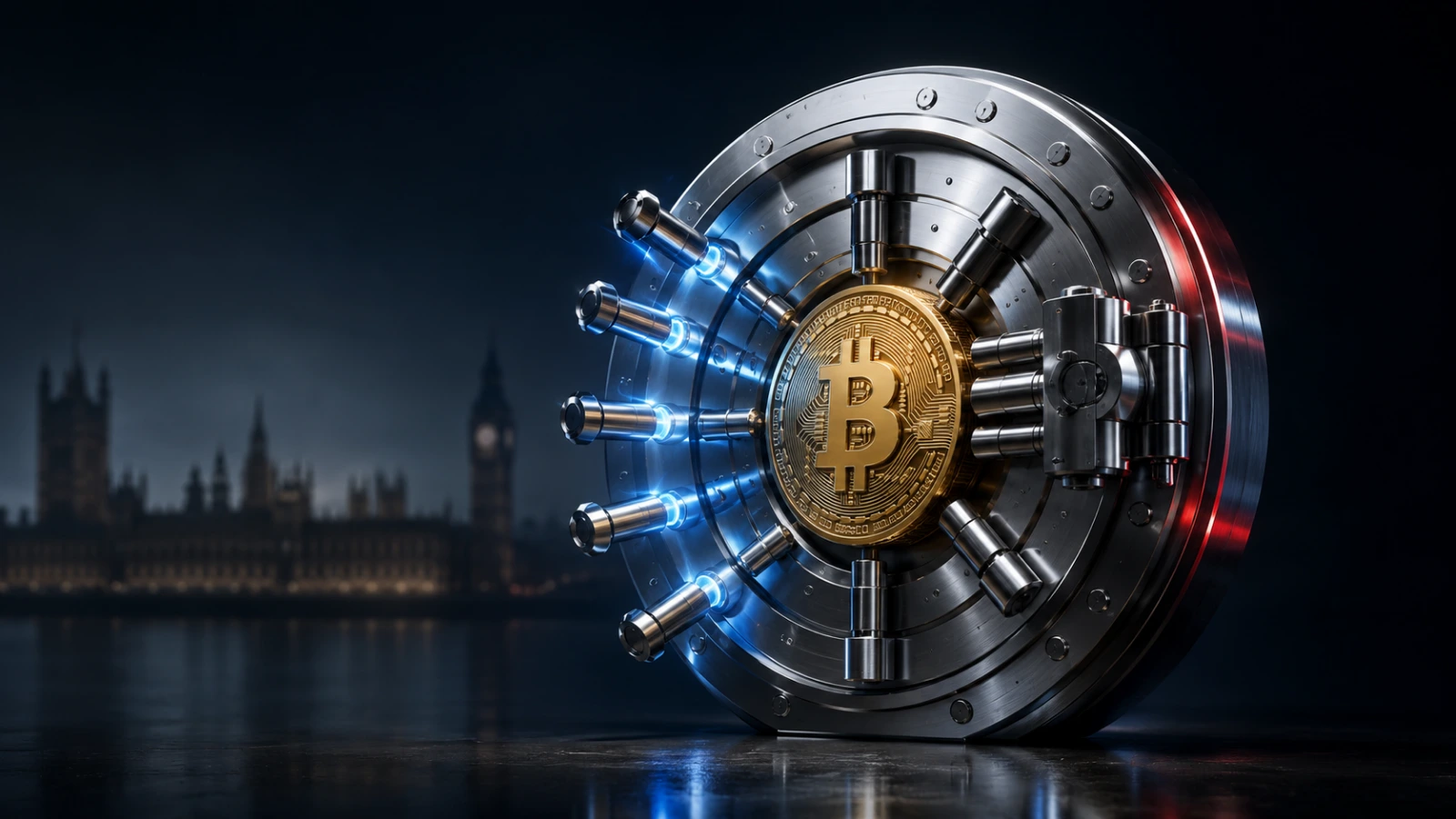
The UK’s Crypto and Digital Assets All-Party Parliamentary Group (APPG) has officially launched an inquiry into the banking chokepoints affecting the digital asset industry. According to CoinDesk, the group is focused on investigating why major financial institutions have consistently refused to provide business accounts to crypto firms or have introduced stringent restrictions on retail transactions involving digital assets. This move marks a significant step in the UK government’s attempt to understand the friction between traditional finance and the emerging blockchain sector.
Understanding the Banking Chokepoint
Many crypto-native businesses have reported that they are frequently denied access to basic banking services, which are necessary for payroll, operational costs, and fiat-to-crypto gateways. The APPG inquiry aims to gather evidence on whether these banking policies are based on objective risk assessments or if they represent a broader institutional bias against the industry. By examining these barriers, lawmakers hope to determine if current financial regulations are inadvertently stifling innovation within the United Kingdom.
Global Regulatory Context
This inquiry occurs as the UK seeks to position itself as a global hub for crypto-asset technology. While the government has expressed interest in fostering a regulated environment, the lack of cooperation from the traditional banking sector remains a primary obstacle. Industry advocates have long argued that without access to banking infrastructure, legitimate crypto companies cannot operate effectively, forcing them to seek services in more permissive jurisdictions. The findings from this parliamentary group could influence future policy decisions regarding how banks are required to interact with digital asset service providers.
The Pakistan Angle
For Pakistani crypto holders and local startups, the UK’s struggle with banking access provides a familiar narrative. In Pakistan, the banking sector has historically maintained a cautious, and often restrictive, stance toward crypto-related transactions due to the prevailing regulatory ambiguity. While the UK is moving toward a parliamentary inquiry to resolve these conflicts, Pakistani users continue to face challenges when attempting to move funds from local bank accounts to global exchanges. Investors in Pakistan should remain aware that the global trend of banking friction is not isolated and that local regulatory bodies, such as the FBR or the State Bank of Pakistan, often mirror these cautious international stances when assessing the risks of digital assets.
Looking Ahead
The results of the APPG inquiry are expected to provide a clearer framework for how financial institutions should assess crypto-related risks. As the UK continues to refine its legislative approach, the global crypto community will be watching to see if these findings lead to more inclusive banking policies. For the Pakistani reader, it is essential to monitor these international developments as they often serve as a blueprint for how emerging markets may eventually integrate or regulate digital assets within their own banking systems.
While international regulatory shifts provide insight into the future of crypto, Pakistani investors should always prioritize local compliance and security when managing their digital assets.