A Shift in DeFi Capital Allocation
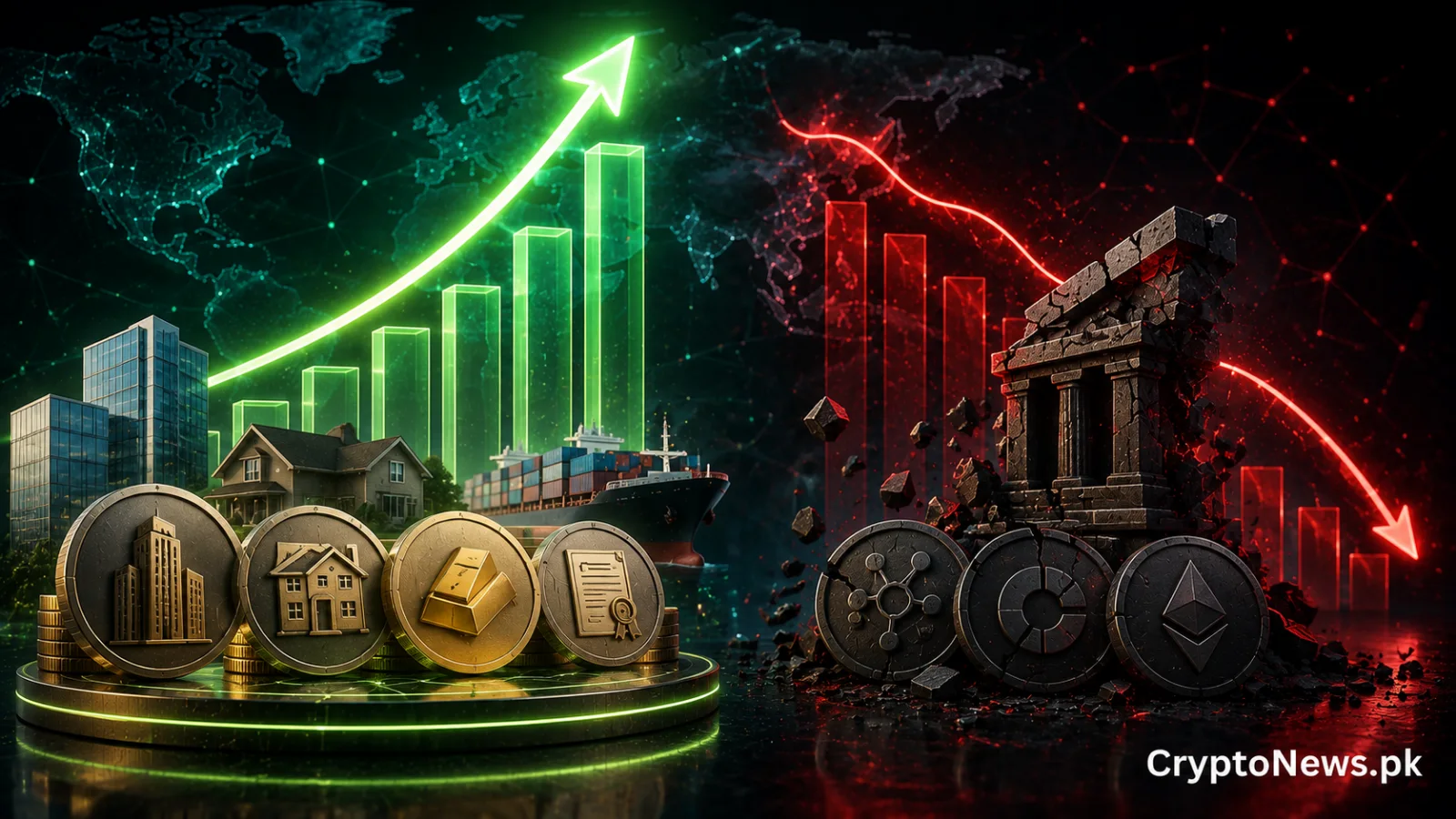
Tokenized real-world assets (RWAs) have experienced a significant growth trajectory, with deposits into lending platforms and decentralized exchanges (DEXs) rising from $2.3 billion in the second quarter of 2025 to $7.4 billion by the second quarter of 2026. This data, reported by CoinShares, highlights a divergence in investor behavior within the blockchain ecosystem. While the total value locked in broader decentralized finance (DeFi) protocols contracted by 15 percent during the same period, interest in tokenized assets has more than tripled.
Understanding the RWA Trend
Real-world assets refer to physical or financial instruments, such as government bonds, real estate, or precious metals, that are brought onto a blockchain through tokenization. By representing these assets as digital tokens, investors can trade them with increased transparency and fractional ownership. The recent surge suggests that institutional and retail participants are increasingly seeking exposure to stable, yield-bearing assets that are anchored in traditional finance rather than purely speculative crypto-native tokens. This trend reflects a broader move toward integrating traditional financial instruments into the digital asset infrastructure.
Market Implications and Adoption
Market analysts suggest that the resilience of RWAs during a market downturn indicates a maturation of the DeFi landscape. As the volatility of traditional crypto assets continues to challenge risk-averse investors, the ability to earn yields on tokenized versions of treasury bills or corporate debt provides a compelling alternative. This shift is not merely about speculation but about utility, as decentralized protocols begin to bridge the gap between traditional banking systems and the efficiency of distributed ledger technology.
The Pakistan Perspective
For Pakistani crypto holders, the rise of tokenized RWAs presents a complex landscape. While global platforms allow users to access these yield-bearing tokens, Pakistani investors must remain mindful of the regulatory environment governed by the State Bank of Pakistan and the Federal Board of Revenue (FBR). Currently, there is no formal local framework for trading tokenized real-world assets, and access through international exchanges may involve significant hurdles regarding anti-money laundering compliance and cross-border remittance regulations. Pakistani users should exercise caution and prioritize understanding the tax implications of holding foreign-denominated digital assets before engaging with these platforms.
Future Outlook
The continued expansion of tokenized assets suggests that the future of finance may rely heavily on the interoperability between legacy markets and blockchain networks. As infrastructure improves, the barrier to entry for global investors will likely decrease, potentially opening new avenues for wealth preservation. However, investors should continue to monitor regulatory developments closely as global authorities move to standardize the oversight of these digital representations of physical property.
Pakistani investors should prioritize regulatory compliance and thorough research before exploring international platforms that offer tokenized real-world asset products.