The Rise of Tokenized Assets
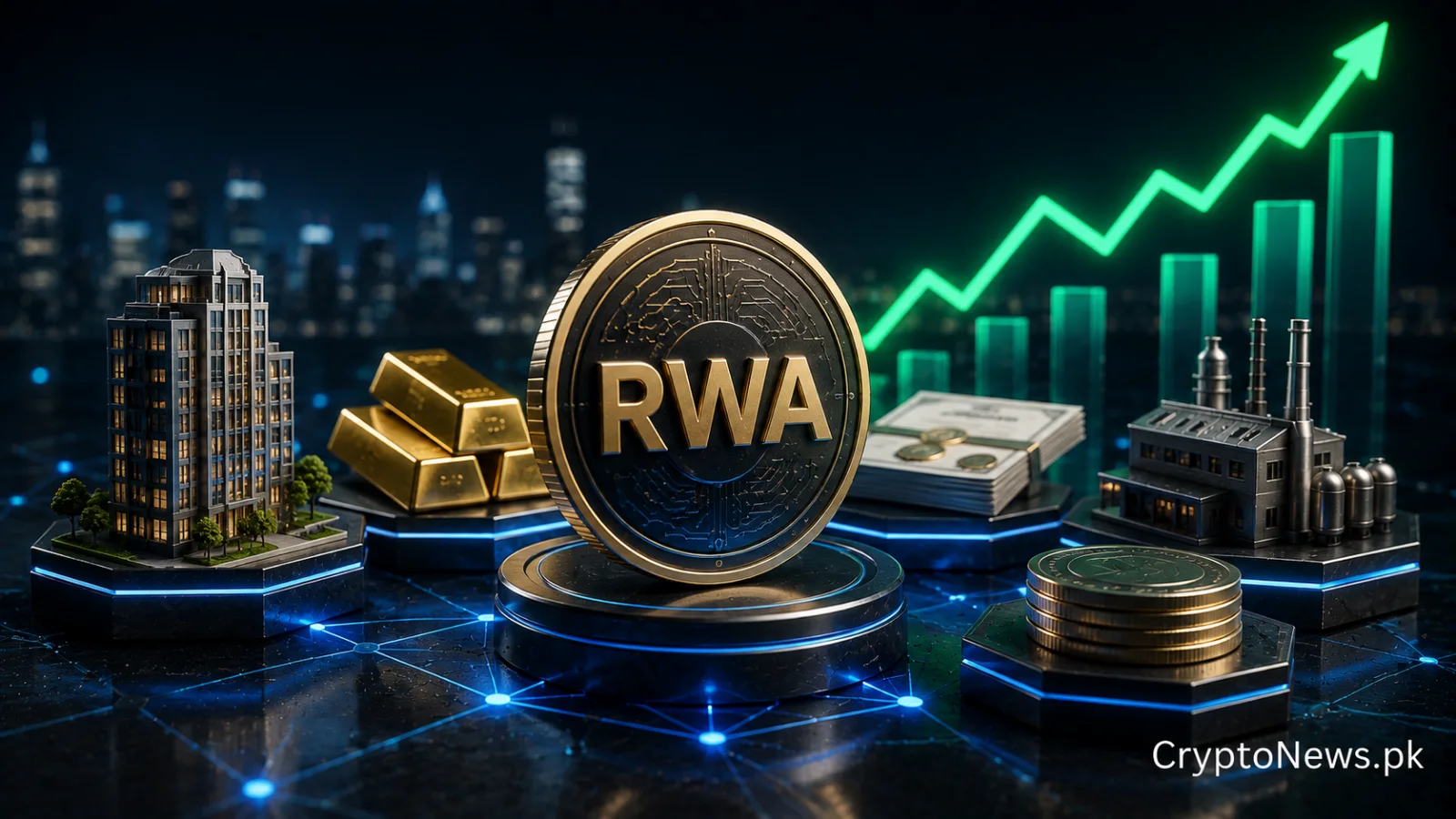
According to a recent report by CoinShares, the sector for tokenized real-world assets (RWAs) has experienced a significant growth phase, with deposits more than tripling to reach $7.4 billion. This surge in activity highlights a growing appetite for blockchain-based versions of traditional financial instruments, such as government bonds and private credit, even as the wider decentralized finance (DeFi) market faces a notable slowdown in overall growth.
Moving Beyond Initial Issuance
The industry has shifted from a phase of simple asset issuance to one defined by active utility. CoinShares noted that lending and trading activity involving these tokenized assets has expanded significantly, proving that investors are looking for more than just exposure to digital representations of physical assets. By bringing traditional assets on-chain, protocols are effectively bridging the gap between legacy finance and the efficiency of distributed ledger technology.
Market Resilience Amidst DeFi Stagnation
While many DeFi protocols have seen a decline in total value locked over the past year, RWA-focused platforms have bucked this trend. Analysts suggest that the stability provided by underlying real-world collateral acts as a hedge against the volatility typically associated with purely digital assets. This movement is supported by institutional interest, as major financial players continue to explore tokenization as a means to increase liquidity and reduce settlement times for complex financial products.
Implications for Pakistani Crypto Holders
For investors in Pakistan, the rise of tokenized assets represents a shift in how global wealth is managed. While local access to regulated RWA platforms remains limited due to the current regulatory environment under the State Bank of Pakistan and the Federal Board of Revenue, the trend suggests that global markets are moving toward a hybrid model. Pakistani holders should remain cautious, as most international RWA platforms are not currently integrated with local exchanges or compliant with local anti-money laundering frameworks. Remittances and cross-border transactions could eventually benefit from this technology if local infrastructure evolves to support blockchain-based settlement layers.
Looking Ahead
As the infrastructure for tokenized assets matures, the focus will likely shift toward regulatory clarity and interoperability between different blockchain networks. The ability to trade fractionalized real-world assets could lower the barrier to entry for global investors, provided that compliance standards are met across jurisdictions. The growth of this sector serves as a reminder that the utility of blockchain technology extends far beyond speculative trading, offering practical solutions for traditional asset management.
As the global financial landscape integrates more blockchain-based solutions, Pakistani investors should focus on understanding the underlying value of these assets while navigating the local regulatory landscape with care.