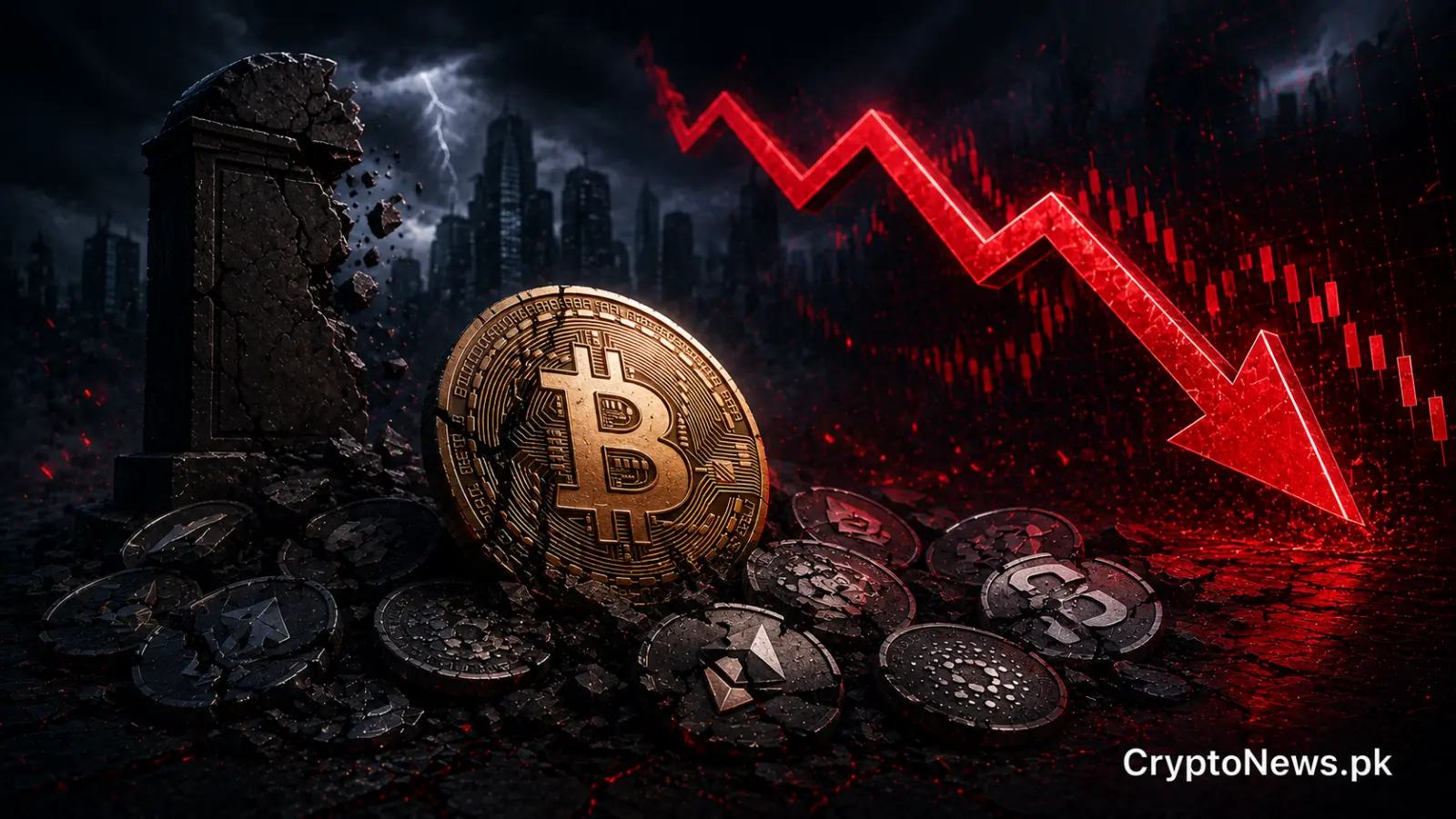
A Market-Wide Reckoning
The cryptocurrency industry is currently navigating a period of intense consolidation, with reports indicating that over 100 blockchain projects have ceased operations throughout 2026. According to CoinDesk, this wave of closures represents a structural shift similar to the dot-com bubble of the early 2000s. The market is effectively weeding out ventures that lacked clear business models or sustainable revenue streams.
For years, the sector was characterized by speculative growth and venture capital inflows that often ignored fundamental metrics. Now, the landscape is pivoting toward protocols that demonstrate actual cash flow and consistent user engagement. Investors and developers are increasingly prioritizing long-term viability over the rapid, volatile growth cycles that defined previous market eras.
The Shift Toward Fundamental Utility
Industry analysts suggest that the current shakeout is a necessary evolution for the broader blockchain ecosystem. Many of the projects that folded in 2026 were unable to bridge the gap between experimental technology and real-world application. Without a steady base of active users, these protocols struggled to maintain liquidity or development momentum.
This trend highlights a growing demand for transparency and accountability within decentralized finance. Projects that cannot prove their utility or provide clear value to their stakeholders are finding it increasingly difficult to secure funding. The market is effectively resetting, leaving behind a more robust foundation for technologies that solve tangible problems.
Implications for Pakistani Investors
For Pakistani crypto holders, this global consolidation serves as a reminder of the risks associated with investing in unproven or low-cap projects. As global markets prune unsustainable ventures, local traders should exercise heightened caution when evaluating new tokens or decentralized platforms. The lack of formal regulatory oversight in Pakistan means that investors have little recourse if a project they support suddenly shuts down.
Furthermore, the volatility associated with such market shakeouts can directly impact the value of holdings in PKR terms. While local exchanges continue to facilitate trading, users should focus on established assets with high liquidity and proven track records. It remains essential to monitor updates from the Federal Board of Revenue regarding digital asset taxation, as the regulatory environment in Pakistan continues to evolve in response to global trends.
Looking Toward Future Stability
While the collapse of over 100 projects may appear alarming, many experts view this as a healthy development. By removing projects that relied on unsustainable incentives, the industry is creating space for more resilient and innovative protocols to emerge. The focus has shifted from speculative trading to building infrastructure that can withstand broader economic pressures.
As the sector matures, the distinction between high-quality blockchain initiatives and speculative ventures will likely become even clearer. Investors are encouraged to conduct thorough due diligence and focus on projects that demonstrate longevity and clear, verifiable utility. This era of consolidation is likely to define the next phase of blockchain adoption globally.