A Tale of Two Markets
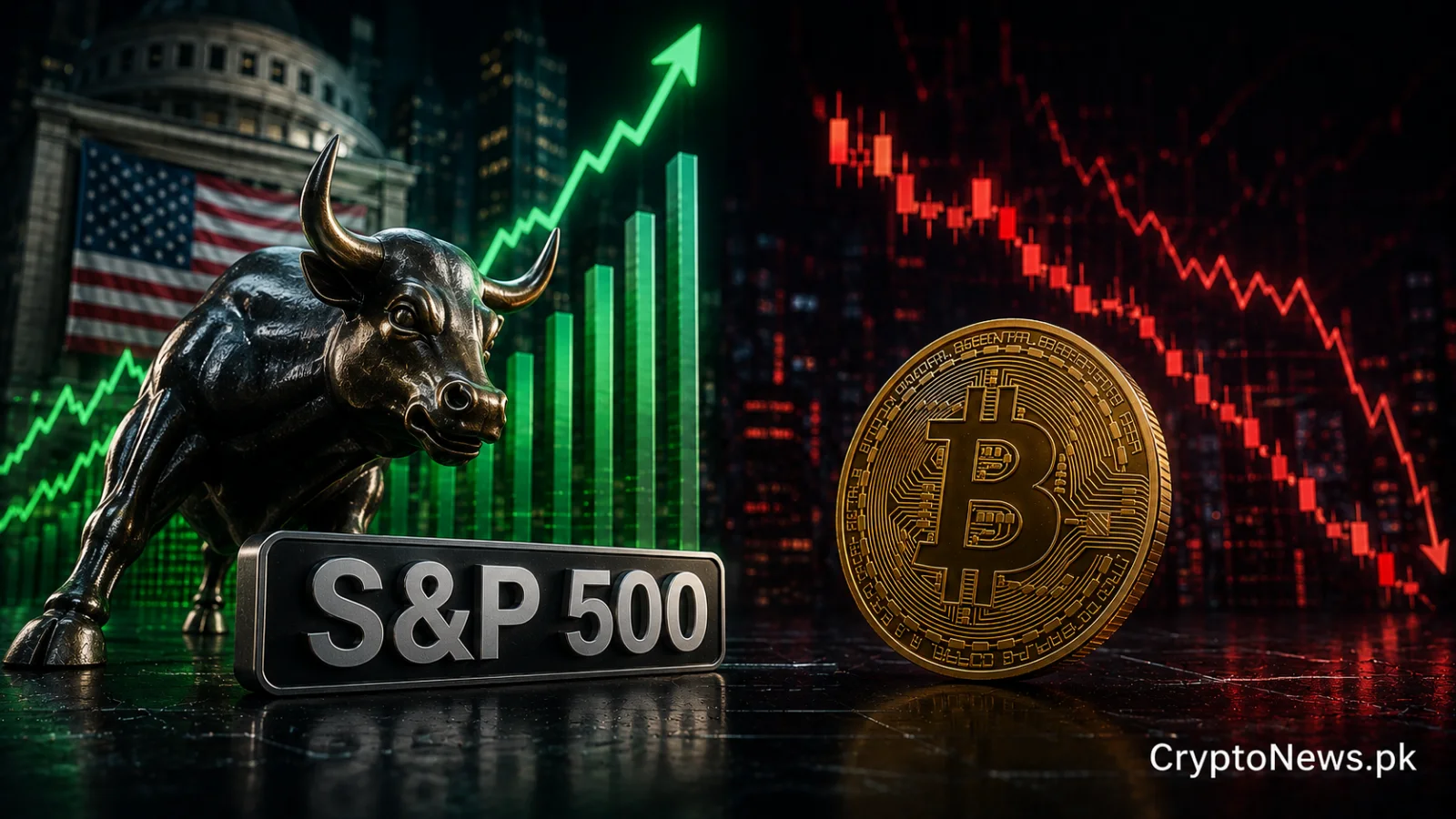
The S&P 500 index has added approximately $2 trillion in market capitalization during October, a figure that roughly mirrors the total value of the entire cryptocurrency market. According to CoinDesk, this massive influx of capital into traditional equities has not sparked a corresponding rally in digital assets. While stock markets are hitting new highs, Bitcoin has struggled to maintain significant upward momentum, trading within a relatively narrow range.
Why Bitcoin Remains Stagnant
Market analysts suggest that the reasons for this divergence go beyond simple macroeconomic factors. While equities are currently benefiting from strong corporate earnings and specific sector growth, Bitcoin is facing a unique set of headwinds. Some observers point to a shift in institutional capital allocation, where investors may be prioritizing the perceived stability of traditional indices over the volatility associated with digital assets.
Furthermore, the correlation between crypto and tech stocks, which was a dominant narrative throughout the previous cycle, appears to be weakening. As the S&P 500 climbs, Bitcoin is not necessarily following the same trajectory, suggesting that crypto is currently trading based on its own internal liquidity cycles rather than broader market sentiment. This decoupling is a significant development for traders who previously relied on the S&P 500 as a leading indicator for crypto performance.
The Role of Macroeconomic Factors
Interest rate expectations and Federal Reserve policies continue to play a pivotal role in how these assets perform. While lower interest rates are generally seen as bullish for risk-on assets like Bitcoin, the current market environment is complex. Traditional finance is absorbing liquidity at a rapid pace, leaving less room for speculative flows into the cryptocurrency ecosystem.
Analysts note that the current market structure is heavily influenced by institutional players who are balancing portfolios between traditional assets and digital alternatives. The recent performance of the S&P 500 indicates that institutional appetite for equities remains robust, potentially drawing attention away from the crypto space in the short term.
The Pakistan Angle
For Pakistani crypto holders, this divergence serves as a reminder of the importance of global market awareness. While the local PKR remains under pressure against the dollar, Pakistani investors often look to Bitcoin as a hedge against inflation. However, when Bitcoin fails to react to global liquidity injections, the utility of the asset as a short-term hedge is called into question.
Currently, Pakistani traders face limited access to international equity markets, making the local crypto market a primary destination for retail investment. Holders should be aware that the lack of correlation between global stocks and crypto means that local market movements may be driven more by domestic economic conditions and regulatory developments under the PVARA framework than by the performance of the S&P 500. Always ensure compliance with local FBR tax reporting requirements when managing digital asset portfolios.
Future Outlook
The current market environment suggests that investors should remain cautious and avoid assuming that a rising tide in traditional finance will automatically lift the crypto market. As the year draws to a close, market participants will be watching closely to see if Bitcoin can regain its correlation with equities or if it will continue to carve out its own path independent of the S&P 500. Monitoring institutional inflows and global liquidity trends will be essential for understanding the next phase of this market cycle.
Pakistani investors should focus on local economic indicators and regulatory updates rather than relying solely on global stock market trends to gauge the future of their digital asset holdings.