














A Shift in Market Sentiment
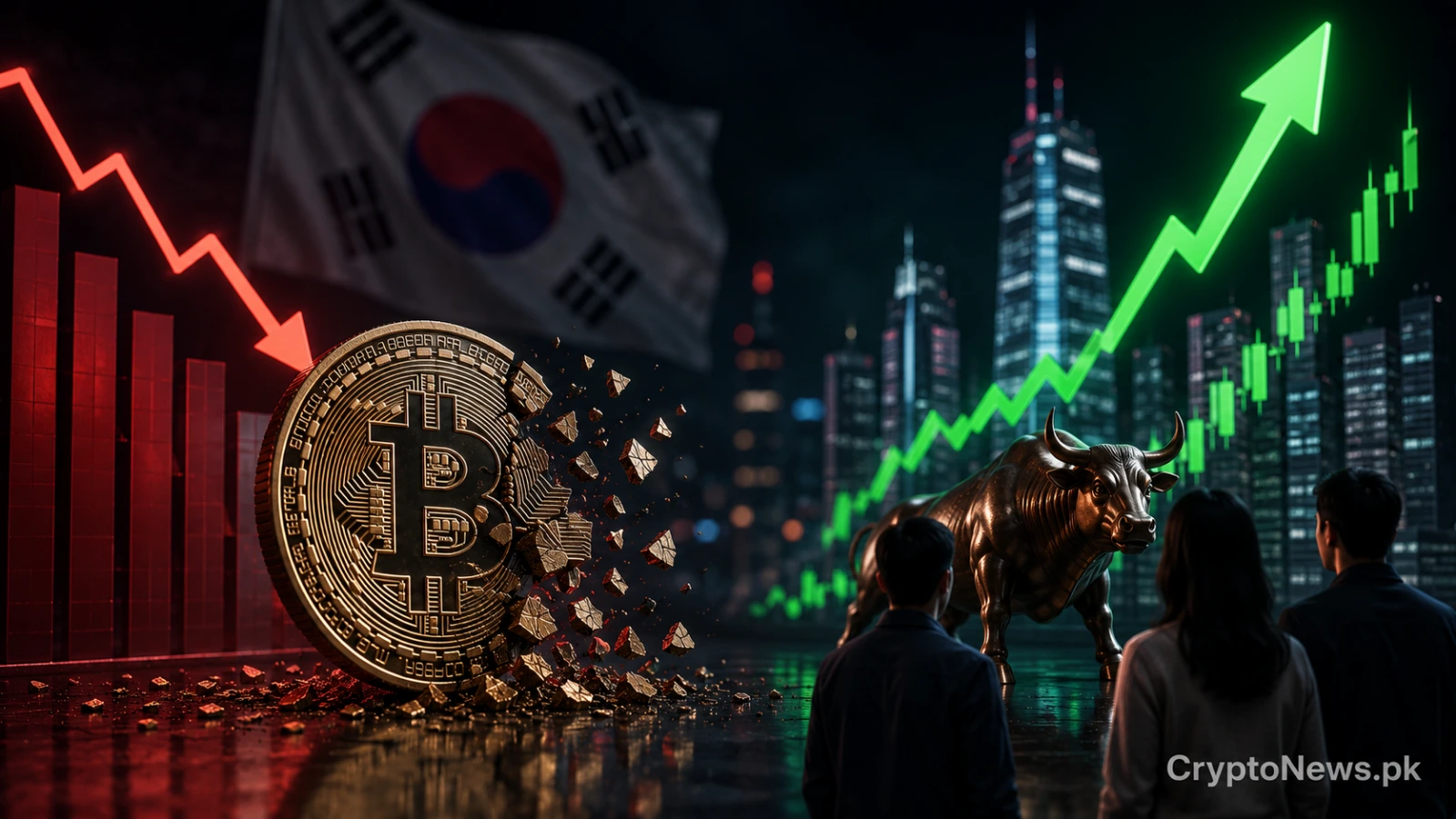
Trading volumes across South Korea’s five largest cryptocurrency exchanges have experienced a notable decline throughout the recent quarter. According to data reported by Cointelegraph, this downturn coincides with a period of renewed enthusiasm for the domestic stock market, specifically the KOSPI index. As equity prices have trended upward, many retail participants appear to be reallocating capital away from digital assets to capture gains in traditional financial sectors.
The Role of Market Volatility
Market analysts suggest that the migration of retail capital is often driven by the search for stability and regulatory clarity. While the Korean crypto market has historically been one of the most active globally, the recent surge in equity valuations has provided a compelling alternative for risk-averse investors. The KOSPI performance has effectively diverted attention from the high volatility typically associated with Bitcoin and altcoin trading, leading to a cooling effect on exchange activity.
Regulatory Landscape and Investor Behavior
South Korea maintains a stringent regulatory framework for digital assets, which influences how retail investors interact with platforms. The government has consistently implemented measures to enhance transparency and protect consumers, which some market observers believe contributes to a more cautious approach among local traders. When traditional markets show strength, the perceived risk-to-reward ratio of crypto assets is often re-evaluated by the average retail participant.
Impact on Pakistani Crypto Holders
For Pakistani crypto enthusiasts, the shift in South Korean market sentiment serves as a broader indicator of global retail trends. While the local Pakistani market operates under different constraints, including limited access to global banking rails and the ongoing discussions regarding the PVARA framework, the correlation between global equity performance and crypto liquidity remains relevant. Pakistani investors should note that when major global hubs like South Korea pivot toward stocks, it often signals a broader reduction in speculative liquidity that can influence international price action. Furthermore, Pakistani users relying on P2P platforms should remain aware that global cooling in retail participation can lead to wider spreads and reduced volume on local exchange interfaces.
Conclusion for Local Investors
As global retail interest fluctuates between asset classes, Pakistani crypto holders should prioritize long-term strategy over reacting to short-term shifts in international exchange volumes.