The Shift Toward Onchain Finance
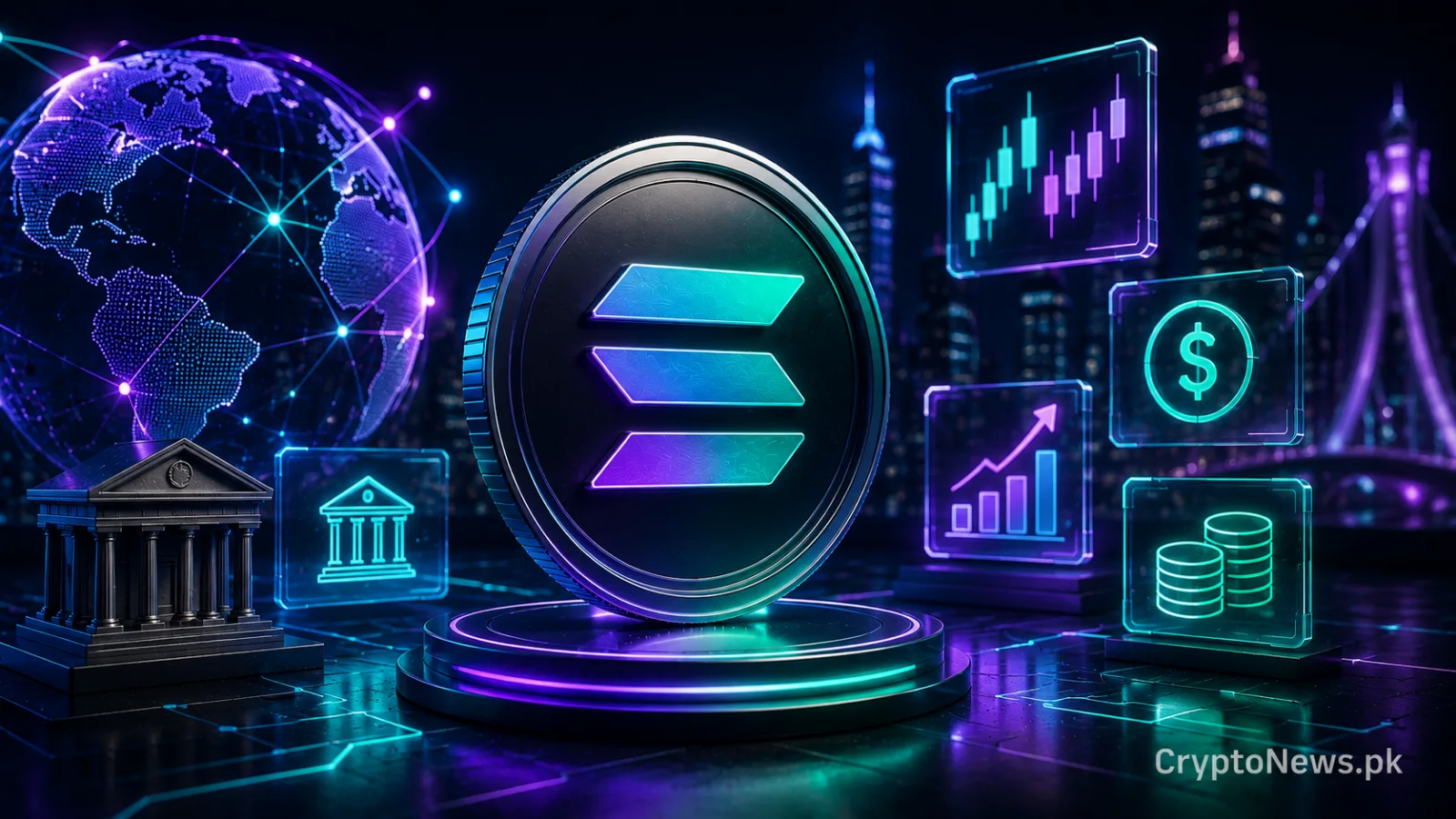
Solana has recently solidified its position as a primary battleground for the integration of traditional financial systems with decentralized ledger technology. According to Brian Smith, president of the Jito Foundation, the rise of perpetual futures, or perps, is serving as a vital mechanism for this transition. These instruments allow for complex trading strategies that were previously confined to legacy banking systems, now operating directly on the Solana blockchain.
Smith argues that these protocols act as a Trojan horse, effectively pulling institutional interest and traditional finance workflows into the decentralized ecosystem. By leveraging Solana's high throughput and low transaction costs, developers are creating environments where traditional market participants can interact with digital assets more seamlessly than ever before.
Technical Advantages and Market Growth
The appeal of Solana for these financial applications stems largely from its architectural design. Unlike older blockchain networks that often struggle with congestion during periods of high volatility, Solana maintains a rapid block time that is essential for high frequency trading and complex derivatives. This technical efficiency is a prerequisite for any platform hoping to host institutional grade financial products.
Industry analysts note that the growth of these onchain derivatives is not merely a trend but a fundamental shift in how markets function. By removing intermediaries and automating settlement processes, Solana based protocols are attempting to reduce the friction that currently defines the traditional financial sector. This movement is attracting significant liquidity, further cementing the network's role in the broader crypto ecosystem.
The Pakistan Perspective
For Pakistani crypto holders, the integration of traditional finance with blockchain networks like Solana presents a nuanced landscape. While the local regulatory environment remains cautious, the ability to access global liquidity through decentralized perpetual platforms offers a way to hedge against currency volatility. However, Pakistani users must remain aware of the regulatory stance held by the Federal Board of Revenue and the State Bank of Pakistan regarding digital asset trading.
Currently, there is no direct legal framework in Pakistan that governs the use of decentralized derivatives platforms. Local investors often rely on global exchanges to access these services, which carries inherent risks regarding custodial security and local tax compliance. As these platforms become more sophisticated, Pakistani users should prioritize understanding the tax implications of their trading activities under existing FBR guidelines to avoid potential legal complications.
Future Outlook for Decentralized Markets
As the competition between blockchain networks intensifies, Solana's ability to maintain its lead in the derivatives space will be tested by other high performance chains. The success of these protocols depends not only on technical performance but also on the ability to attract institutional capital that demands reliability and security. If Solana continues to provide a stable foundation for these financial tools, it may well become the standard for onchain derivative markets globally.
Observers suggest that the next phase of development will focus on cross chain interoperability and enhanced user interfaces. These improvements are expected to lower the barrier to entry for retail participants who are currently deterred by the technical complexity of decentralized finance. For the time being, the focus remains on building robust infrastructure that can withstand the demands of a global, always on financial market.