The Security Assessment
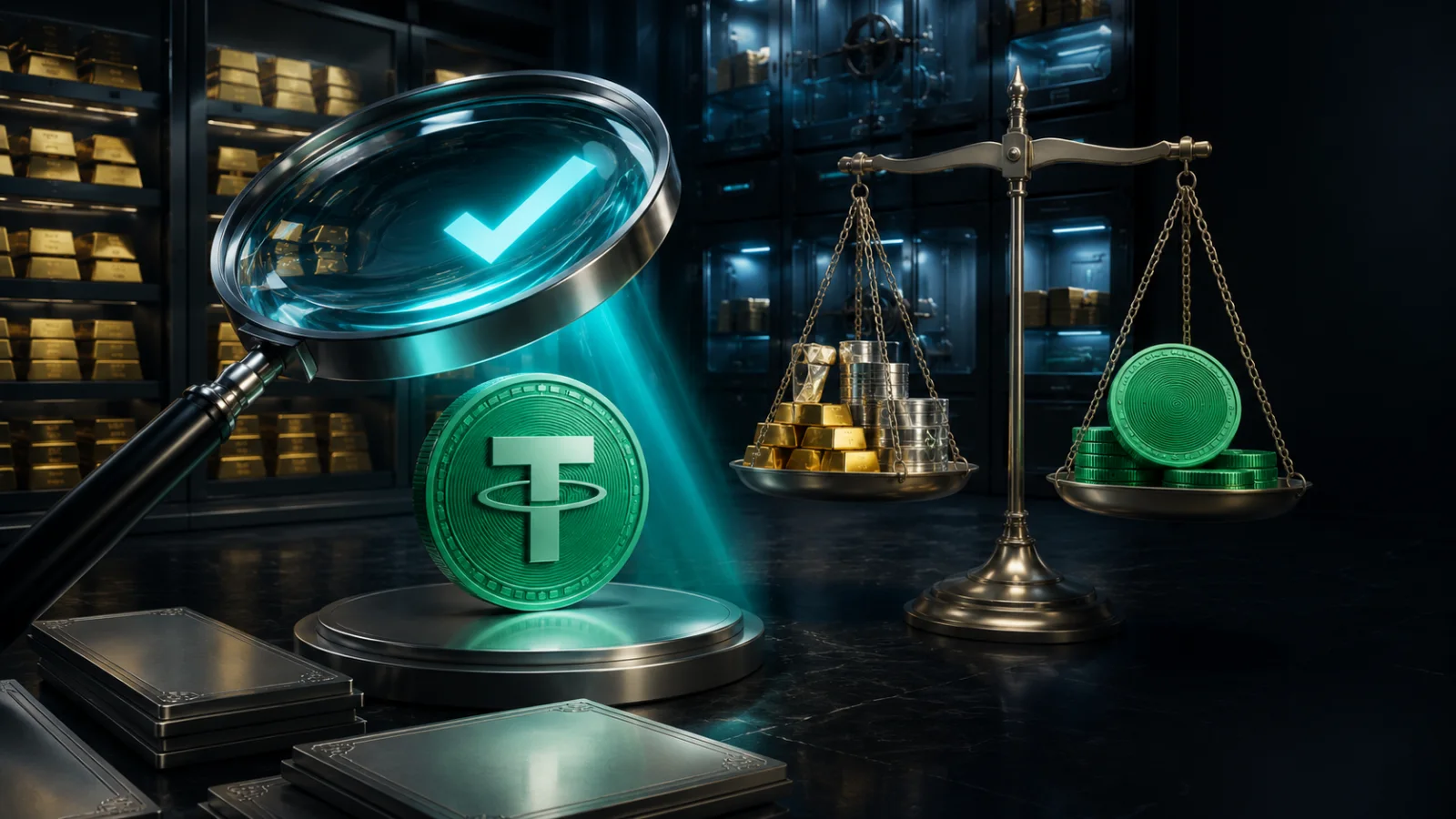
A recent report from a prominent rating agency has highlighted a potential vulnerability regarding the management of Tether, the world's largest stablecoin by market capitalization. The study suggests that a specific two-key breach could theoretically grant unauthorized parties control over $91 billion in USDT assets. This finding underscores the complex interplay between traditional financial auditing and modern blockchain security protocols.
Integrating Traditional and Web3 Auditing
The rating agency has introduced a new framework designed to evaluate stablecoin issuers by combining Wall Street financial auditing standards with rigorous Web3 code reviews. According to CoinDesk, this dual-layered approach is intended to provide a more comprehensive view of both off-chain reserves and on-chain security measures. By examining how issuers manage their collateral, the agency aims to identify risks that might otherwise remain hidden in opaque custodial arrangements.
Implications for Stablecoin Stability
Stablecoins like USDT serve as the primary liquidity bridge for the global cryptocurrency market. Any perceived weakness in their security architecture can have cascading effects on trading volume and investor confidence across decentralized finance platforms. While the report focuses on the theoretical possibility of a breach, it serves as a reminder that centralized management of digital assets remains a significant point of failure in the broader ecosystem.
The Pakistan Perspective
For Pakistani crypto holders, USDT is the most widely used asset for peer-to-peer trading and hedging against currency volatility. The local market relies heavily on Tether for converting PKR into digital assets via platforms like Binance or local P2P marketplaces. If custodial risks were to materialize, Pakistani users would be disproportionately affected because they lack access to regulated, insured banking alternatives for their digital holdings. Furthermore, the Federal Board of Revenue (FBR) continues to monitor digital asset activity, and any instability in major stablecoins could complicate the ongoing discussions regarding the legal status of crypto assets within the country. Holders should remain cautious about keeping large balances on centralized exchanges and consider self-custody solutions to mitigate counterparty risk.
Moving Toward Transparency
The crypto industry has faced increasing pressure to provide proof of reserves and undergo independent security audits. As regulators globally demand higher standards of transparency, frameworks that bridge the gap between traditional finance and blockchain technology are becoming essential. Investors are encouraged to monitor how major issuers respond to these findings and whether they implement more robust multi-signature security protocols to protect their massive reserve holdings.