The Shift Toward Hard Assets
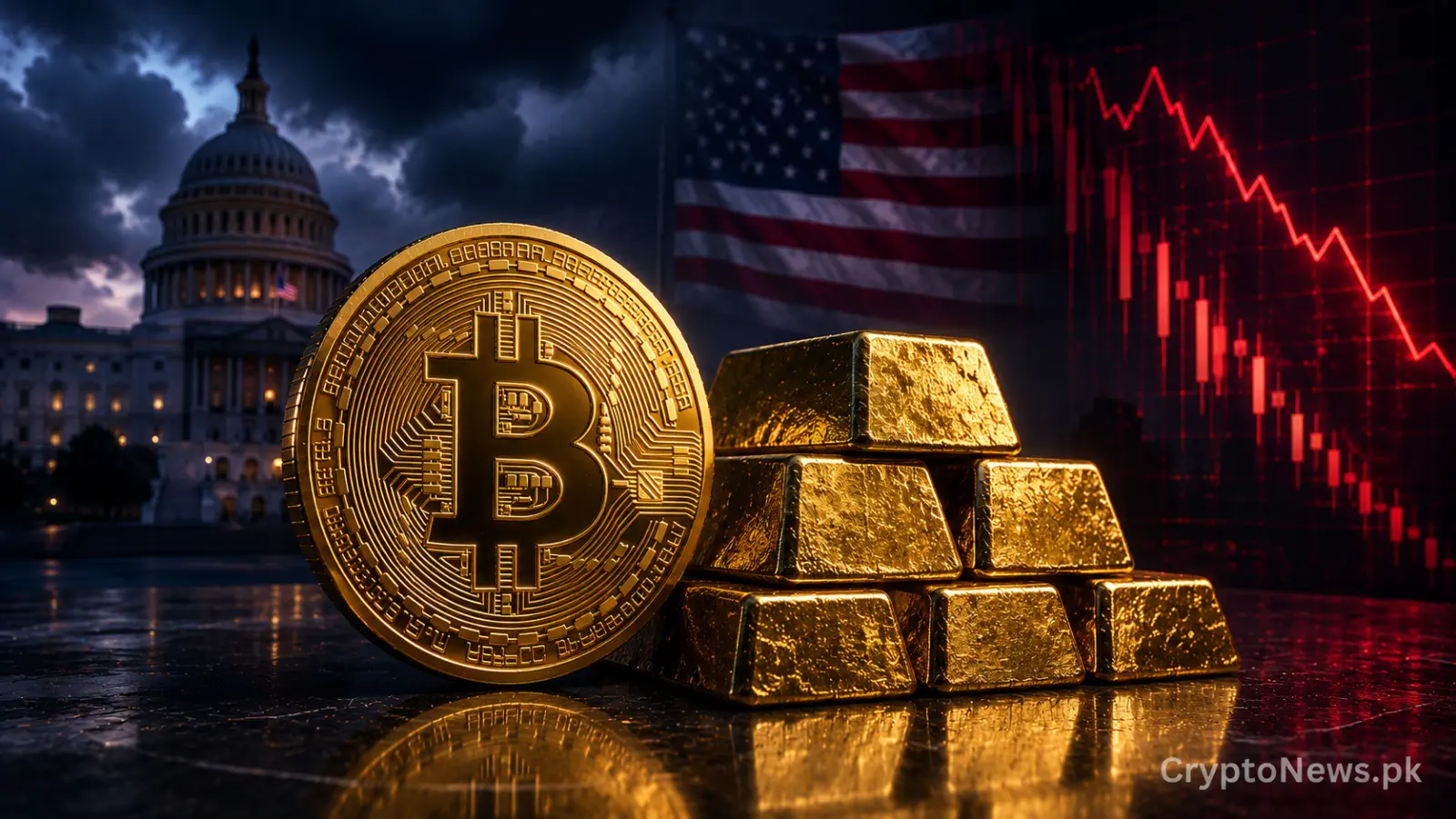
As of July 27, 2026, global financial markets are witnessing a notable shift in investment sentiment as U.S. national debt levels continue to reach historic highs. According to CoinDesk, investors are increasingly pivoting toward Bitcoin and gold, viewing these assets as potential shelters against the risks associated with long-term dollar devaluation. This trend reflects a broader concern among institutional and retail participants regarding the sustainability of current fiscal trajectories in major economies.
Understanding the Debt-Asset Correlation
Market analysts suggest that the appetite for non-sovereign stores of value often intensifies when sovereign debt exceeds traditional comfort zones. When the purchasing power of a reserve currency is perceived to be at risk, capital tends to flow into assets that are not controlled by central banks or governments. Bitcoin, often referred to as digital gold, has seen its narrative shift from a speculative tech play to a macro-hedge, mirroring the historical role of physical gold.
Global Market Implications
While the U.S. dollar remains the primary global reserve currency, the growing debt burden creates a complex environment for international trade and investment. Investors are weighing the potential for inflationary pressures against the scarcity models offered by assets like Bitcoin. This rebalancing act is not limited to Western markets, as global liquidity providers adjust their risk profiles to account for potential volatility in traditional government bond markets.
The Pakistan Perspective
For Pakistani crypto holders, the global trend of moving toward hard assets carries significant local implications. As the Pakistani Rupee (PKR) faces its own challenges with inflation and currency depreciation, local investors often look to stable assets to preserve wealth. While Bitcoin is not legal tender in Pakistan, the interest in digital assets as a hedge remains high among tech-savvy demographics. Readers should remain mindful of the regulatory environment overseen by the Federal Board of Revenue (FBR) and the legal status of digital assets under the Prevention of Electronic Crimes Act (PECA). Local exchanges continue to navigate a complex landscape, and users should prioritize platforms that emphasize security and compliance with local guidelines to mitigate risks associated with international market volatility.
Navigating Future Volatility
As the global financial system continues to grapple with debt management, the interplay between fiscal policy and digital asset performance will likely remain a focal point for market observers. It is essential for participants to maintain a long-term perspective rather than reacting to short-term price fluctuations. Understanding the underlying macroeconomic drivers is key to navigating the current financial climate effectively.
Investors in Pakistan should carefully monitor how global fiscal trends influence local currency stability and ensure their digital asset holdings are managed through secure, compliant channels.