The Emerging Competition for Resources
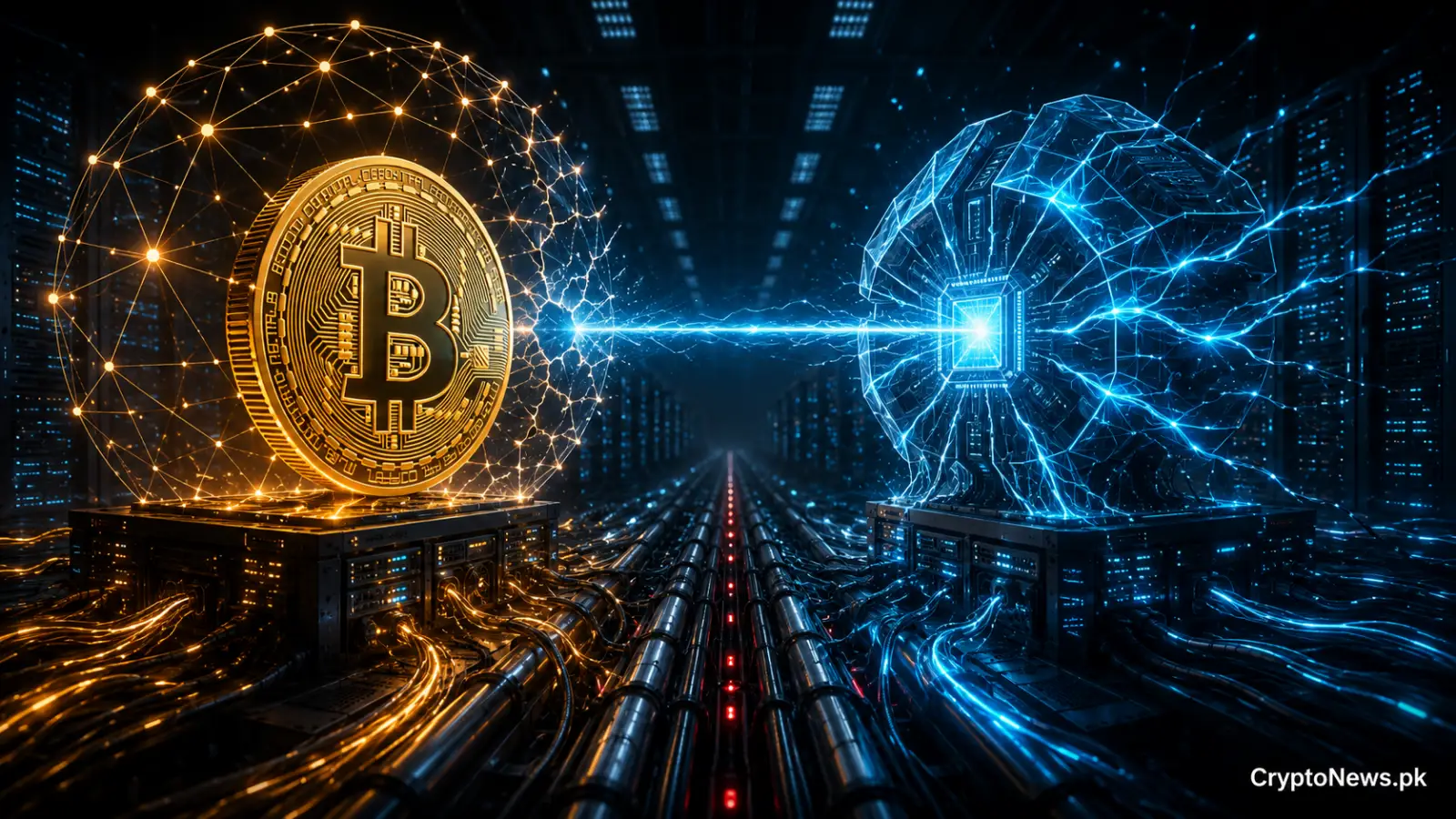
Economist and long-time Bitcoin critic Peter Schiff recently highlighted a potential conflict between the growth of artificial intelligence and the future of Bitcoin. According to Bitcoin.com News, Schiff argues that these two technologies are currently competing for the same limited resources, specifically electricity, capital investment, and physical infrastructure. As AI development accelerates, the demand for high-performance computing power could place additional strain on the global energy grid, potentially impacting the mining sector.
Potential Security and Software Risks
Beyond resource allocation, Schiff suggested that increasingly sophisticated artificial intelligence models might pose a technical threat to the Bitcoin network. He posited that future AI iterations could theoretically uncover hidden weaknesses within the underlying software code of the blockchain. While Bitcoin relies on its decentralized nature and cryptographic security, Schiff maintains that the rapid evolution of machine learning capabilities warrants caution from the crypto community.
Reflecting on Past Market Opportunities
Despite his ongoing skepticism toward the asset class, Schiff recently acknowledged that he could have generated significant profits had he participated in the Bitcoin market earlier. According to BeInCrypto, the economist admitted that while he missed out on potential gains, he remains critical of the HODL mentality. He argued that many long-term holders have ultimately left substantial wealth on the table by failing to divest during market peaks, maintaining his preference for traditional commodities like gold.
The Pakistan Angle: Energy and Digital Infrastructure
For Pakistani crypto holders, the debate regarding AI and Bitcoin highlights the importance of energy infrastructure. As Pakistan continues to navigate its own energy challenges, the competition for electricity between industrial sectors and emerging technologies like crypto mining or AI data centers remains a critical concern. Furthermore, local investors should note that while international debates focus on software vulnerabilities, the primary risks for Pakistani users remain regulatory uncertainty and the need for secure, compliant exchange practices. There is currently no direct impact on the PKR or remittances from these theoretical technological shifts, but the global trend toward energy-intensive tech adoption is worth monitoring for its long-term effect on global power costs.
Evaluating the Future of Digital Assets
Schiff's comments serve as a reminder that the digital asset landscape is constantly evolving in response to broader technological shifts. While Bitcoin has historically proven resilient against various criticisms, the rise of AI represents a new frontier in the global digital economy. Investors and enthusiasts alike are watching to see if these two sectors will eventually find a way to coexist or if they will remain in direct competition for global resources.
Pakistani investors should prioritize understanding how global energy trends and technological advancements could influence the long-term viability of their digital asset portfolios.