A Strategic Shift in Infrastructure
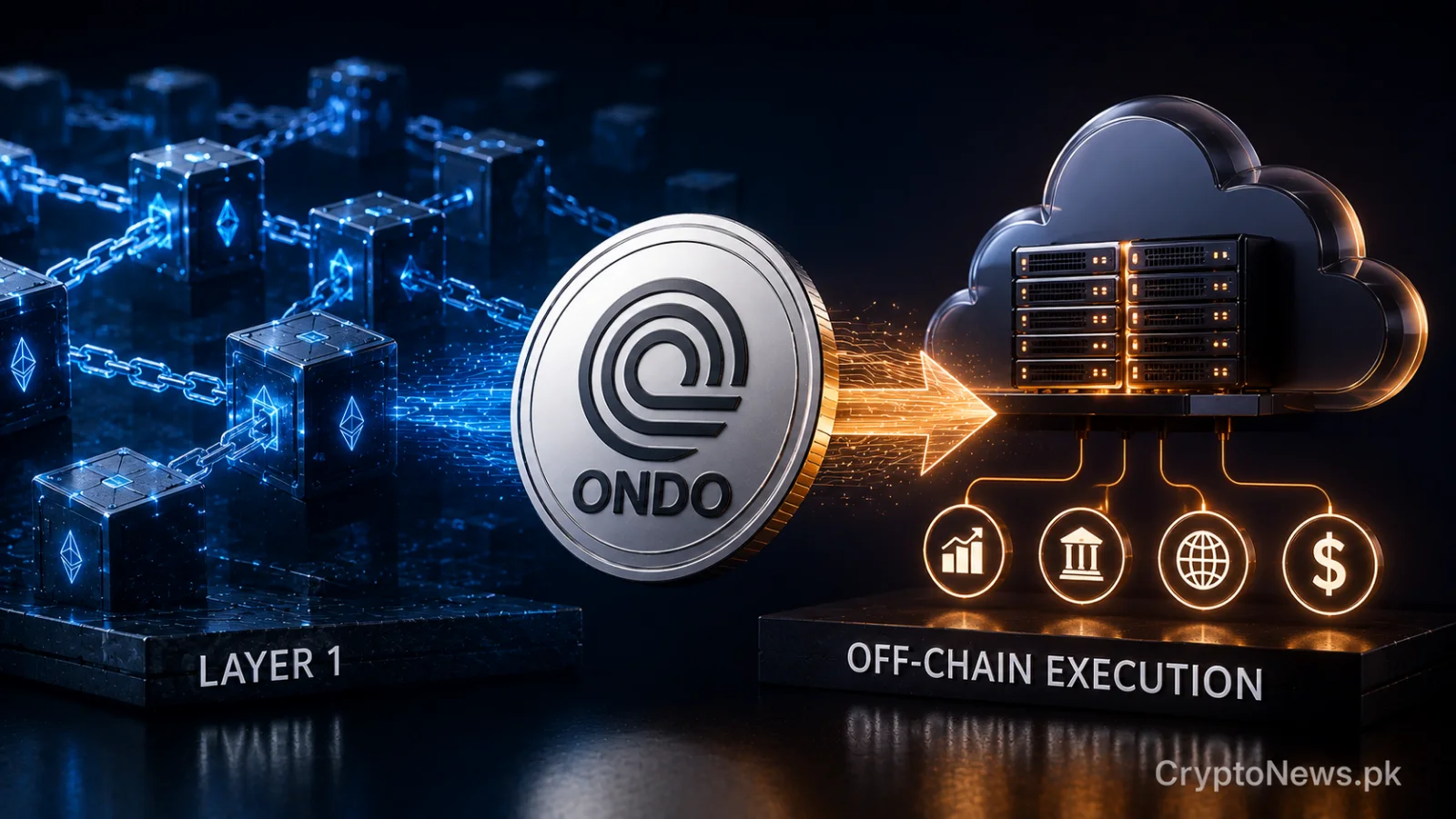
Ondo Finance, a prominent player in the real-world asset tokenization sector, has officially shifted its development focus. According to Cointelegraph, the company is moving away from its previously announced layer-1 blockchain project to prioritize an offchain execution network. This transition marks a significant departure from the infrastructure roadmap the firm laid out in early 2025.
The Logic Behind Offchain Execution
The move is largely driven by the specific requirements of institutional partners who prioritize speed, compliance, and regulatory clarity. By utilizing an offchain execution model, Ondo aims to bridge the gap between traditional financial systems and decentralized ledger technology. This approach allows for greater control over transaction finality and data privacy, which are often cited as primary hurdles for large financial institutions looking to adopt blockchain solutions.
Implications for Real-World Assets
Ondo Finance has built its reputation on tokenizing yield-bearing assets, such as United States Treasury bonds. By shifting to an offchain execution framework, the company intends to streamline the issuance and management of these assets. This transition suggests that the firm believes the future of institutional finance lies in hybrid models that leverage the efficiency of blockchain for settlement while maintaining offchain operational control for complex regulatory requirements.
Impact on Pakistani Crypto Holders
For investors and blockchain enthusiasts in Pakistan, this development highlights the evolving nature of the global tokenization market. While Ondo Finance operates primarily within international institutional markets, the shift toward offchain compliance-focused systems reflects a broader trend that may eventually influence how Pakistani financial entities interact with global assets. Currently, Pakistani holders should remain aware that such infrastructure changes do not directly impact local exchange availability or the regulatory status of crypto assets under the Federal Board of Revenue or the State Bank of Pakistan. As the local regulatory framework remains cautious, the primary takeaway for Pakistani users is to monitor how these institutional-grade platforms bridge the gap between traditional finance and digital assets, as this will likely define the future of global remittances and asset management.
Future Outlook for Tokenization
The pivot by Ondo Finance serves as a reminder that the blockchain industry is still in a period of intense experimentation. As companies move away from the 'everything on-chain' philosophy, we are likely to see more hybrid architectures that prioritize utility over decentralization. Whether this offchain model provides the scalability that the firm promises remains to be seen as the project continues its transition throughout the remainder of the year.
Pakistani investors should view this shift as a sign that the real-world asset sector is maturing toward institutional standards, even as local regulatory clarity remains a work in progress.