Market Volatility and the Wanchain Incident
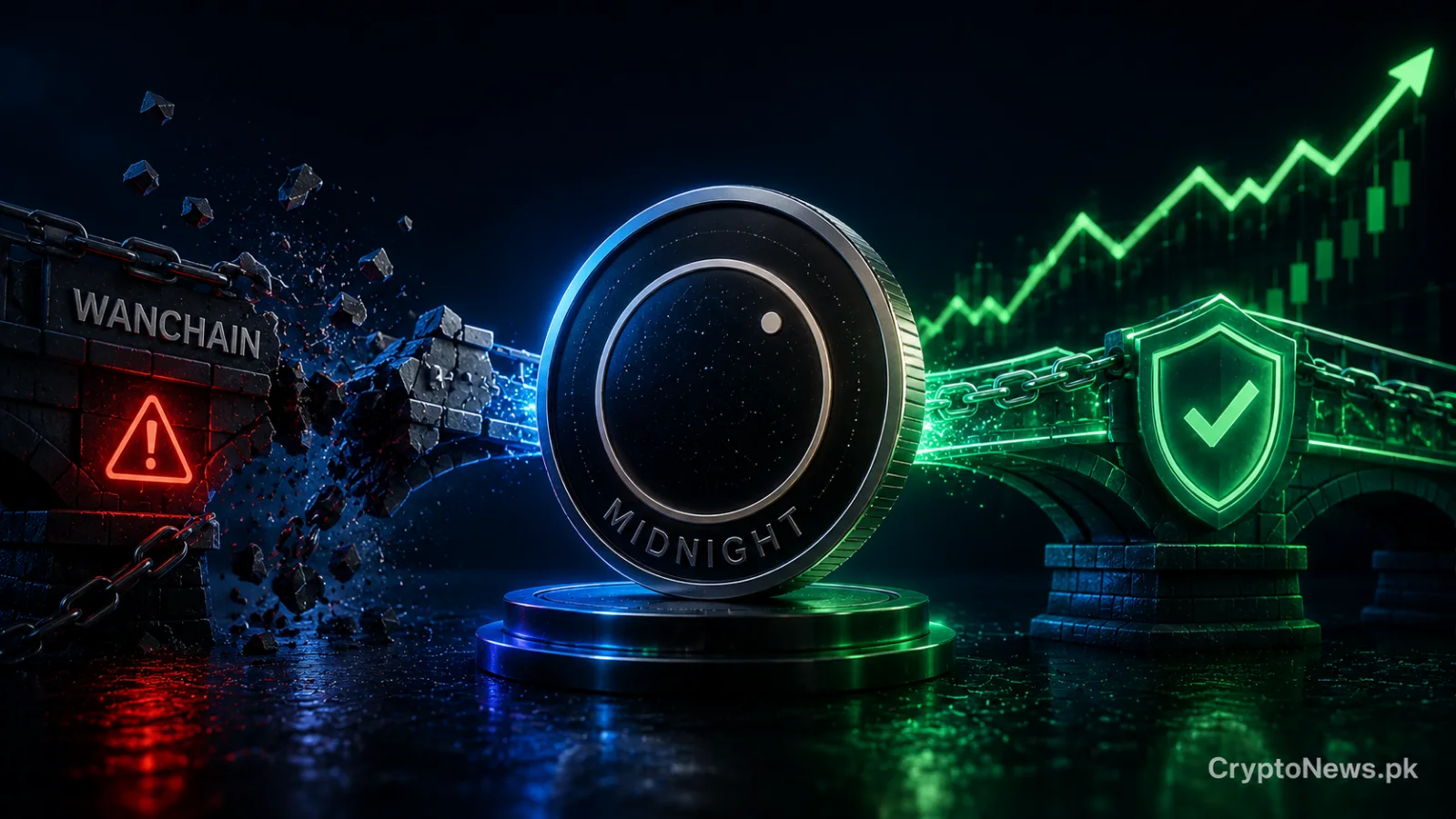
The Midnight token, known by the ticker NIGHT, experienced a volatile period this week following a security exploit involving the Wanchain bridge. According to CoinDesk, the token price briefly plummeted to an all-time low as news of the bridge vulnerability spread across the market. However, the asset demonstrated resilience by rebounding 19 percent shortly after the initial sell-off as liquidity providers and developers responded to the event.
Technical Vulnerabilities and Industry Response
This incident has reignited the ongoing debate regarding the security of cross-chain bridge infrastructure. Charles Hoskinson, a prominent figure in the blockchain space, publicly addressed the situation by calling for a significant revamp of current zero-knowledge proof implementations. According to CoinDesk, Hoskinson emphasized that the industry must move beyond legacy bridge designs that rely on centralized or vulnerable validator sets, suggesting that more advanced cryptographic protocols are necessary to prevent future exploits.
The Role of Zero-Knowledge Proofs
Zero-knowledge proofs are increasingly viewed as the gold standard for privacy and security in decentralized finance. By allowing one party to prove the validity of a transaction without revealing sensitive data, these protocols aim to reduce the attack surface of decentralized applications. The recent exploit serves as a reminder that even projects focusing on privacy must ensure that their bridge infrastructure remains as secure as their core consensus layer.
Implications for Pakistani Crypto Holders
For Pakistani crypto enthusiasts, this incident highlights the inherent risks associated with using cross-chain bridges to move assets between different ecosystems. While local exchanges in Pakistan do not typically list niche tokens like NIGHT, many users access global decentralized finance protocols through VPNs and international platforms. Pakistani holders should be aware that bridge exploits can lead to a total loss of funds if the underlying liquidity pool is drained. Furthermore, as the Federal Board of Revenue and the State Bank of Pakistan continue to monitor digital asset activity, users are reminded that decentralized bridge transactions remain outside the purview of local regulatory oversight, making it difficult to seek recourse in the event of an exploit. Investors are encouraged to prioritize security by utilizing hardware wallets and avoiding interaction with unverified or experimental bridge protocols.
Moving Toward Safer Infrastructure
The recovery of the NIGHT token suggests that market participants remain confident in the underlying project despite the bridge-related setback. As the ecosystem matures, developers are expected to prioritize the integration of more secure, trustless bridging solutions. The industry is currently shifting toward a model where security is baked into the protocol level rather than relying on external bridge operators, a transition that could eventually lead to more stable market conditions for tokens that rely on cross-chain interoperability.