Strategic Expansion into Stablecoin Payments
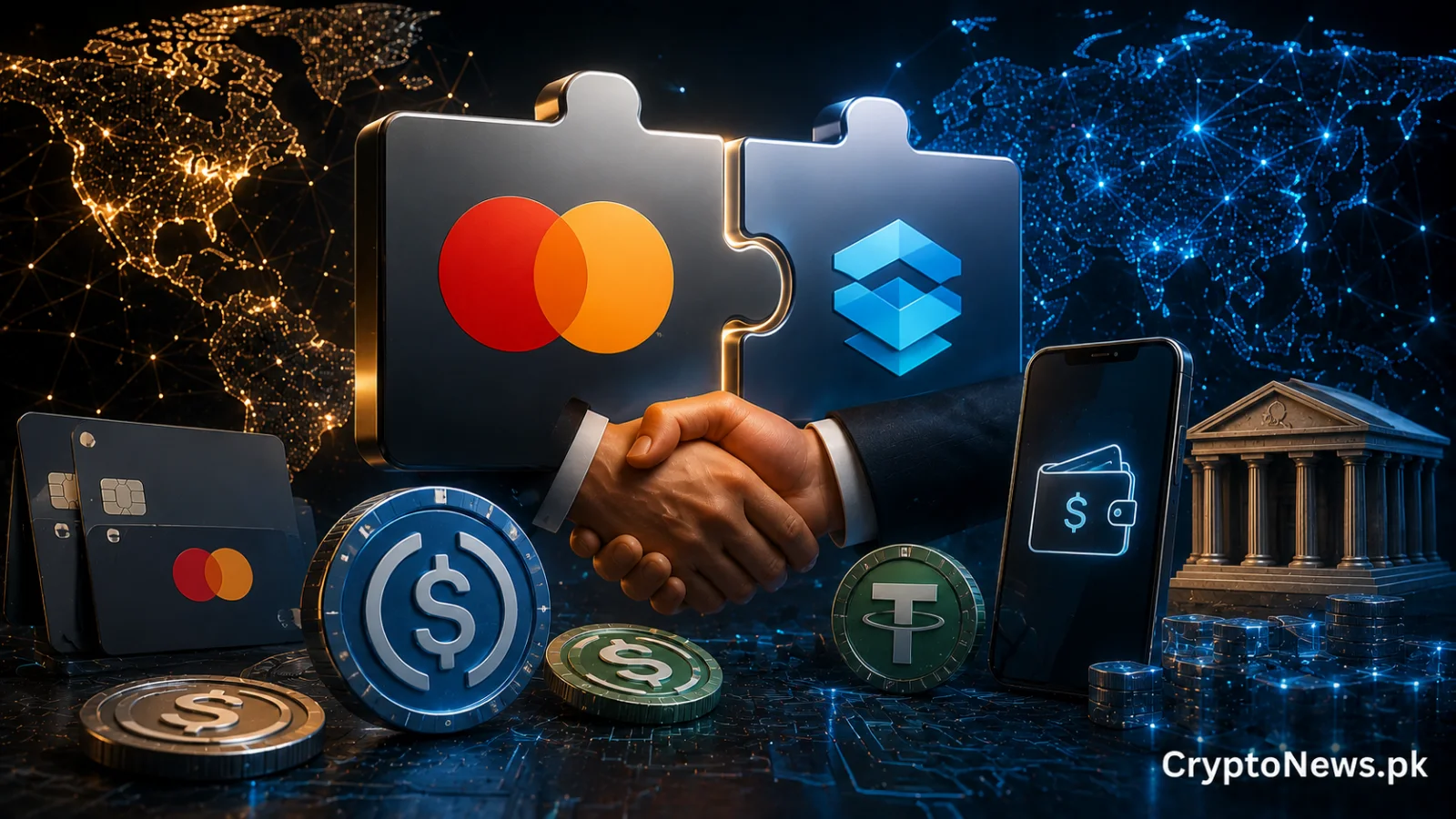
Mastercard has officially finalized its $1.8 billion acquisition of BVNK, a move that marks a significant expansion of the company into the stablecoin and tokenized asset sector. According to reports from Bitcoin.com News, this acquisition provides Mastercard with advanced onchain settlement capabilities and robust wallet infrastructure. By integrating BVNK, the payments giant aims to create a unified layer that connects traditional fiat currencies with stablecoins and tokenized deposits.
Enhancing Global Payment Flows
Beyond the acquisition, Mastercard is actively working to improve the reliability of digital asset transactions. As noted by The Block, the company has launched a pilot program alongside Borderless.xyz to utilize its Crypto Credential technology. This initiative is designed to support trusted cross-border payment flows, ensuring that stablecoin transactions meet necessary compliance and security standards. Mastercard stated that this tie-up will assist banks, fintech firms, and large enterprises in scaling their use cases for stablecoins.
Bridging Fiat and Digital Assets
Industry analysts observe that this move is part of a broader trend where traditional financial institutions seek to modernize legacy payment rails. By leveraging BVNK, Mastercard intends to offer treasury services and settlement solutions that operate efficiently across both blockchain networks and conventional banking systems. The goal is to provide a seamless experience where stablecoins function as a standard component of global financial architecture rather than a separate, siloed asset class.
Impact on the Pakistani Crypto Landscape
For Pakistani crypto holders, the integration of stablecoins into global payment networks like Mastercard carries long-term implications for remittance and cross-border trade. While Pakistan currently maintains a cautious regulatory stance regarding digital assets, the adoption of stablecoins by major financial institutions could eventually influence how local banks view blockchain-based settlement. Currently, Pakistani users should remain aware that local financial regulations, including those enforced by the FBR and the State Bank of Pakistan, do not officially recognize stablecoins as legal tender. Any interaction with international payment platforms involving crypto assets remains subject to strict local compliance and anti-money laundering frameworks.
Future Outlook for Digital Settlements
The completion of the BVNK deal underscores a growing institutional commitment to blockchain technology as a utility for the existing financial system. As Mastercard continues to pilot its Crypto Credential program, the industry will likely see more focus on verification and security in digital payments. This development suggests that the divide between traditional banking and the decentralized web is narrowing, potentially paving the way for more integrated financial services in the future.
As major global payment networks adopt stablecoin infrastructure, Pakistani users should monitor local regulatory updates regarding digital asset usage and international remittance compliance.