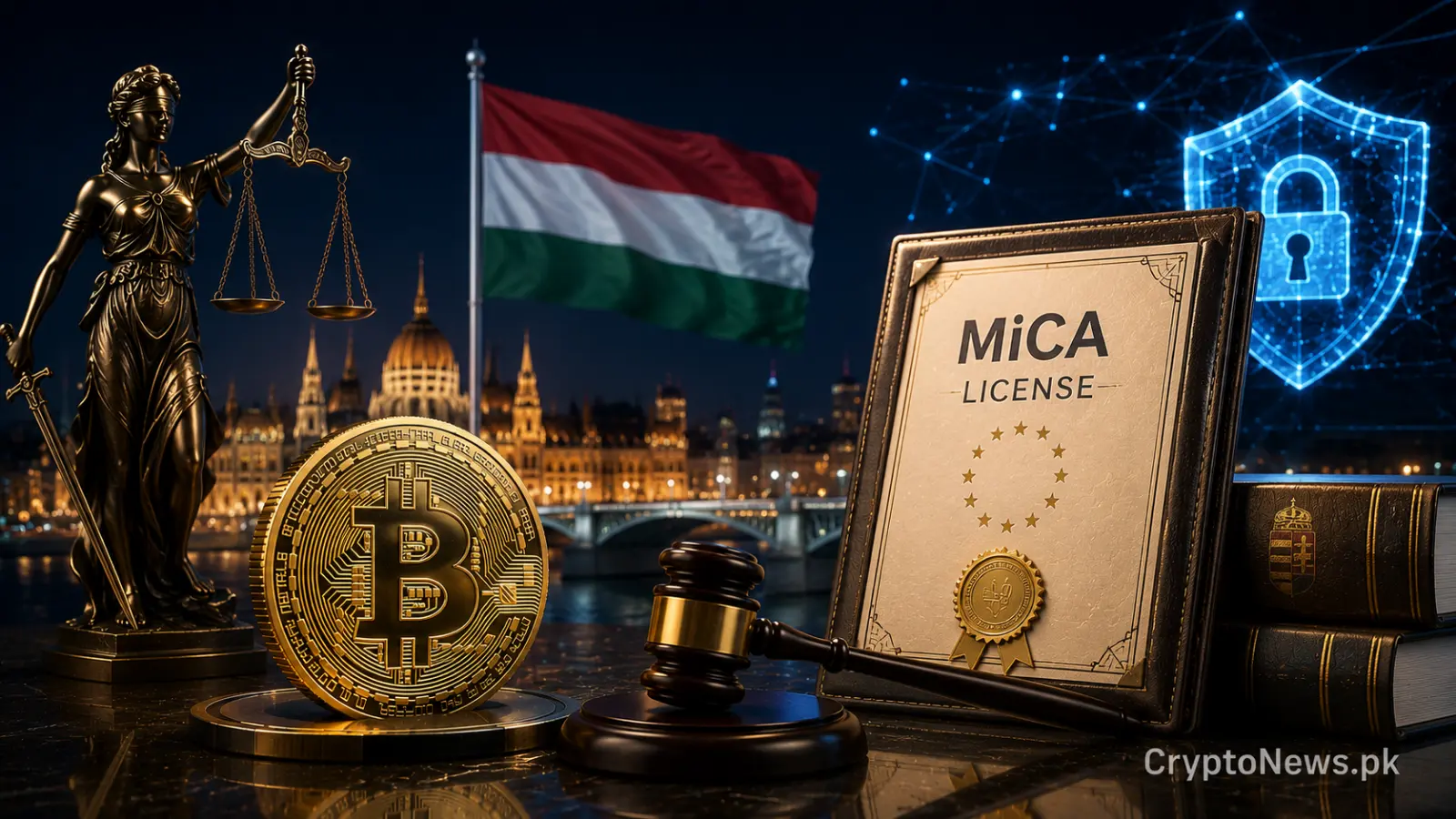
Regulatory Shifts in the European Market
Hungary has officially updated its approach to digital asset oversight by repealing mandatory third-party verification requirements for cryptocurrency conversions. According to Cointelegraph, this legislative adjustment simplifies the operational environment for local digital asset service providers. By removing these specific bureaucratic hurdles, the Hungarian government aims to foster a more efficient ecosystem for crypto-to-fiat and crypto-to-crypto exchanges.
The Arrival of MiCA Compliance
This regulatory update coincides with a major milestone for the Hungarian crypto sector as CoinCash became the first firm to receive an authorization under the Markets in Crypto-Assets (MiCA) regulation. MiCA serves as the comprehensive legal framework for the European Union, designed to harmonize rules across member states and provide greater investor protection. CoinCash is now positioned to offer services that align with these unified European standards, signaling a shift toward institutional-grade compliance in the region.
Contextualizing European Crypto Standards
The implementation of MiCA is widely viewed as a turning point for the digital asset industry in Europe. By establishing clear guidelines regarding transparency, disclosure, and authorization, regulators hope to mitigate risks associated with market volatility and illicit activities. While Hungary has chosen to ease certain domestic verification burdens, the broader MiCA framework ensures that licensed entities like CoinCash maintain rigorous security and operational protocols to protect their user base.
Impact on Pakistani Crypto Holders
For Pakistani crypto enthusiasts and investors, these developments in Hungary highlight the growing trend of global regulatory maturation. While Pakistan currently maintains a complex relationship with digital assets, often characterized by strict oversight and limited banking integration, European progress offers a potential blueprint for future policy discussions. Pakistani holders should note that as international markets adopt standardized frameworks like MiCA, the ease of cross-border digital transactions may improve, though local investors remain subject to the existing guidelines set by the State Bank of Pakistan and the Federal Board of Revenue. Currently, there is no direct impact on Pakistani exchanges, but the global shift toward institutional compliance serves as a reminder to prioritize security and regulatory awareness when interacting with international platforms.
Looking Ahead
The dual news of eased domestic checks and the adoption of EU-wide standards suggests that Hungary is positioning itself to be a competitive hub for blockchain technology. As more nations adopt similar frameworks, the global crypto market may see increased stability and broader acceptance. Stakeholders will be watching closely to see if other jurisdictions follow Hungary's lead in balancing innovation with necessary consumer protections.
As global markets move toward standardized regulation, Pakistani investors should stay informed on how international compliance trends might influence the future of digital asset policy within the country.