














A New Financial Benchmark
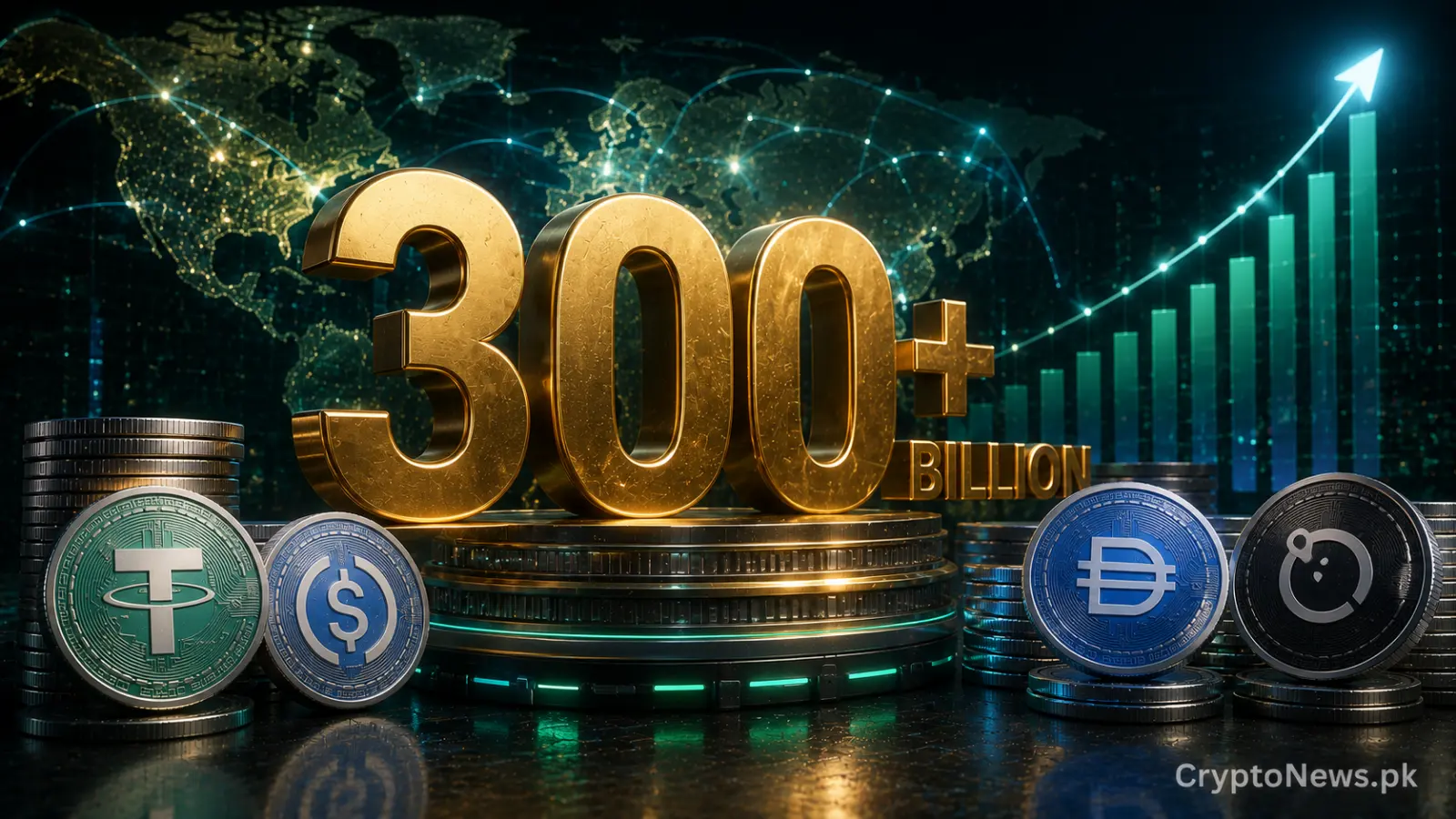
The global stablecoin market has officially surpassed a $300 billion valuation, marking a significant milestone for the digital asset industry. According to data reported by The Block, these assets have evolved from niche tools designed to facilitate cryptocurrency trading into a recognized medium of exchange. This growth highlights a broader trend where stablecoins are increasingly viewed as a more efficient, flexible, and transparent alternative to traditional financial settlement systems.
Evolution of Utility
While stablecoins were initially created to provide a bridge between volatile crypto assets and fiat currencies, their utility has expanded significantly. Industry analysts suggest that the current surge in market capitalization is driven by institutional adoption and the integration of these assets into global payment rails. By providing a stable value pegged to fiat currencies, these tokens have become the preferred choice for cross-border transactions and liquidity management in the digital economy.
Transparency and Market Dynamics
As the market cap reaches these record levels, the focus of regulators and industry participants has shifted toward transparency and reserve management. The ability of stablecoin issuers to maintain one-to-one parity with underlying assets remains a critical factor in sustaining investor confidence. Market observers note that the increased scrutiny has led to more robust reporting standards, which in turn has bolstered the credibility of the sector among traditional financial institutions.
Impact on Pakistani Holders
For Pakistani crypto enthusiasts, the rise of the $300 billion stablecoin economy carries practical implications. Stablecoins such as USDT remain the primary vehicle for Pakistani users to hedge against the volatility of the PKR and to navigate local exchange restrictions. While the Federal Board of Revenue (FBR) and the Pakistan Virtual Asset Regulatory Authority (PVARA) continue to refine the regulatory framework for digital assets, stablecoins serve as a vital tool for remittances and preserving purchasing power.
Navigating the Regulatory Landscape
Despite their utility, Pakistani users must remain aware of the evolving legal environment. The absence of a fully formalized regulatory framework means that users should prioritize security and compliance when interacting with stablecoin platforms. As global standards for stablecoin issuance and reserves continue to tighten, local investors should expect increased requirements regarding identity verification and transaction reporting within the Pakistani jurisdiction.
Pakistani investors should monitor global stablecoin developments closely, as shifts in international liquidity and regulatory standards directly influence the accessibility and stability of the digital assets used for local financial transactions.