Market Volatility and Energy Costs
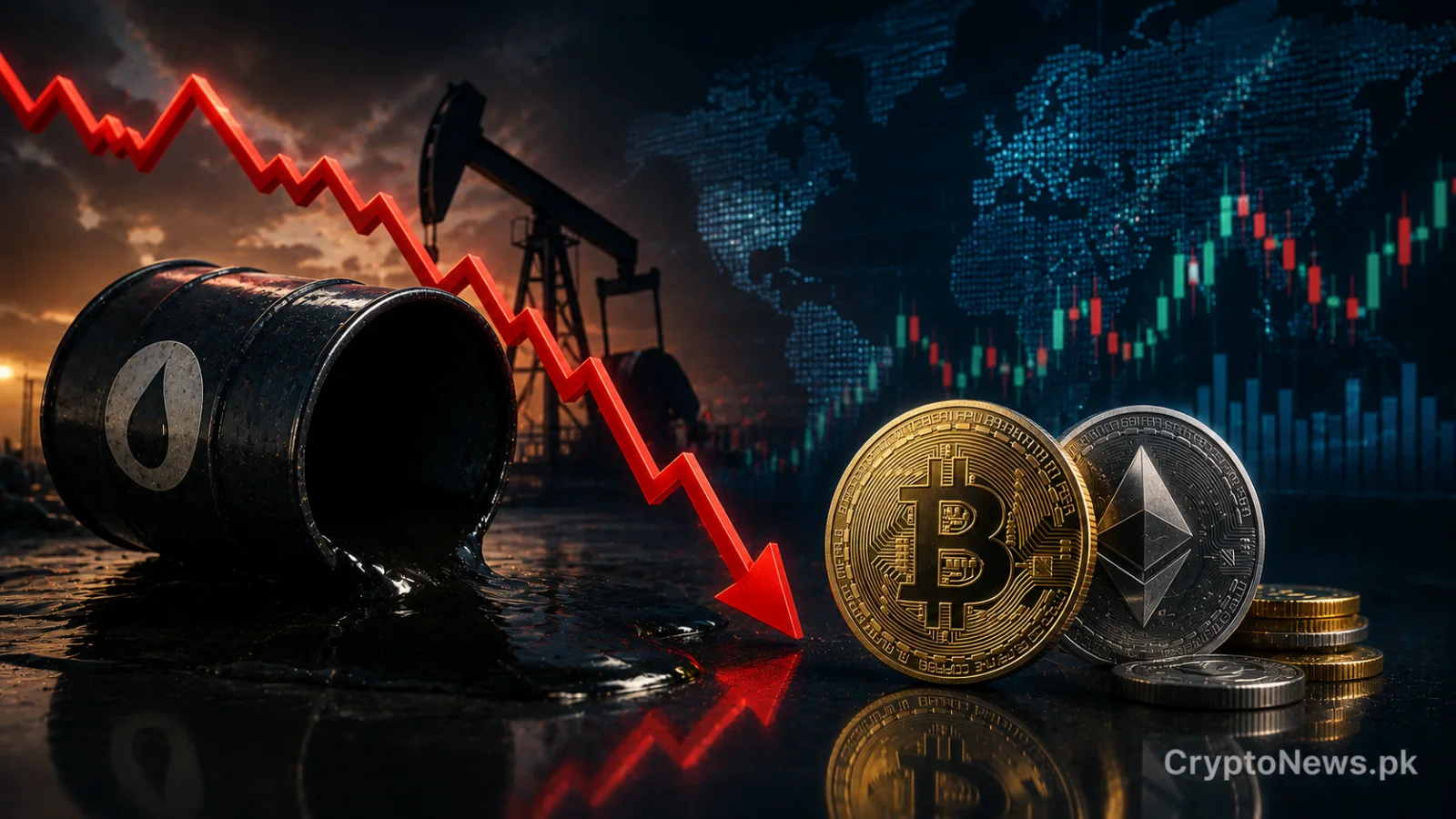
Global oil prices have recently experienced a notable decline, a shift that is sending tremors through traditional financial markets. According to Reuters, this drop in energy costs is significantly impacting bond markets and the cash flow structures of major technology firms. While oil is primarily an energy commodity, its price movements often serve as a bellwether for broader macroeconomic health and inflationary expectations.
Impact on Technology and AI Firms
Many artificial intelligence and technology companies rely on stable capital flows to fund their research and development cycles. When oil prices fluctuate, the cost of operations and the availability of credit can shift rapidly. Reuters reports that these firms are currently navigating a landscape where reduced energy costs might lower overhead, but broader economic uncertainty could tighten the availability of venture capital and institutional funding.
The Connection to Digital Assets
Cryptocurrency markets often exhibit a correlation with broader risk assets, such as tech stocks and high-growth equities. When traditional markets react to energy price shocks, digital asset volatility frequently increases. Investors often observe how these macroeconomic shifts influence the risk appetite of institutional players, which in turn dictates the flow of capital into and out of the crypto ecosystem.
The Pakistan Perspective
For Pakistani investors, the decline in global oil prices is a double-edged sword. As Pakistan is a net importer of energy, lower oil prices can theoretically improve the country's trade balance and reduce pressure on the Pakistani Rupee (PKR). However, the indirect impact on crypto holders remains nuanced. While a more stable PKR could potentially lower the cost of purchasing stablecoins or digital assets on local exchanges, the global market instability often leads to increased scrutiny from regulatory bodies like the FBR regarding foreign exchange outflows and digital asset reporting. Pakistani holders should remain vigilant about how global energy trends influence local inflation and the subsequent regulatory environment for digital assets.
Navigating Macroeconomic Uncertainty
Investors are encouraged to monitor how these energy trends translate into long-term interest rate policies set by global central banks. As bond yields adjust to the new pricing environment, the opportunity cost of holding riskier assets like Bitcoin or altcoins may change. Staying informed on these macroeconomic indicators is essential for understanding the broader context in which digital assets operate today.
For the Pakistani reader, lower global oil prices may provide temporary relief for the PKR, but it is essential to monitor how these fluctuations influence local inflation and the regulatory stance on digital asset transactions.