Global Energy Markets and Geopolitical Risk
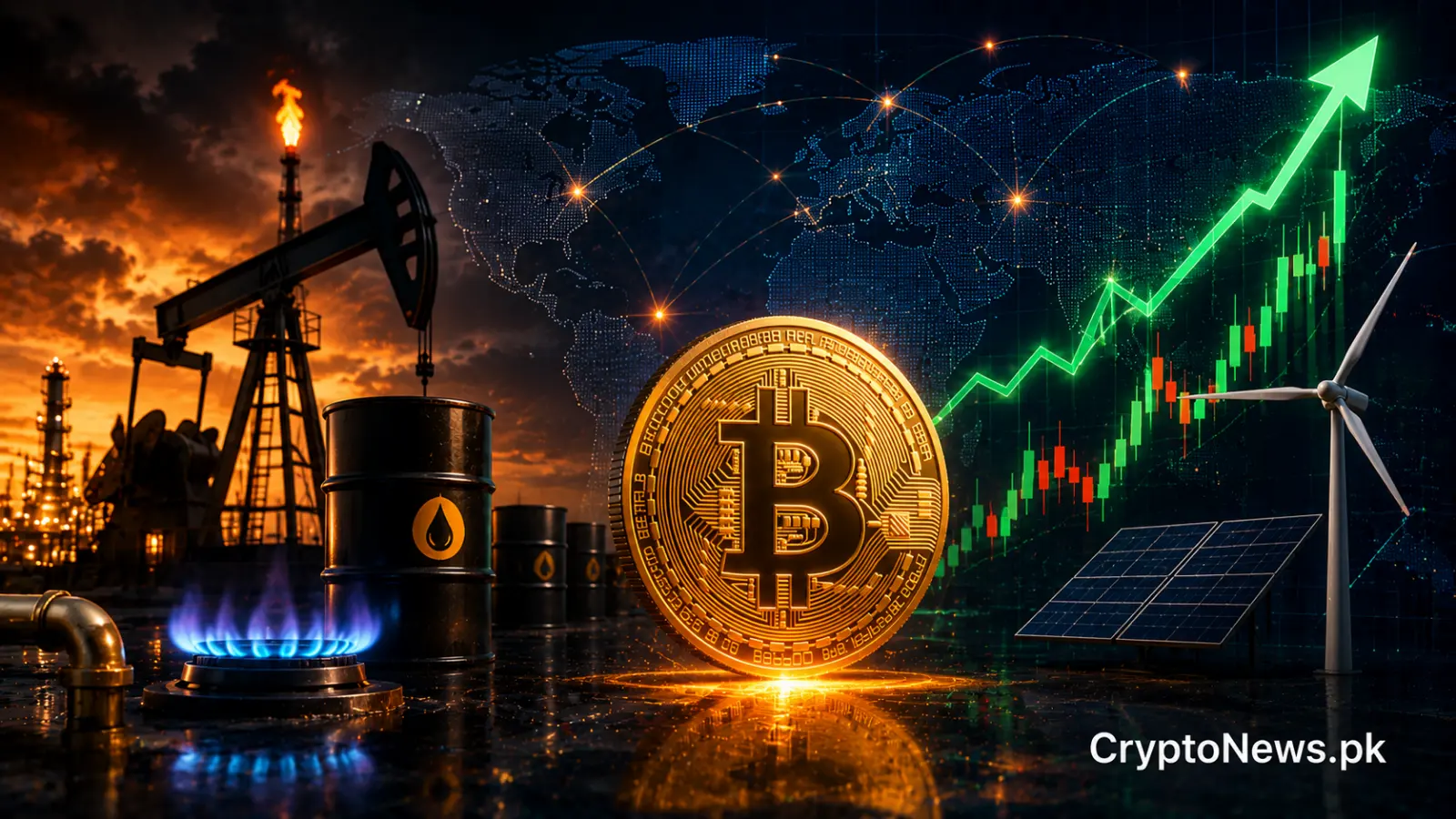
Crude oil prices have experienced a notable uptick this week, with West Texas Intermediate approaching the $78 mark and Brent crude surpassing $83 per barrel. According to Reuters, these price movements are largely driven by escalating geopolitical risks surrounding the Strait of Hormuz, a critical maritime chokepoint for global oil supplies. Market analysts are closely watching these developments as energy costs remain a primary driver of global inflationary pressures.
The Macroeconomic Link to Digital Assets
While cryptocurrencies are often viewed as decentralized assets, they do not exist in a vacuum. Historically, significant spikes in energy prices tend to influence investor sentiment toward risk assets, including Bitcoin and Ethereum. When energy costs rise, central banks often face renewed pressure to maintain restrictive monetary policies to combat inflation, which can subsequently impact the liquidity available for speculative investments.
Understanding the Volatility Connection
Market observers note that energy price volatility often mirrors broader instability in global markets. When traditional commodities become unpredictable, investors frequently reassess their portfolios, moving between safe havens and high-growth assets. While crypto has shown periods of decoupling from traditional markets, the current sensitivity to macroeconomic data suggests that energy-driven inflation remains a key variable for institutional and retail traders alike.
The Pakistan Perspective
For Pakistani crypto holders, the rise in global oil prices carries a direct and significant impact on the local economy. As a net importer of energy, Pakistan faces increased pressure on its foreign exchange reserves when global oil prices climb. This often leads to further depreciation of the Pakistani Rupee against the US Dollar, which directly affects the cost of purchasing crypto assets on international exchanges. Local investors should remain aware that fluctuations in the PKR value often necessitate a higher capital outlay to maintain the same position in digital assets. Furthermore, regulatory bodies like the FBR continue to monitor the digital asset space, and users are encouraged to maintain compliance with existing tax guidelines regarding foreign remittances and asset holdings.
Navigating Future Uncertainty
As global energy markets remain sensitive to supply chain disruptions and regional conflicts, the ripple effects on the crypto ecosystem are likely to persist. Investors are advised to focus on long-term fundamentals rather than reacting to short-term price swings driven by commodity market news. Understanding the intersection of energy policy and digital finance is becoming an essential skill for modern market participants.
Pakistani investors should monitor the PKR exchange rate closely, as rising global oil costs directly increase the cost of acquiring digital assets through local and international platforms.