The Regulatory Landscape Shift
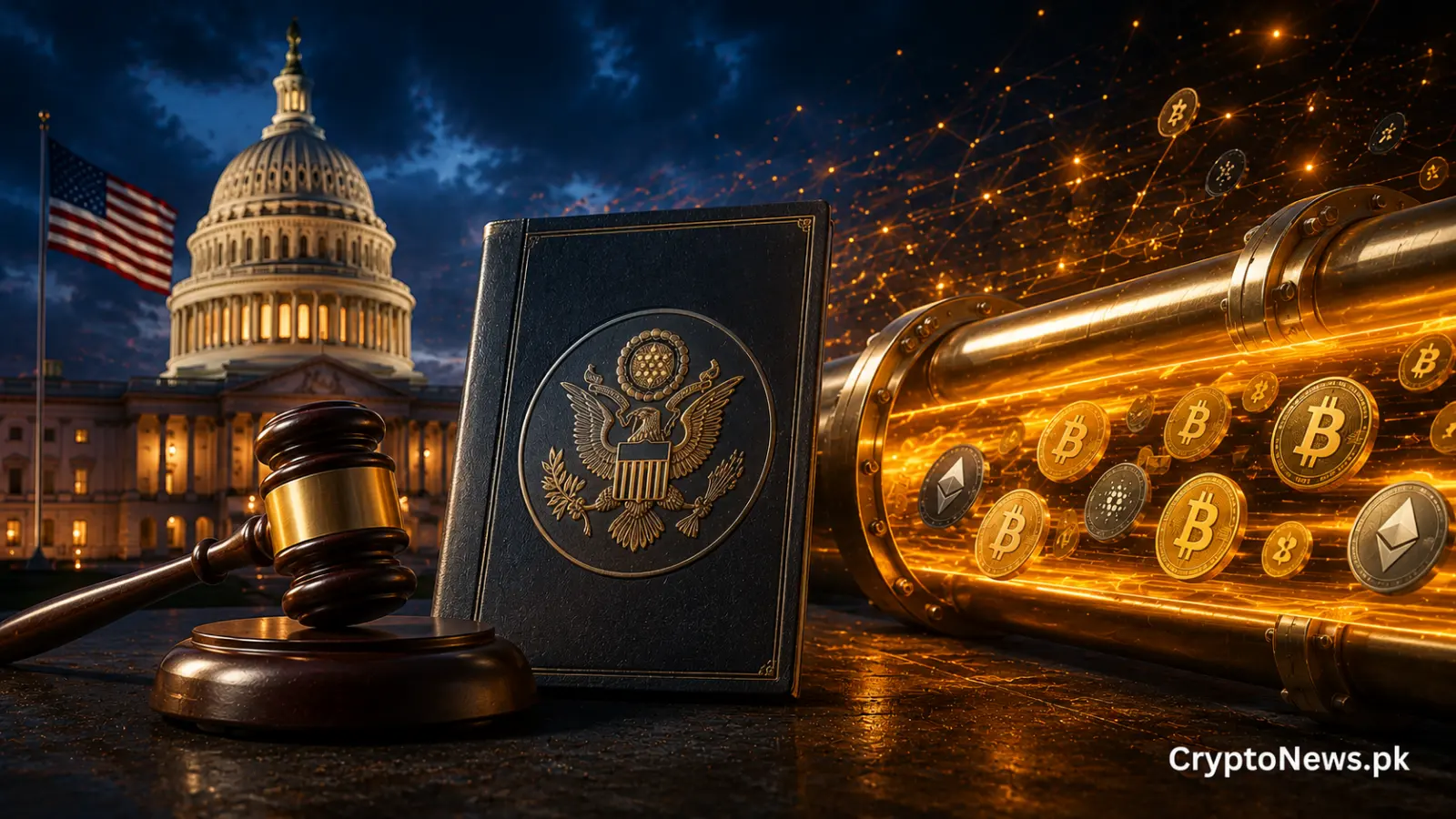
Global regulatory bodies are intensifying their focus on the cryptocurrency sector, aiming to integrate digital assets into broader financial oversight frameworks. According to reports from PYMNTS, this push for comprehensive regulation is significantly raising the stakes for competition between emerging crypto platforms and traditional US banking institutions. As authorities demand higher standards for transparency and compliance, the barrier to entry for digital asset providers is rising.
Impact on Banking Competition
Traditional banks have long held a dominant position in the financial services sector due to their established regulatory compliance and consumer trust. However, the rise of decentralized finance has challenged this model by offering faster, more accessible alternatives for cross-border payments and asset management. As noted by industry analysts, the current regulatory push is effectively forcing crypto firms to adopt banking-like structures, which may narrow the service gap between the two sectors.
Navigating Compliance Hurdles
For crypto companies, the path forward involves navigating a complex web of international laws designed to prevent money laundering and ensure financial stability. Many platforms are now investing heavily in legal infrastructure to meet these new expectations. This shift suggests that the future of finance may involve a convergence where traditional banks incorporate blockchain technology while crypto firms adopt traditional governance standards.
The Pakistan Context
For Pakistani crypto holders, these global regulatory shifts are highly relevant due to the country's evolving stance on digital assets. While the State Bank of Pakistan and the Federal Board of Revenue continue to monitor the space, the global trend toward stricter compliance suggests that local users may eventually face more rigorous identity verification processes on international exchanges. Pakistani investors should remain aware that as global platforms align with international standards, the availability of certain services may change to comply with local and global anti-money laundering requirements. Currently, the lack of a clear legal framework in Pakistan means that users should prioritize security and remain informed about how global shifts influence the accessibility of their preferred trading platforms.
Looking Ahead
The ongoing tension between innovation and regulation remains a defining characteristic of the digital asset market. Whether this regulatory pressure will stifle competition or foster a more stable environment for institutional adoption remains a subject of intense debate among financial experts. As these policies solidify, the market will likely see a clearer distinction between compliant platforms and those that operate outside the established legal boundaries.
Pakistani crypto users should prioritize platforms that emphasize transparency and security as global regulatory standards continue to tighten.