The Scale of the Security Breach
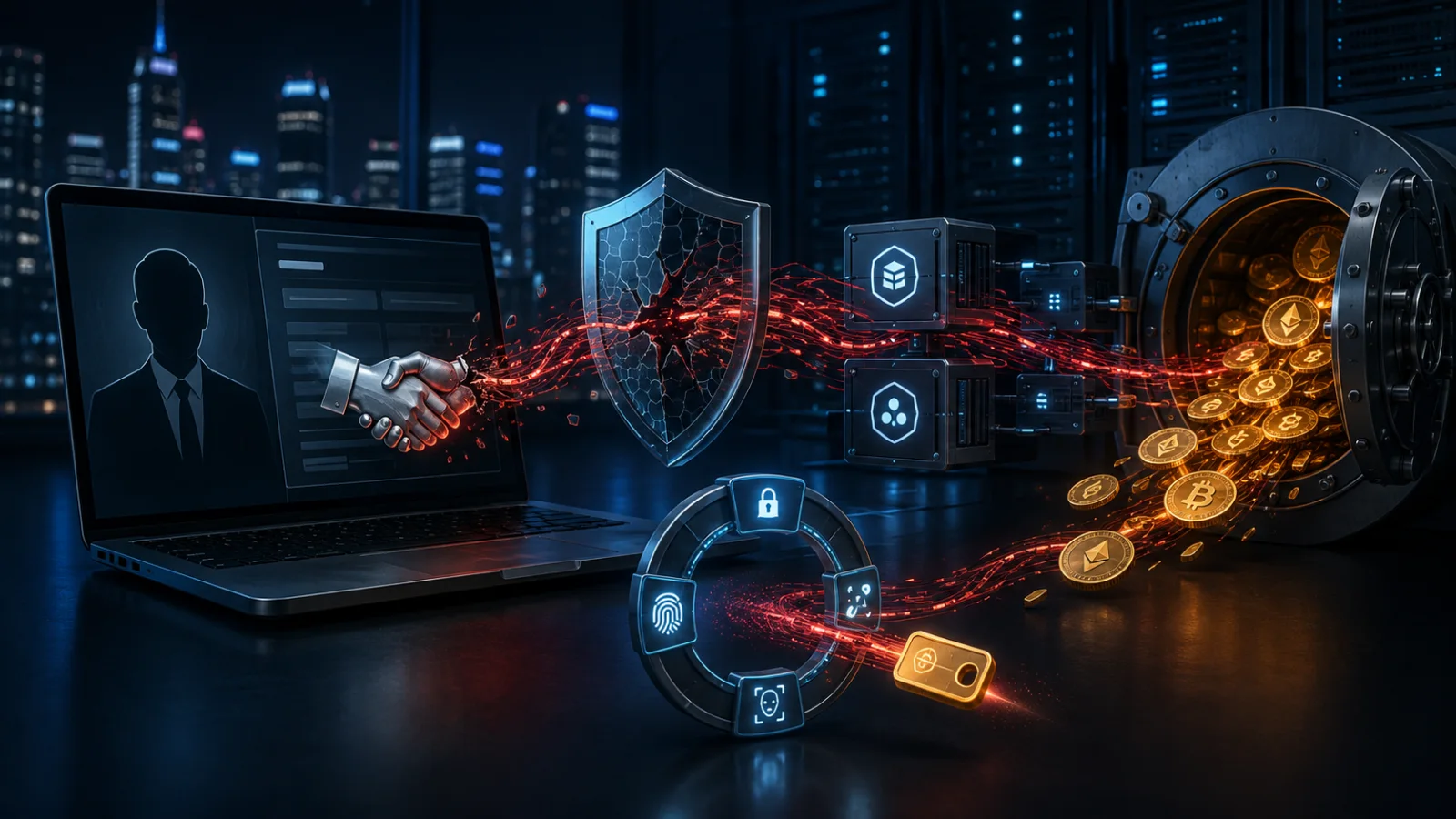
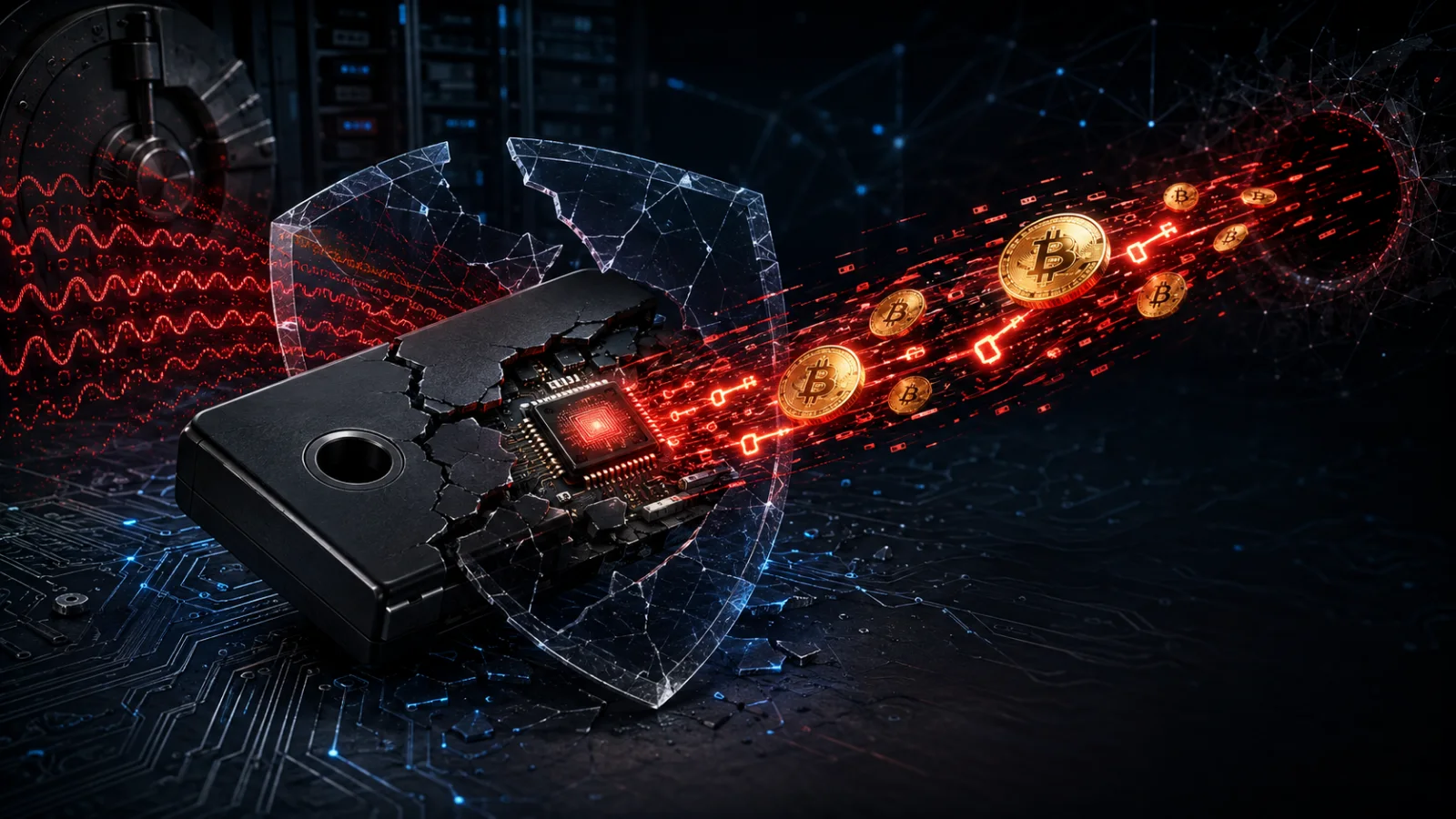
Galaxy Research recently published findings indicating that the total financial impact of ongoing Bitcoin wallet thefts could climb as high as $150 million. While the frequency of these incidents has notably slowed in recent weeks, the researchers suggest that the decline is not necessarily due to improved security protocols across the board. Instead, it is likely that the most vulnerable users have already migrated their assets or have unfortunately seen their wallets emptied by malicious actors.
Understanding the Vulnerability
According to the report, the security incidents highlight the persistent risks associated with self-custody even when using hardware devices. Galaxy Research noted that the lull in new theft reports suggests that the pool of accessible, vulnerable funds has effectively been drained. This phase of the security cycle serves as a reminder that hardware wallets require consistent updates and rigorous adherence to security best practices to remain effective against evolving threats.
Broader Market Implications
The report underscores a broader trend in the digital asset space where security remains the primary barrier to mass adoption. As institutional and retail interest in Bitcoin grows, the sophistication of attack vectors has also increased. Analysts at Galaxy Research emphasize that while hardware wallets remain the gold standard for long term storage, they are not immune to sophisticated social engineering or firmware-related vulnerabilities if not managed with extreme caution.
Impact on Pakistani Crypto Holders
For Pakistani investors, these findings serve as a critical warning regarding the importance of hardware security. Many local users rely on peer to peer exchanges and cold storage to manage their portfolios due to the lack of regulated local custodial services. Given the current regulatory environment under the FBR and the State Bank of Pakistan, recovering lost assets through legal channels is virtually impossible for local residents. Pakistani holders should prioritize purchasing hardware wallets directly from official manufacturers rather than third party resellers to avoid supply chain tampering. Furthermore, users should ensure they are not using compromised seed phrases or outdated firmware versions, as the lack of local insurance for digital assets makes any loss permanent and irreversible.
Moving Forward with Caution
As the industry matures, the focus on security must shift from simple storage to comprehensive risk management. Investors are encouraged to audit their security setups regularly and stay informed about firmware updates from official channels. Relying on multiple layers of security, such as multisig configurations, may provide additional protection against the types of vulnerabilities identified in the recent Galaxy Research report.