Strategic Asset Allocation Trends
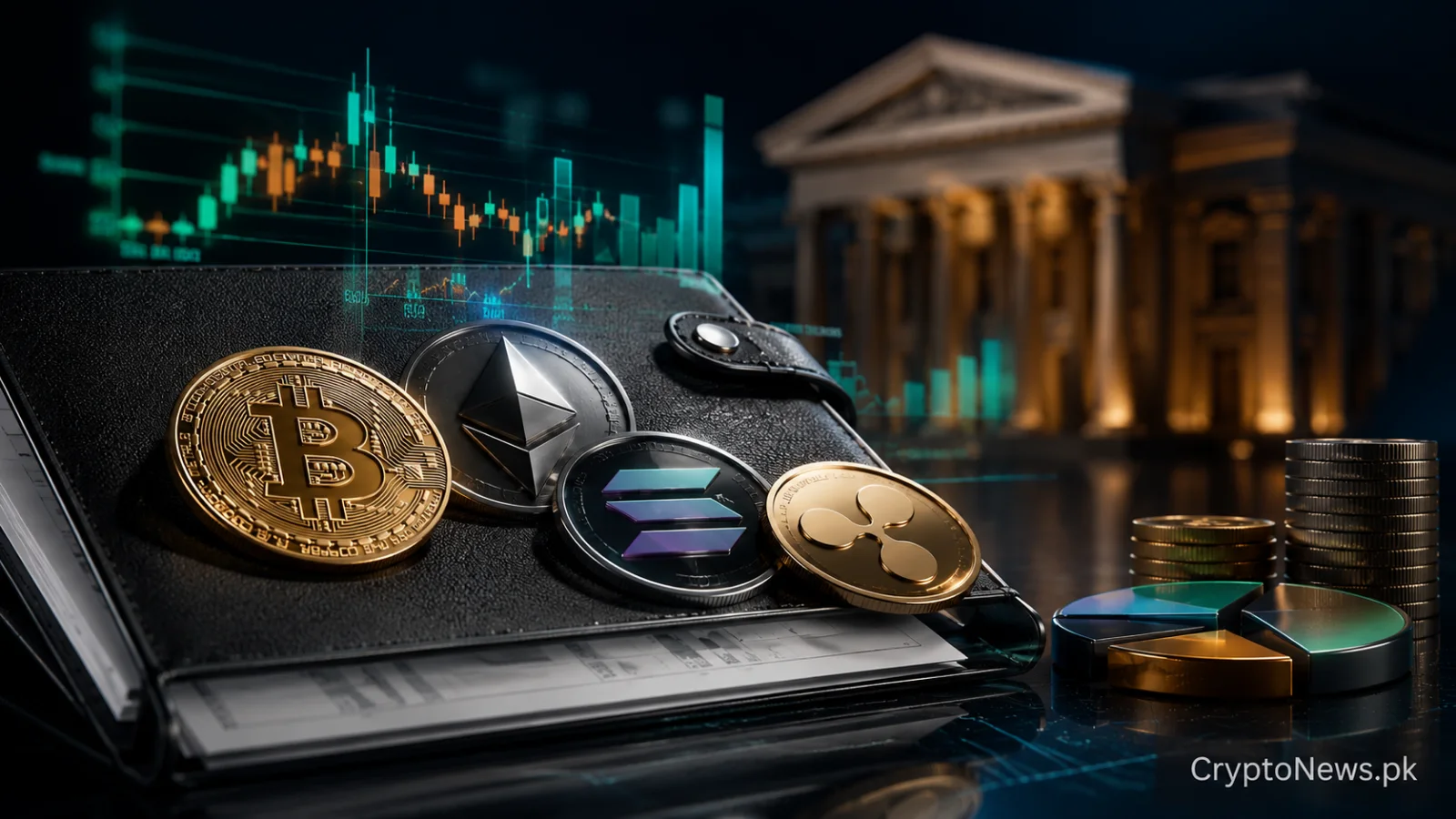
Recent market discussions have highlighted a shift in how digital asset reserves are being structured by prominent figures and institutional entities. According to reports from TronWeekly, there is a growing trend toward a portfolio composition that prioritizes established assets, specifically allocating 50 percent to Bitcoin and 20 percent to Ethereum. This approach reflects a broader strategy aimed at balancing market volatility with the long-term potential of the two largest cryptocurrencies by market capitalization.
The Role of Core Assets
Bitcoin continues to be viewed by many market participants as a digital store of value, often serving as the primary anchor for crypto-centric portfolios. Ethereum, meanwhile, is frequently included for its utility within the decentralized finance ecosystem and its role as a foundation for smart contract development. By maintaining a significant portion of reserves in these two assets, managers aim to mitigate the risks associated with smaller, more speculative altcoins that often experience higher price fluctuations.
Market Sentiment and Risk Management
While these allocation models are often discussed in the context of bullish sentiment, they also serve as a form of risk management. Diversification within the crypto space is becoming increasingly important as the regulatory and technological landscapes evolve. Analysts suggest that by focusing on assets with higher liquidity and established track records, investors can better navigate the inherent unpredictability of the digital asset sector.
Implications for Pakistani Crypto Holders
For investors in Pakistan, these global asset allocation trends offer a framework for evaluating personal portfolios. While the local market remains constrained by regulatory uncertainties and the absence of a formal framework under the PVARA or FBR, Pakistani holders often rely on international exchanges to manage their digital assets. When considering such strategies, it is essential to account for the volatility of the PKR and the potential impact of local banking restrictions on crypto-related remittances. Local users should remain cautious, as the lack of a clear legal status for digital assets in Pakistan means that institutional-grade risk management tools are not readily available to the average retail participant.
Looking Ahead
As the global crypto market matures, the strategies employed by major players will likely continue to influence retail behavior. Whether these specific percentage splits become a standard benchmark remains to be seen, but the focus on core assets is a clear signal of a maturing market. Investors should prioritize research and understand their own risk tolerance before mirroring any specific asset allocation model.
Pakistani investors should focus on long-term asset security and regulatory compliance while navigating the evolving digital finance landscape.